 ✨ AI Generated
Hozugawa River Boat Ride
Japanese: 保津川下り
Kameoka, Kyoto
This information was written by AI and may contain mistakes. Please check official sources for opening hours, fees, and other details before you go.
Found a mistake? Let us know with “✏️ Something's wrong” on this spot's screen in asobot →
🎧 Audio guide(1:14)
In short
A boat ride down approximately 16 kilometers of mountain stream from Kameoka in Tamba to Arashiyama, a scenic spot in Kyoto, in a boat steered by boatmen. The journey takes about 100 minutes to 2 hours, varying depending on the river's water level. In 1606 (Keicho 11), Suminokura Ryoi, a wealthy Kyoto merchant, undertook excavation work to clear the canyon, and from around 1895 (Meiji 28), river descents began operating as pleasure boats carrying tourists.
- Boatmen's Technique: The boat is usually maneuvered by three boatmen using a pole, a rudder, and oars to slip between the rocks. Depending on the wind and water volume, it may be operated by four or five boatmen
- Giant and Unique Rocks: Rocks named after their shapes appear one after another, such as Eboshi Rock, Lion Rock, and Kajika Rock. On the rocks remain hollows made by boatmen prodding them with poles, as well as marks left from pulling boats back upstream with ropes
- The Canyon in Four Seasons: The gorge's appearance changes with each season, from spring cherry blossoms and azaleas blooming on rocks to autumn foliage and the snowy canyon. Since there is no heating on winter boats from mid-December to early March, please dress warmly
History and Highlights
The Hozugawa River Boat Ride is a river cruise down approximately 16 kilometers of mountain stream from Kameoka in Tamba to Arashiyama, a scenic spot in Kyoto, in a boat steered by boatmen. The journey takes about 100 minutes to 2 hours, varying depending on the water level of the river. Passengers board the boat at the boarding site in Hozu-cho, Kameoka City, pass through the mountainous Hozukyo Gorge, and arrive in Arashiyama.
Water transport on the Hozu River has a long history, dating back to when the capital was located in Nagaoka-kyo, when lumber from Tamba was transported to Kyoto by raft. In 1606 (Keicho 11), Suminokura Ryoi, a wealthy Kyoto merchant, undertook excavation work to clear the canyon's rapid currents strewn with gigantic boulders, which enabled goods such as rice, barley, firewood, and charcoal to be transported by boat. Following the opening of the railway in 1899 (Meiji 32) and the spread of truck transportation after World War II, rafts and cargo boats gradually disappeared. Meanwhile, around 1895 (Meiji 28), river descents began operating as pleasure boats carrying tourists.
In 1907 (Meiji 40), Natsume Soseki depicted the scenery of this boat ride and the boatmen handling their poles in his novel Gubijinso (The Field Poppy). In 1922 (Taisho 11), when the Crown Prince of the United Kingdom visited Japan as a state guest, he traveled down the river and praised the gorge's scenery and thrill.
Viewing and Experience Points
- Boatmen's Technique: The boat is usually maneuvered by three boatmen using a pole, a rudder, and oars to slip between the rocks. Depending on the wind and water volume, it may be operated by four or five boatmen.
- Giant and Unique Rocks: Rocks named after their shapes appear one after another, such as Eboshi Rock, Lion Rock, and Kajika Rock. On the rocks remain hollows made by boatmen prodding them with poles over many years, as well as marks left from pulling boats back upstream with ropes.
- The Canyon in Four Seasons: The gorge's appearance changes with each season, from spring cherry blossoms and azaleas blooming on rocks to autumn foliage and winter snow. As you near the end point in Arashiyama, on the mountainside to your right you can see Daihikaku Senko-ji Temple, which was built by Ryoi to pray for the victims of the river excavation work.
Tips for Visitors
The boarding site is located within walking distance from JR Kameoka Station. Many people combine this ride with the Sagano Scenic Railway romantic train, but because Torokko Kameoka Station is about a 5-minute drive from the boarding site, it is best to decide on your transfer method in advance. On rainy days, boats operate with covers stretched over them, but operations are suspended during high water levels or severe weather. Water can splash in, so those who do not wish to get wet may want to bring a raincoat. All passengers are required to wear life jackets. Since there is no heating on winter boats from mid-December to early March, please dress warmly. From the disembarkation point in Arashiyama to JR Saga-Arashiyama Station, it is about a 15- to 20-minute walk.


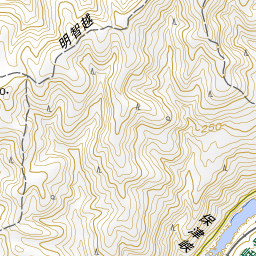


Spot location © OpenStreetMap contributors (ODbL)
Open in Google MapsGuides that include this spot (1)
Use asobot while you walk
- See where you are on the map and find spots nearby
- Listen to the guide's audio in course order, one after another (with subtitles)
- Walk to the next spot while following the map
Open on your phone
Scan to open this spot in asobot on your phone.