 ✨ AI Generated
Nishiki Market
Japanese: 錦市場
Nakagyo Ward, Kyoto
This information was written by AI and may contain mistakes. Please check official sources for opening hours, fees, and other details before you go.
Found a mistake? Let us know with “✏️ Something's wrong” on this spot's screen in asobot →
🎧 Audio guide(1:08)
In short
Nishiki Market is a market known as Kyoto's Kitchen, on Nishikikoji Street, one block north of Shijo Street. More than 130 shops line both sides of the street, which stretches about 390 meters east to west from Teramachi to Takakura, gathering seasonal ingredients such as Kyoto vegetables, hamo, yuba, and nama-fu.
- Nishiki-no-Mizu: The groundwater, which stays between 15 and 18 degrees Celsius all year round, is called Nishiki-no-Mizu and was suitable for preserving fish and poultry. It is said that the ori-ido, or stepped-down wells, that each shop once had served in place of refrigerators
- Hometown of Ito Jakuchu: Ito Jakuchu, a painter of the mid-Edo period, was born into a vegetable wholesaler's family in Nishiki Market. Near the western entrance stands a monument marking his birthplace, and Jakuchu's paintings can be seen in various places around the market, such as on shop shutters
- The three-color arcade: The stained glass arcade in red, yellow, and green is the symbol of Nishiki Market, and the current arcade was completed in 1993 using a pillarless construction method
History and Highlights
Nishiki Market is a marketplace located on Nishikikoji Street, one block north of Shijo Street, and is known as "Kyoto's Kitchen." Stretching approximately 390 meters from east to west between Teramachi and Takakura streets, it is lined with over 130 shops on both sides.
While there are no official records, it is believed that a market was already being held around this area during the Heian period. The reason was that this land was blessed with high-quality groundwater. Maintained at a temperature of 15 to 18 degrees Celsius throughout the year, this groundwater was called "Nishiki-no-Mizu," and the cold water was suitable for preserving fish and poultry. It is said that the ori-ido (stepped-down wells) that once existed in each shop served as substitutes for refrigerators. In 1615, it became one of the three fish wholesalers officially recognized in Kyoto by the Edo shogunate, beginning its history as a full-fledged fish market. In 1928, shops selling fruits, vegetables, and meat were also added, marking a new beginning as "Kyoto's Kitchen," dealing in all kinds of foodstuffs.
Sights and Experiences
- Seasonal Kyoto Ingredients: Seasonal ingredients gather here—such as Kyoto vegetables, freshwater fish from Lake Biwa, hamo (daggertooth pike conger), guji (tilefish), yuba (tofu skin), and nama-fu (fresh wheat gluten)—used not only in traditional ryotei and kappo restaurants, but also in Kyoto's home-style cooking known as obanzai. One of the pleasures is learning about specialized knowledge and ways to eat them from the shopkeepers.
- Birthplace of Ito Jakuchu: Ito Jakuchu, a painter of the mid-Edo period, was born into a greengrocer family in Nishiki Market. In 1771, when the townspeople of the Nishiki shops were ordered to cease operations of the green grocery market, Jakuchu, serving as a town elder (machitoshiyori), made great efforts for its survival, and the market was officially authorized in 1774. Near the western entrance stands a monument marking his birthplace, and Jakuchu's paintings can be seen throughout the market, such as on shop shutters.
- Three-Color Arcade: The stained glass arcade in red, yellow, and green is the symbol of Nishiki Market. The current arcade was completed in 1993 using a pillarless construction method. Visitors can enjoy strolling through it even on rainy days.
Visiting Tips
It is about a 3-minute walk from Shijo Station on the Subway Karasuma Line or Karasuma Station on the Hankyu Kyoto Line. Please refrain from eating while walking, and enjoy your food in front of or inside the shop where you purchased it. Toward the end of the year, it becomes so crowded with people that it is difficult to move forward. Exiting onto Shinkyogoku Street from the eastern end brings you to Nishiki Tenmangu Shrine, which faces Nishiki Market head-on.


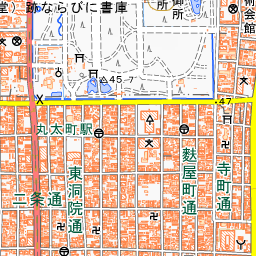


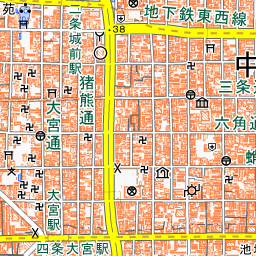

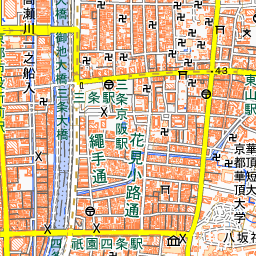


Spot location © OpenStreetMap contributors (ODbL)
Open in Google MapsGuides that include this spot (2)
Use asobot while you walk
- See where you are on the map and find spots nearby
- Listen to the guide's audio in course order, one after another (with subtitles)
- Walk to the next spot while following the map
Open on your phone
Scan to open this spot in asobot on your phone.