 ✨ AI Generated
Rokudo Chinno-ji Temple
Japanese: 六道珍皇寺
Higashiyama Ward, Kyoto
This information was written by AI and may contain mistakes. Please check official sources for opening hours, fees, and other details before you go.
Found a mistake? Let us know with “✏️ Something's wrong” on this spot's screen in asobot →
🎧 Audio guide(1:08)
In short
A temple of the Kennin-ji school of the Rinzai sect, affectionately known in Kyoto as "Rokudo-san" and recognized as a temple visited to welcome the spirits of ancestors during Obon. According to the temple's origins, it is said to have been founded during the Enryaku era (782–805) by Kyoshun Sozu, a teacher of Kobo Daishi, but there are many theories regarding its foundation. The vicinity of the temple has long been called "Rokudo no Tsuji," the boundary between this world and the afterworld.
- Ono no Takamura and the Well Leading to the Underworld: In the garden behind the main hall is a well said to have been used to travel to the underworld by Ono no Takamura, of whom a legend tells that he served the imperial court by day and worked in King Enma's underworld court by night. In the Enma-do hall, a statue of Takamura is enshrined alongside a statue of King Enma
- The Welcoming Bell That Resonates to the Underworld: The "Mukaegane" (welcoming bell) is rung every year during Obon to welcome spirits, and it has long been believed that its sound reaches the underworld across hundreds of billions of lands
- Rokudo Mairi in August: A custom, also known as "Shoryomukae," in which people visit this temple between August 7 and 10, just before Obon, to welcome ancestral spirits. Viewing the interior of the halls requires either visiting during special viewing periods or making an advance reservation (in principle, for 5 or more people)
History and Highlights
Rokudo Chinno-ji Temple is affectionately known in Kyoto as "Rokudo-san" and is recognized as a temple visited to welcome the spirits of ancestors during Obon. Its mountain name (honorific temple prefix) is Daichinzan, and it belongs to the Kennin-ji school of the Rinzai sect of Zen Buddhism. According to the temple's origins, it is said to have been founded during the Enryaku era (782–805) by Kyoshun Sozu, an abbot of Daian-ji Temple in Nara and a teacher of Kobo Daishi. However, there are many theories regarding its foundation, including theories that attribute it to Kukai, to Ono no Takamura, or to a local powerful clan in the 3rd year of Jowa (836).
Originally a Shingon sect temple, it had To-ji Temple as its main temple during the Heian and Kamakura periods. However, it fell into decline due to medieval warfare. In the 3rd year of Joji (1364), Monkei Ryoso, who was the abbot of Kennin-ji Temple, revived it and changed its sectarian affiliation.
"Rokudo" refers to the Six Realms of Buddhist cosmology: hell, hungry ghosts, animals, asuras, humans, and heavenly beings. The vicinity of the temple was on the route toward Toribeno, a burial ground to the east of Heian-kyo, and has long been called "Rokudo no Tsuji" (the Crossroads of the Six Realms), the boundary between this world and the afterworld.
Sights and Experiences
- Ono no Takamura and the Wells Leading to the Underworld: Ono no Takamura was an early Heian period bureaucrat who served Emperor Saga, and is also known as a scholar, poet, and waka poet. A mysterious legend tells that he served the imperial court by day and worked in King Enma's underworld court by night. In the garden behind the main hall is a well said to have been used by Takamura to travel to the underworld, and in recent years, the "Yomigaeri no Ido" (Well of Return from the Underworld), used to return from the netherworld, was also discovered on land formerly belonging to the temple precincts. In the Enma-do hall, a statue of Takamura is enshrined alongside a statue of King Enma.
- The Welcoming Bell That Resonates to the Underworld: This bell, called the "Mukaegane" (welcoming bell), is rung every year during Obon to welcome spirits, and it has long been believed that its sound reaches the underworld across hundreds of billions of lands. It is said that Kyoshun Sozu, the temple's founder, had it cast. Legend has it that he ordered it to be buried in the ground for three years before departing for Tang China, but a priest of the temple could not wait and dug it up to strike it, whereupon the sound even reached the Sozu in Tang China.
- Rokudo Mairi in August: In Kyoto, there is a custom called "Rokudo Mairi"—also known as "Shoryomukae"—in which people visit this temple between August 7 and 10, just before Obon, to welcome ancestral spirits.
Tips for Visiting
It is about a 5-minute walk from the "Kiyomizu-michi" city bus stop, and about 15 minutes from Kiyomizu-Gojo Station on the Keihan Railway. The temple grounds can usually be visited freely, but viewing the interior of the halls—including the principal image designated as an Important Cultural Property and the wells leading to the underworld—requires either visiting during special viewing periods or making an advance reservation (in principle, for 5 or more people). Yasui Konpiragu Shrine is about 180 meters to the north, Kennin-ji Temple is about 260 meters to the northwest, Rokuharamitsu-ji Temple is about 240 meters to the southwest, and Hokan-ji Temple is about 360 meters to the east.
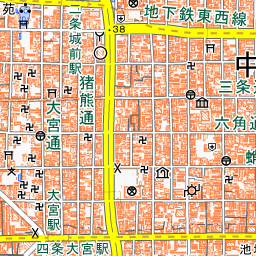

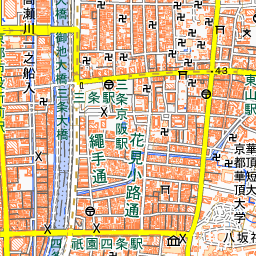


Spot location © OpenStreetMap contributors (ODbL)
Open in Google MapsGuides that include this spot (1)
Use asobot while you walk
- See where you are on the map and find spots nearby
- Listen to the guide's audio in course order, one after another (with subtitles)
- Walk to the next spot while following the map
Open on your phone
Scan to open this spot in asobot on your phone.