 ✨ AI Generated
Okonomimura
Japanese: お好み村
Naka Ward, Hiroshima
This information was written by AI and may contain mistakes. Please check official sources for opening hours, fees, and other details before you go.
Found a mistake? Let us know with “✏️ Something's wrong” on this spot's screen in asobot →
🎧 Audio guide(0:54)
In short
Okonomimura is a spot where Hiroshima-style okonomiyaki shops gather, in Shintenchi, a bustling downtown area of Hiroshima City. Its name comes from the scene of as many as 50 okonomiyaki stalls gathered in Shintenchi Square after the war. In 1992, it was transformed into the current high-rise building, where numerous shops line the 2nd through 4th floors.
- Counters surrounding the teppan: Every shop has counter seating surrounding a teppan (iron griddle), so you can watch the cooking right in front of you until it is finished
- Hiroshima style, layered as it cooks: Thin batter is layered with cabbage, noodles, and eggs as it cooks, and finished with sauce, aonori (green laver), bonito flakes, and more
- Differences between shops: Even within the Hiroshima style, cooking methods and ingredients vary from shop to shop. Strolling across each floor and choosing a place while comparing the shops is part of the fun
History and Highlights
Okonomimura is a spot where Hiroshima-style okonomiyaki shops gather, located in Shintenchi, a bustling downtown area of Hiroshima City. Today, numerous shops line the 2nd through 4th floors of a high-rise building.
The origins of Hiroshima okonomiyaki trace back to "issen yoshoku," a popular prewar snack made by mixing flour with water, grilling it, and adding ingredients like green onions and dried shrimp. It was after the war that it began to be eaten as a full meal. Through continued trial and error—such as adding cabbage, eggs, seafood, soba, and udon noodles at stalls and small eateries throughout the city, including Shintenchi Square—the modern Hiroshima-style okonomiyaki was born.
After the war, as many as 50 okonomiyaki stalls gathered in Shintenchi Square, overflowing with human warmth and the passionate energy of a town committed to postwar recovery. Seeing this scene, the writer Kida Minoru remarked, "It's just like an okonomi village (Okonomimura)," which became the origin of the name. When the square was converted into a park in 1963, the stalls vacated the area, and Okonomimura continued in a two-story building constructed in front of the park. It became a renowned spot in Hiroshima visited by school trip students and tourists, and in 1992, it was transformed into the current high-rise building.
Highlights for Viewing and Experiencing
- Counters Surrounding the Teppan: Every shop features counter seating surrounding a teppan (iron griddle). You can watch the cooking process right in front of you until it is finished.
- Hiroshima Style Layered on the Griddle: Thin batter is layered with cabbage, noodles, and eggs as it cooks, finished with sauce, aonori (green laver), and bonito flakes. Unlike the Osaka style, the flavor comes together as the layers build, unique to Hiroshima-style okonomiyaki.
- Differences Between Shops: Even within the Hiroshima style, cooking methods and ingredients vary from shop to shop. Strolling across each floor and choosing a place while comparing the shops is part of the fun.
Tips for Exploring
Since all seating consists of counters surrounding the iron griddle, it is recommended to inquire with the shop directly in advance if you are visiting in a large group. The sauce used at Okonomimura can be purchased on the manufacturer's direct-sales website, making it a great way to revisit the flavor at home after your trip.

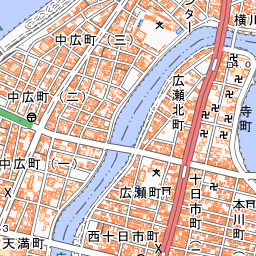
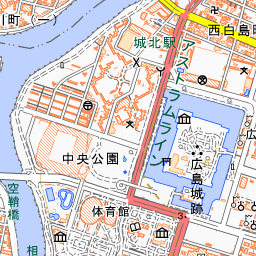
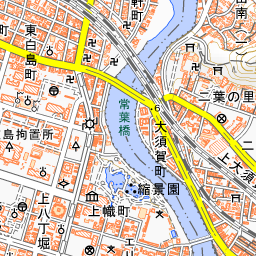
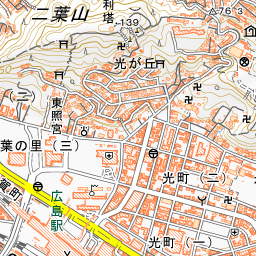
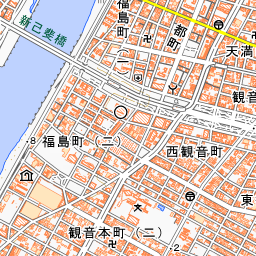
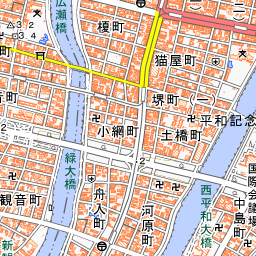
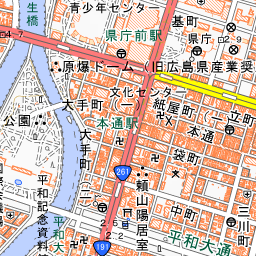
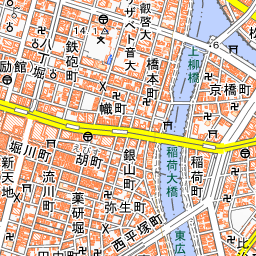
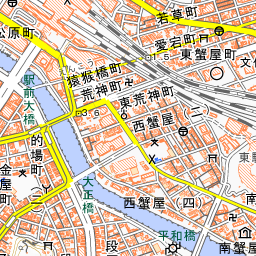
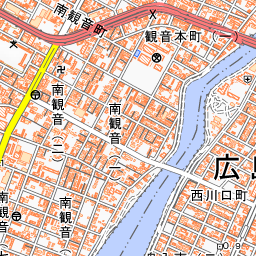
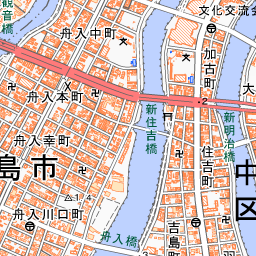
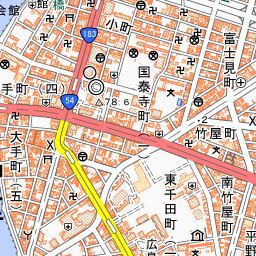
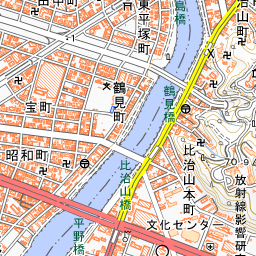

Spot location © OpenStreetMap contributors (ODbL)
Open in Google MapsGuides that include this spot (1)
Use asobot while you walk
- See where you are on the map and find spots nearby
- Listen to the guide's audio in course order, one after another (with subtitles)
- Walk to the next spot while following the map
Open on your phone
Scan to open this spot in asobot on your phone.