 ✨ AI Generated
Subway Museum
Japanese: 地下鉄博物館
Edogawa City, Tokyo
This information was written by AI and may contain mistakes. Please check official sources for opening hours, fees, and other details before you go.
Found a mistake? Let us know with “✏️ Something's wrong” on this spot's screen in asobot →
🎧 Audio guide(0:59)
In short
The Subway Museum is located under the elevated tracks of Kasai Station on the Tokyo Metro Tozai Line and is also affectionately known as "Chikahaku." Opened on July 12, 1986, as Japan's first museum dedicated exclusively to subways, it is a hands-on, participatory museum where visitors can learn about everything from the history of subways to the latest technology by "looking, touching, and operating."
- Car No. 1001: Japan's first subway train car, which served on the Ginza Line for about 40 years until April 1968. It is designated as a national Important Cultural Property.
- Train Driving Simulators: Visitors can operate actual control cabs identical to real trains and even experience the motion and swaying of a moving train.
- Metro Panorama: A large diorama showing how trains run beneath the city of Tokyo.
History and Highlights
The world's first underground railway opened in London, England, in 1863. In Japan, the subway system began on December 30, 1927, with the opening of a 2.2-kilometer section between Ueno and Asakusa in Tokyo. The Subway Museum was created with the wish to help younger generations, especially elementary and junior high school students, gain a deeper understanding of the subway. It opened on July 12, 1986, under the elevated tracks of Kasai Station on the Tozai Line as Japan's first subway-specialized museum. Operated by the Metro Cultural Foundation, this interactive facility allows visitors to explore subway history and cutting-edge technologies through hands-on experiences, earning the nickname "Chikahaku."
One of the main highlights is Car No. 1001. This vehicle ran between Ueno and Asakusa when the Tokyo Underground Railway began operating the first subway in Asia, serving on the Ginza Line for about 40 years until April 1968. Featuring an all-steel body, automatic doors, and an automatic train stop system, it is regarded as having set the model for subsequent subway cars. On September 15, 2017, it was designated as a national Important Cultural Property, marking the first such designation for a railroad electric car. In the same year, it was also certified as Mechanical Engineering Heritage No. 86 by the Japan Society of Mechanical Engineers.
The museum is organized into various themed zones, including "History of the Subway," "Building the Subway," "Protecting the Subway," "How Subway Cars Work," and "Subways of Japan and the World."
Viewing and Experience Points
- Car No. 1001 and Car No. 301: In the "History of the Subway" corner, the yellow Car No. 1001 and the red Car No. 301 from the Marunouchi Line are on display. The interior of Car No. 1001 is usually closed, but it is opened to visitors during special events.
- Driver and Conductor Experiences: With the train driving simulators, you can operate an authentic control cab and feel the realistic rocking motions during transit. Passengers can also watch the running footage from normal seats behind the cab, making it fun for families. Driving the Chiyoda Line simulator is restricted to elementary school students and older. A Ginza Line 01 series car has been converted into a conductor simulator.
- Metro Panorama and Underground Work: The Metro Panorama demonstrates how trains run underground throughout Tokyo. The "Building the Subway" section introduces tunneling construction methods using items like shield machine cutter disks. In the "Protecting the Subway" section, you can experience command operations similar to those in the Comprehensive Control Center.
Tips for Visitors
When arriving by train from the direction of Nishi-Funabashi, using the rearmost ticket gate, the "Subway Museum Exit," is convenient. When arriving from the direction of Nakano, take the Central Exit and cross Ring Road No. 7 (Kannana-dori Avenue) to reach the museum immediately. Re-entry is not permitted, so please make sure you have finished your visit before exiting. Eating meals is not allowed inside the museum, but drinks can be consumed in the rest areas. The General Recreation Park (Flower Garden) is about 1.5 kilometers to the south, and the Edogawa City Natural Zoo is about 1.6 kilometers to the northwest.
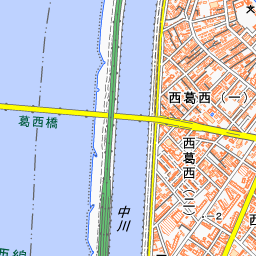
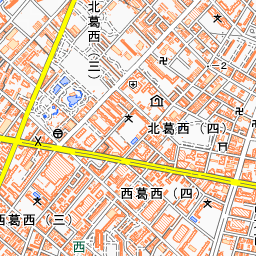
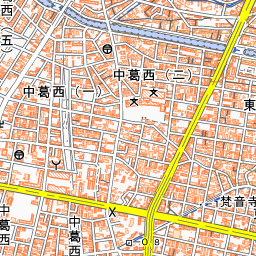
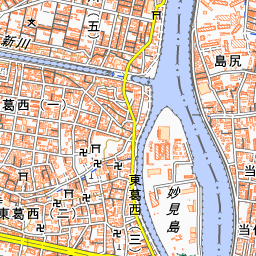

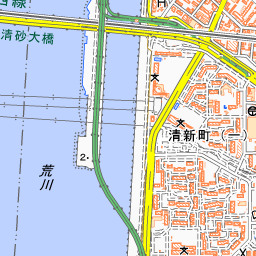
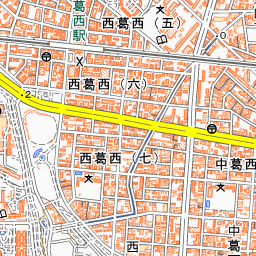
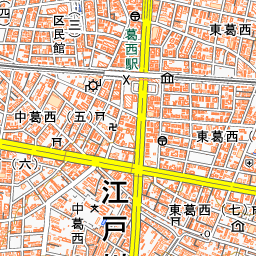
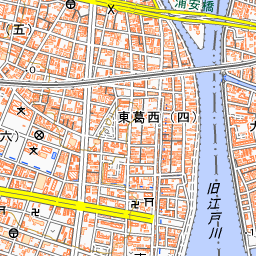
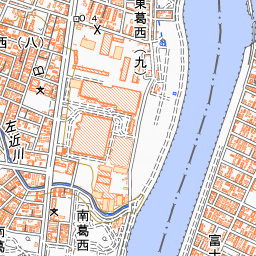
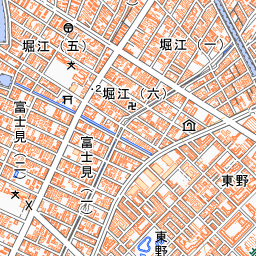
Spot location © OpenStreetMap contributors (ODbL)
Open in Google MapsUse asobot while you walk
- See where you are on the map and find spots nearby
- Listen to the guide's audio in course order, one after another (with subtitles)
- Walk to the next spot while following the map
Open on your phone
Scan to open this spot in asobot on your phone.