 ✨ AI Generated
Shoryaku-ji Temple
Japanese: 正暦寺
Nara City, Nara
This information was written by AI and may contain mistakes. Please check official sources for opening hours, fees, and other details before you go.
Found a mistake? Let us know with “✏️ Something's wrong” on this spot's screen in asobot →
🎧 Audio guide(1:06)
In short
Shoryaku-ji Temple is the head temple of the Bodaisen Shingon sect, located in the mountains southeast of Nara City. Founded in 992 by imperial decree of Emperor Ichijo, it is known as the "birthplace of Japanese refined sake." In autumn, over 3,000 maple trees turn vibrant colors, earning it the longstanding name "Nishiki no Sato" (Village of Brocade).
- Birthplace of Refined Sake: It is said that techniques forming the foundation of modern sake brewing were established at Shoryaku-ji Temple during the Muromachi period.
- Autumn Foliage of the Village of Brocade: In November, the maples throughout the temple grounds turn color one after another, weaving a tapestry of green, yellow, and red.
- Fukuju-in Temple: The first building seen upon arrival at the temple, this guest hall is an Important Cultural Property of Japan. Visitors can gaze out over a borrowed-scenery garden taking in the natural surroundings of Shoryaku-ji Temple, and refined sake made from sake starter prepared at the temple is also available.
History and Highlights
Shoryaku-ji Temple is located in the mountainous southeastern outskirts of Nara City. In 992 (the third year of the Shoryaku era), High Priest Kenshun, the son of Fujiwara no Kaneie, founded the temple under the imperial decree of Emperor Ichijo. Its mountain name is "Bodaisen," and it serves as the head temple of the Bodaisen Shingon sect.
At the time of its founding, 86 sub-temples lined both sides of the mountain stream. However, in 1180, fires from the burning of Nanto by Taira no Shigehira spread, burning down the entire complex. In 1218, High Priest Shinen of Kofuku-ji Temple revived it as an academy for the Hosso Sect, and the temple flourished once again. It declined from the Edo period onward, and today only the Fukuju-in Temple guest hall, the main hall, and the bell tower remain.
Shoryaku-ji Temple is celebrated as the "birthplace of Japanese refined sake." In Goshu no Nikki, a sake brewing record from the Muromachi period, there is a section called "Bodaisen" that details the process for making the refined sake brewed at this temple. The temple practiced "sandan-jikomi" (a three-stage brewing process), "morohaku-zukuri" (using polished white rice for both the koji and the steamed rice), and "bodaimoto-zukuri" (which served as the prototype for modern sake starter). These techniques are said to have laid the foundation for modern sake brewing.
Highlights for Viewing and Experiencing
- Sake Brewed Even in Summer: In summer, mold grew easily, making it impossible to brew sake elsewhere. However, Bodaimoto, the sake starter of Shoryaku-ji Temple, combined with the local temperature and water quality, made summer brewing possible. This "summer sake," offered when no other sake was available, gained renown and is said to have been highly prized by nobles for occasions such as moon-viewing.
- The Revived Bodaimoto: Although sake brewing at the temple had ceased, the "Bodaimoto preparation" was revived in 1998 (Heisei 10). That same year, Shoryaku-ji Temple became the first temple in Japan to receive a license to produce sake starter. Today, the starter is still prepared within the temple grounds every January.
- Fukuju-in Temple Guest Hall and Garden: The first building you see upon arriving at the temple is Fukuju-in Temple. Rebuilt in 1681 in the sukiya style, it is designated an Important Cultural Property of Japan. Here, visitors can view a statue of Kujaku Myoo (a prefectural designated cultural property), sliding screen paintings by Kano Eino, and a borrowed-scenery garden looking out over the nature of Shoryaku-ji Temple.
Tips for Exploring
Moss-covered stone walls line the mountain path along the mountain stream of the Bodaisen-gawa River, allowing visitors to walk while recalling the temple quarters that once stood there. The mountain grounds hold more than 3,000 maple trees, which turn color in succession in November, blending tree greens with vivid yellows and reds. Because of this scenery, Shoryaku-ji Temple has long been referred to as "Nishiki no Sato." The view from Fukuju-in Temple also transforms into an autumn landscape. Fukuju-in Temple also offers refined sake brewed from starter prepared at the temple. As the temple is in an area with limited public transportation, the temple recommends arriving by car or taxi under normal circumstances. By taxi, it takes about 25 minutes from JR or Kintetsu Nara Station. During the autumn foliage season, temporary buses also run from Nara Station.
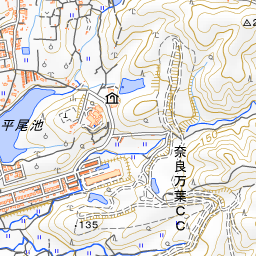
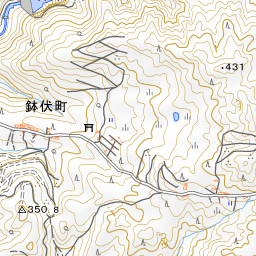
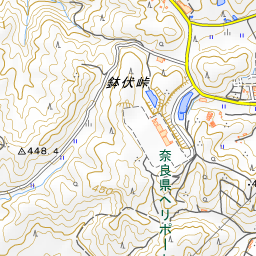
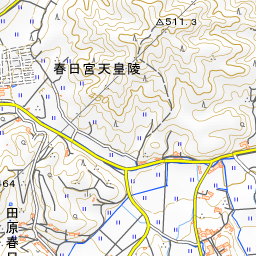
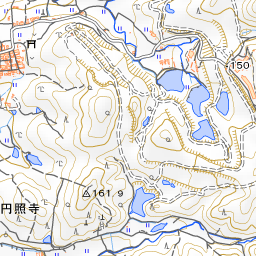
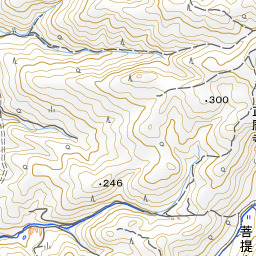
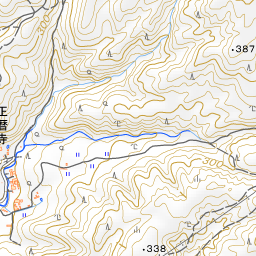
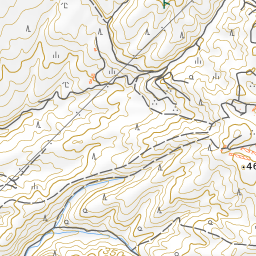
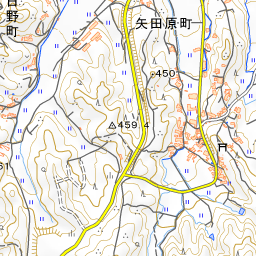
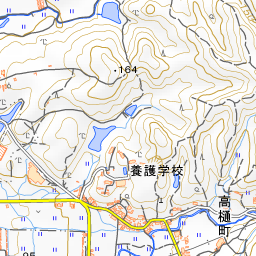
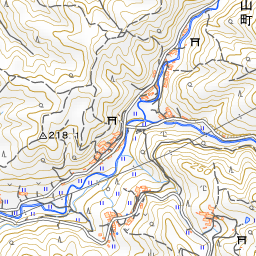
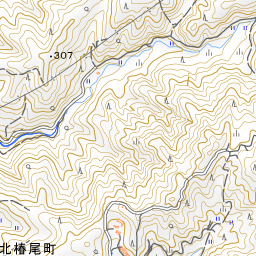
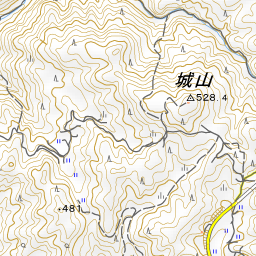
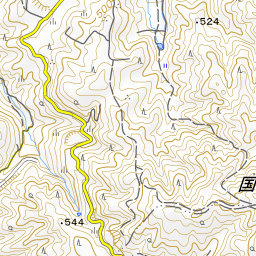
Spot location © OpenStreetMap contributors (ODbL)
Open in Google MapsUse asobot while you walk
- See where you are on the map and find spots nearby
- Listen to the guide's audio in course order, one after another (with subtitles)
- Walk to the next spot while following the map
Open on your phone
Scan to open this spot in asobot on your phone.