 ✨ AI Generated
Fushimi Jikkokubune Canal Boat
Japanese: 伏見十石舟
Fushimi Ward, Kyoto
This information was written by AI and may contain mistakes. Please check official sources for opening hours, fees, and other details before you go.
Found a mistake? Let us know with “✏️ Something's wrong” on this spot's screen in asobot →
🎧 Audio guide(1:09)
In short
A sightseeing boat that cruises along the waters of Fushimi, which once flourished as a port town. The port of Fushimi began when Toyotomi Hideyoshi developed it in 1594 to build Fushimi Castle, and it flourished as a port town connecting Kyoto, Osaka, and various regions across the country. The Jikkokubune boat and Sanjikkokubune Boat, which once carried travelers along the Yodo River, have been revived as sightseeing boats.
- Waterside Scenery of Willows and Sake Breweries: The boat departs from the boarding area behind the Gekkeikan Okura Sake Museum and glides along the Uji River Branch Channel, beautifully lined with willows. Following the Horikawa River, which served as the outer moat of Fushimi Castle, passengers can take in historic scenery that includes sake breweries and traditional inns
- Disembarkation at Misu Lock Gate: At the turnaround point, Fushimi Minato Square, visitors disembark from the boat, tour the Misu Lock Gate Museum, and return. The round trip takes approximately 50 minutes. The Misu Lock Gate is a lock gate completed in 1929
- Seasonal Colors: From around late March to early April, well over a hundred cherry trees along the river come into bloom; in summer hydrangeas, and in autumn maples and cherry trees, add color to the water's edge. During the winter, boat operations are suspended
History and Highlights
The Fushimi Jikkokubune Canal Boat is a sightseeing boat that cruises along the waters of Fushimi, which once flourished as a port town. The port of Fushimi began when Toyotomi Hideyoshi carried out large-scale flood control work in 1594 to build Fushimi Castle, and it flourished as a port town connecting Kyoto, Osaka, and various regions across the country. The port bustled with bakufu-authorized passage boats (kashobune), shared passenger boats carrying travelers, and vessels large and small loaded with cargo from around the nation.
With the arrival of the Meiji period and the development of land routes such as railways, the Port of Fushimi brought its long-standing role to an end. Later, the Jikkokubune boat and Sanjikkokubune Boat, which once carried travelers along the Yodo River, were revived as sightseeing boats, conveying the history of Fushimi to visitors.
Viewing and Experience Highlights
- Waterside Scenery of Willows and Sake Breweries: The boat departs from the boarding area behind the Gekkeikan Okura Sake Museum and glides along the waters of the Uji River Branch Channel, beautifully lined with willows. Following the Horikawa River, which served as the outer moat of Fushimi Castle, passengers can take in historic scenery that includes sake breweries and traditional inns.
- Disembarkation at Misu Lock Gate: At the turnaround point, Fushimi Minato Square, visitors disembark from the boat, tour the Misu Lock Gate Museum, and return. The round trip takes approximately 50 minutes. The Misu Lock Gate is a lock gate completed in 1929, designed to draw the Port of Fushimi inside the new embankment of the Uji River and enable boat passage to and from the Uji River. The restored former control room now serves as a museum and has been selected as a Civil Engineering Heritage by the Japan Society of Civil Engineers.
- Seasonal Colors: From late March to early April, well over a hundred cherry blossoms along the river come into bloom. In summer, hydrangeas planted together with local residents add color to the water's edge, while in autumn, the maples and cherry trees along the river turn vibrant colors.
Walking Tips
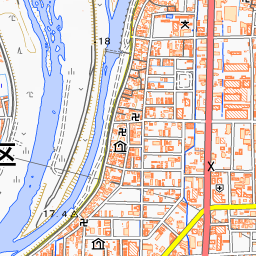
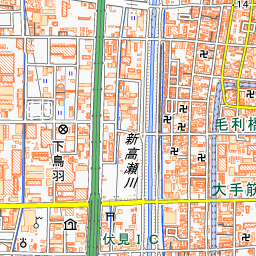
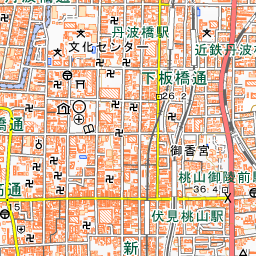
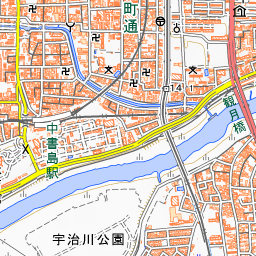
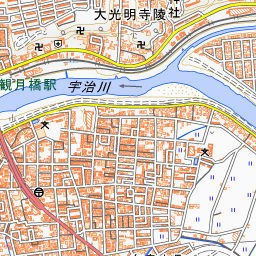
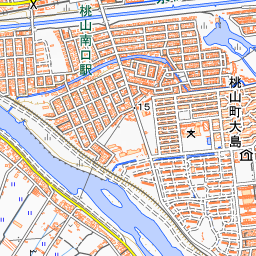
It is about a 5-minute walk northeast from Chushojima Station on the Keihan Main Line. The boat dock is located beneath Bentenbashi Bridge across the river from Choken-ji Temple. During the winter, boat operations are suspended because the river water flowing from Lake Biwa is stopped upstream to carry out river repairs and maintenance. Immediately to the north of the boarding area is the Gekkeikan Okura Sake Museum, and about 280 meters to the northwest lies the Teradaya Inn.
Guides that include this spot (1)
Use asobot while you walk
- See where you are on the map and find spots nearby
- Listen to the guide's audio in course order, one after another (with subtitles)
- Walk to the next spot while following the map
Open on your phone
Scan to open this spot in asobot on your phone.