 ✨ AI Generated
Birthplace of Nagatani Soen
Japanese: 永谷宗円生家
Ujitawara Town, Kyoto
This information was written by AI and may contain mistakes. Please check official sources for opening hours, fees, and other details before you go.
Found a mistake? Let us know with “✏️ Something's wrong” on this spot's screen in asobot →
🎧 Audio guide(1:08)
In short
The house where Nagatani Soen, who laid the foundation for Japanese green tea production methods, was born, in Yuyadani, Ujitawara Town. In 1738 (Genbun 3), Soen devised the "Aosei Sencha Method," and because he generously shared it, the method became the origin of modern Japanese green tea.
- Remnants of Soen's Hoiro Hearth: Inside the building, the remnants of the hoiro hearth used in tea production are preserved. The birthplace and the hoiro hearth remnants were designated as town cultural properties in 1974 (Showa 49)
- Thatched Roof and Stone Walls: The thatched roof was completely re-thatched in 2007 (Heisei 19) by the Nagatani Soen Memorial Society, founded by local volunteers. Remnants of the original large estate can be seen in the stone walls that partially remain
- Yuyadani, a Japan Heritage Site: The birthplace, along with the townscape of tea fields, tea farming households, and tea wholesalers in Yuyadani, is a constituent cultural property of the Japan Heritage "800-Year History Walk of Japanese Tea"
History and Highlights
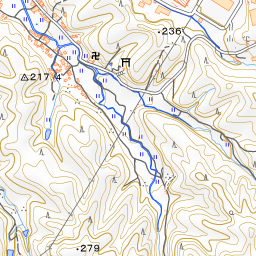
The Birthplace of Nagatani Soen is the house where Nagatani Soen, who laid the foundation for Japanese green tea production methods, was born in Yuyadani, Ujitawara Town. Located at the innermost part of the Yuyadani valley, it stands right beside Chasomyojin-sha Shrine, which enshrines Soen.
In 1738, during the mid-Edo period (Genbun 3), Soen devised the "Aosei Sencha Method" after 15 years of dedicated research. In this technique—also known as the Uji method—fresh tea buds are steamed and dried while being hand-rolled on an apparatus called a hoiro (drying hearth). By adding the process of "rolling before drying" to the previous process of "steaming/boiling and drying," Japanese tea underwent a dramatic transformation from a crude brewed tea into a tea with a vivid green color and an incomparable aroma and flavor.
Soen entrusted the sales to Yamamoto Kahei, a tea merchant in Edo. It is said that Kahei recognized its exceptional quality and sold it under the name "Tenkaichi" (the best under heaven). Because Soen generously shared his production technique, the Aosei Sencha Method spread across the country and became the origin of modern Japanese green tea.
The current building was erected on the site of the estate by local residents in 1960 (Showa 35) to preserve the remnants of the old hoiro hearth used in tea production. The birthplace and the hoiro hearth remnants were designated as town cultural properties in 1974 (Showa 49).
Viewing and Experience Highlights
- Remnants of Soen's Hoiro Hearth: Inside the building, the remnants of the hoiro hearth used in tea production are preserved. Visitors can see firsthand the traces of the equipment in the very place where the Aosei Sencha Method was born.
- Thatched Roof and Stone Walls: The thatched roof, which had shown noticeable wear, was completely re-thatched in 2007 (Heisei 19) by the Nagatani Soen Memorial Society, founded by local volunteers. The original estate was a large complex featuring tea processing huts and storehouses in addition to the main house, and the grounds reportedly extended right next to Chasomyojin-sha Shrine. Remnants of this can still be seen in the stone walls that partially remain.
- Japan Heritage and Scenic Asset: The birthplace, along with the townscape of tea fields, tea farming households, and tea wholesalers in Yuyadani, is a constituent cultural property of the Japan Heritage "800-Year History Walk of Japanese Tea." Yuyadani was also registered as a Kyoto Prefecture Scenic Asset in 2015 (Heisei 27) as the "hometown of green tea."
Walking Tips
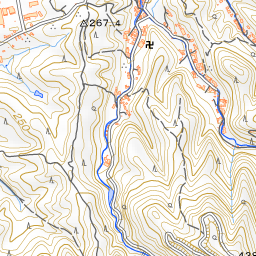
For those arriving by car, park at the parking lot of Soen Koyuan Yantan and walk for about 15 minutes. The birthplace is located about 740 meters southeast of Yantan, allowing visitors to enjoy walking through the Japan Heritage townscape of Yuyadani. Every year on a Sunday from early to mid-May, the "Nagatani Soen Birthplace Shincha (New Tea) Festival" is held, where visitors can experience picking tea in the birthplace's tea fields and processing tea using newly sprouted leaves.




Use asobot while you walk
- See where you are on the map and find spots nearby
- Listen to the guide's audio in course order, one after another (with subtitles)
- Walk to the next spot while following the map
Open on your phone
Scan to open this spot in asobot on your phone.