 ✨ AI Generated
Heijo-kyo Sakyo Sanjo Nibo Miyaato Garden
Japanese: 平城京左京三条二坊宮跡庭園
Nara City, Nara
This information was written by AI and may contain mistakes. Please check official sources for opening hours, fees, and other details before you go.
Found a mistake? Let us know with “✏️ Something's wrong” on this spot's screen in asobot →
🎧 Audio guide(1:05)
In short
Heijo-kyo Sakyo Sanjo Nibo Miyaato Garden is a garden archaeological site centered around a Nara period garden pond, discovered during an excavation in 1975. It is thought to have been constructed around 750, in the middle of the Nara period. It is designated as both a Special Historic Site and a Special Place of Scenic Beauty of Japan, and visitors can view the authentic excavated garden pond just as it was.
- S-shaped Pond: A pond paved with cobblestones. With a shallow water depth of 20 to 30 centimeters, the flow of water seems to have been gentle.
- Authentic Garden Stones: The landscape stones that accent the scenery of the pond are the authentic stones that were excavated.
- Reconstructed Building: A building for viewing the pond, from which one can look out across the pond toward the eastern mountains, such as Mt. Kasuga and Mt. Mikasa.
History and Highlights
Heijo-kyo Sakyo Sanjo Nibo Miyaato Garden is a garden site discovered in 1975 during an archaeological excavation carried out for the construction site of the Nara Post Office. It was designated as a national Special Historic Site in 1978, after which Nara City undertook its restoration and maintenance. In 1992, it was also designated as a national Special Place of Scenic Beauty.
The garden was built around 750 in the middle of the Nara period, and it is believed to have continued to exist until the early Heian period through repeated pond renovations and building reconstructions. Its current appearance is a reconstruction reflecting how it looked around the middle of the Nara period.
The site lies southeast of Heijo Palace, and buildings and walls were systematically constructed across an entire block unit called a "tsubo." It is thought to have been a detached villa facility of Heijo Palace or a residence of the imperial family, which led to the name "Miyaato Garden" (palace site garden). Because wooden tablets (mokkan) and roof tiles closely associated with Heijo Palace have been unearthed, it is considered to have been a venue for official banquets. Winding stream banquets (kyokusui no en) or feasts hosting foreign guests may have taken place here.
The authentic excavated garden pond is displayed in an exposed state. It is said that there are no other examples among excavated gardens where an entire garden pond is displayed exposed. Restoration work was conducted over 14 years, beginning in 2007.
Highlights for Viewing and Experiencing
- The S-shaped Garden Pond: Clay was spread across the bottom, covered with flat stones measuring 20 to 30 centimeters in diameter. The water depth was shallow at 20 to 30 centimeters, and the water flow seems to have been slow. Regarding its shape, there are theories that it imitated the form of a dragon, or that it replicated the Yoshino River near Miyataki in Yoshino Town.
- Stone Arrangements and Rock Islands: Large stone arrangements are placed at key bends in the pond, and stones are placed in three locations within the pond to form rock islands. The landscape stones that serve as accents to the pond's scenery are authentic excavated stones.
- The View from the Reconstructed Building: The reconstructed structure was built for viewing the pond, modeled after surviving buildings from the Nara period. Looking out at the pond from this building, you can see Mt. Kasuga and Mt. Mikasa in the distance beyond.
Strolling Tips
First, stand near the reconstructed building facing east, and take in the overlapping scenery of the pond and the mountain range. Next, head to the north side of the pond. The water was designed to pool temporarily in a small stone-lined basin before flowing into the main pond. There are wooden square boxes in two places at the bottom of the pond, which are believed to have been used for planting rabbit-ear irises (kakitsubata).
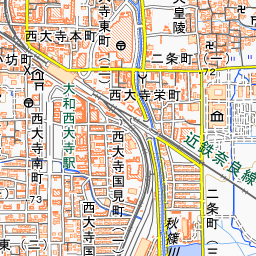
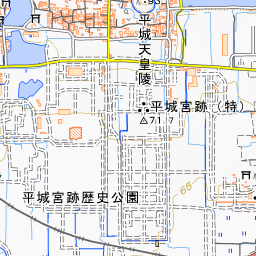
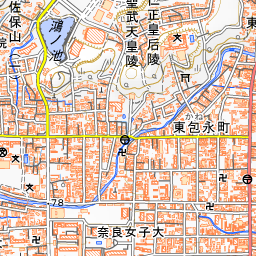
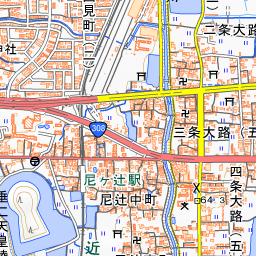
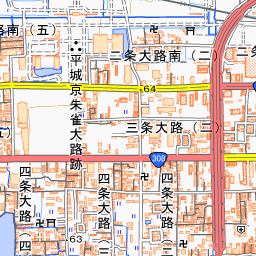
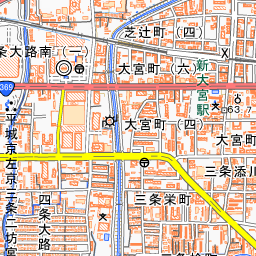
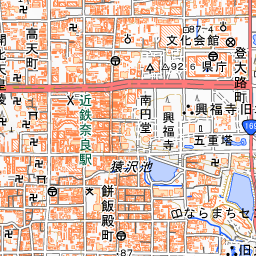
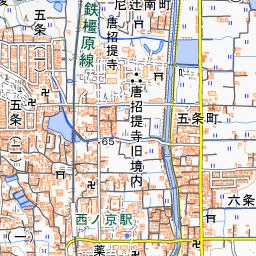
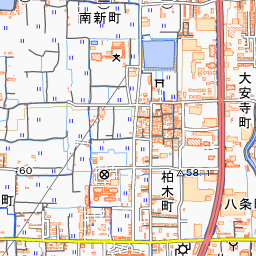
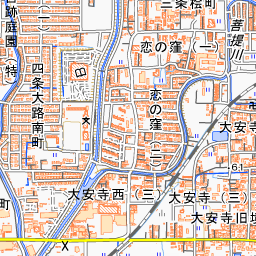
Take a Nara Kotsu bus from Kintetsu-Nara Station or Shin-Omiya Station and get off at the "Miyaato Garden" bus stop, which is right by the site. There is no parking lot. The Suzakumon Gate of Heijo Palace is about 1 kilometer to the northwest, making it convenient to continue your walk to Nara Palace Site Historical Park.

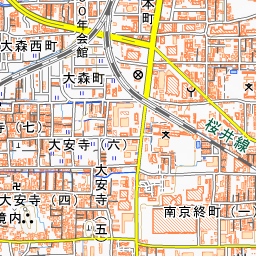
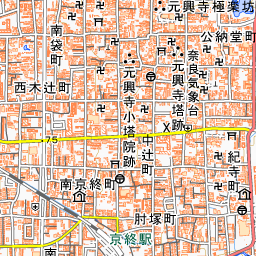
Spot location © OpenStreetMap contributors (ODbL)
Open in Google MapsGuides that include this spot (1)
Use asobot while you walk
- See where you are on the map and find spots nearby
- Listen to the guide's audio in course order, one after another (with subtitles)
- Walk to the next spot while following the map
Open on your phone
Scan to open this spot in asobot on your phone.