 ✨ AI Generated
Tokyu Setagaya Line
Japanese: 東急世田谷線
Setagaya City, Tokyo
This information was written by AI and may contain mistakes. Please check official sources for opening hours, fees, and other details before you go.
Found a mistake? Let us know with “✏️ Something's wrong” on this spot's screen in asobot →
🎧 Audio guide(0:59)
In short
The Tokyu Setagaya Line is a 5.0-kilometer electric railway line that connects Sangenjaya Station and Shimo-Takaido Station in Setagaya Ward. It opened in 1925 (Taisho 14). Formerly part of the Tamagawa Line known as "Tamaden," it remained in operation even after the Tamagawa Line was discontinued, preserving the atmosphere of that era to this day.
- Small two-car trains: Articulated two-car 300 series trains connect Sangenjaya Station and Shimo-Takaido Station in 18 minutes.
- A crossing where trains wait for traffic lights: At the Wakabayashi crossing where the tracks intersect with Kannana-dori Avenue, trains wait while the road traffic light is green.
- Sights along the line: The line passes through stations closest to Setagaya's famous spots, including Shoin-jinja Shrine, Gotoku-ji Temple, and the Daikan Residence.
History and Highlights
The Tokyu Setagaya Line is a 5.0-kilometer line connecting Sangenjaya Station and Shimo-Takaido Station. Rather than a conventional railway, it is classified as a tramway (kido), the only tramway operated by Tokyu Railways. However, it has no street-running sections, running entirely on its own dedicated tracks.
Its history began in 1925 (Taisho 14). As a branch line of the Tamagawa Electric Railway's Tamagawa Line, popularly known as "Tamaden," the section between Sangenjaya and Setagaya opened on January 18, followed by the section between Setagaya and Shimo-Takaido on May 1. The main Tamagawa Line was a streetcar service connecting Shibuya and Futako-Tamagawaen, carrying gravel from the Tama River as well as passengers along the Oyama-kaido road.
In May 1969 (Showa 44), when the section of the Tamagawa Line between Shibuya and Futako-Tamagawaen was discontinued, only the section between Sangenjaya and Shimo-Takaido remained as an independent line, taking the name Setagaya Line. Today, the Setagaya Line retains the atmosphere of the Tamaden era. The track gauge is the 1,372-millimeter "Scotch gauge" (carriage gauge). Because Tamaden was once connected to Tokyo's municipal tramway at Shibuya, it was laid to the same track gauge as the city tram, which remains unchanged today.
Highlights for Visitors
- Two-car 300 series trains: The rolling stock consists of low-floor 300 series trains operating in articulated two-car formations. The journey from Sangenjaya Station to Shimo-Takaido Station takes 18 minutes. Passengers can transfer to the Den-en-toshi Line at Sangenjaya Station, the Odakyu Line (Gotokuji Station) at Yamashita Station, and the Keio Line at Shimo-Takaido Station.
- Wakabayashi Crossing: Between Nishi-Taishido Station and Wakabayashi Station lies the Wakabayashi crossing, which intersects with Kannana-dori Avenue. Here, the train signals are coordinated with the road traffic signals, meaning the train waits while the traffic light for Kannana-dori Avenue is green.
- Maneki-neko Train: In honor of Gotoku-ji Temple along the line, which is said to be the birthplace of the maneki-neko (beckoning cat), a specially decorated "Lucky Maneki-neko Train" is in operation. The hanging straps inside the car are shaped like beckoning cats, and paw prints are depicted on the floor.
Tips for Exploring
Sangenjaya Station is the starting station of the Setagaya Line and has been selected as one of the "Top 100 Stations in the Kanto Region." Board at Sangenjaya Station and watch how the train waits for the traffic light on Kannana-dori Avenue just before Wakabayashi Station. You can walk to Shoin-jinja Shrine by getting off at Shoin-jinja-mae Station, to the Daikan Residence by getting off at Kamimachi Station, or to Gotoku-ji Temple by getting off at Miyanosaka Station. For information about the neighborhood, please also refer to the "Sangenjaya" spot guide, and for the respective sights, check the guides for each spot.

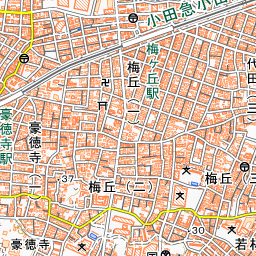


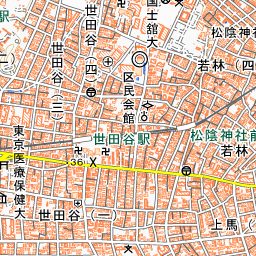
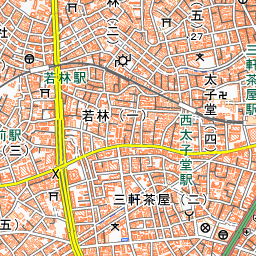

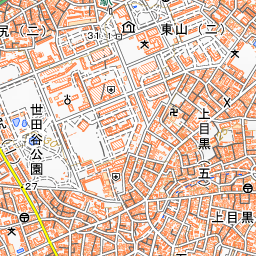
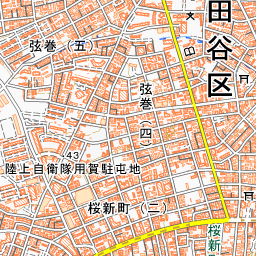
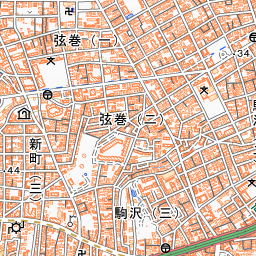
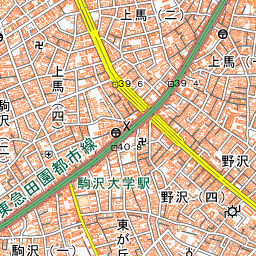
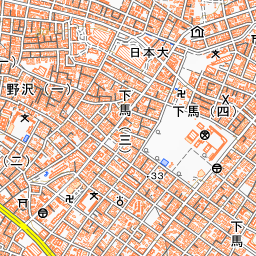
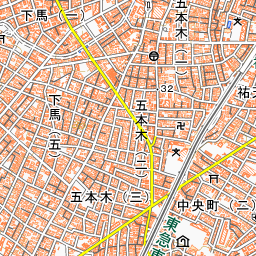
Spot location © OpenStreetMap contributors (ODbL)
Open in Google MapsUse asobot while you walk
- See where you are on the map and find spots nearby
- Listen to the guide's audio in course order, one after another (with subtitles)
- Walk to the next spot while following the map
Open on your phone
Scan to open this spot in asobot on your phone.