 ✨ AI Generated
Ishikawa Sake Brewery
Japanese: 石川酒造
Fussa, Tokyo
This information was written by AI and may contain mistakes. Please check official sources for opening hours, fees, and other details before you go.
Found a mistake? Let us know with “✏️ Something's wrong” on this spot's screen in asobot →
🎧 Audio guide(1:07)
In short
Ishikawa Sake Brewery is a sake brewery located in Kumagawa, Fussa City, founded in 1863 during the Bunkyu era. It brews the sake "Tamajiman" as well as craft beer. On its grounds stand six buildings registered as national Tangible Cultural Properties, watched over by large zelkova trees.
- Main Brewery (Honzo): Built in 1880, this main brewery brews "Tamajiman." Measuring approximately 25 meters by 28 meters, it reaches a height of about 13 meters.
- Meoto Keyaki and Sacred Tree: The grounds feature the Meoto Keyaki (husband-and-wife zelkova trees), which are over 400 years old, and a sacred zelkova tree that has lived for 700 years.
- Historical Museum and Beer Kettle Pavilion: Visitors can encounter the history of sake brewing from the Edo through Showa periods, as well as Meiji-era beer brewing.
History and Highlights
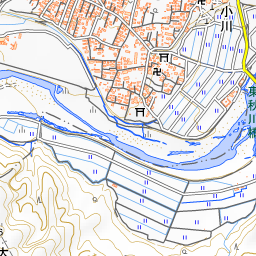
The history of Ishikawa Sake Brewery began in 1863. Renting the brewery of Morita Sake Brewery in Ogawa Village (now Akiruno City) across the Tama River, the 13th-generation head Wakichi began brewing sake. The founding brand was "Yae-zakura." In 1919, it was changed to "Yae-ume," and since 1933, the current brand name "Tamajiman" has been in use. In 1880, the brewery was built at its present location in Kumagawa.
The brewery also has a history of brewing beer. In 1887, it embarked on beer brewing and released it the following year under the name "Nihon Beer." It was a German-style lager beer. However, for reasons such as crown cap technology not yet being available and bottles being prone to bursting, the manufacturing equipment was sold off in 1890. Today, the brewery also produces the craft beers "Tama no Megumi" and "TOKYO BLUES."
Fussa City has two sake breweries that have engaged in sake brewing since the Edo period, and Ishikawa Sake Brewery is one of them. Within the grounds are six buildings registered as national Tangible Cultural Properties.
Viewing and Experience Points
- Main Brewery and Nagayamon: The main brewery, where "Tamajiman" is brewed, was constructed in 1880. Measuring about 25 meters by 28 meters with a height of around 13 meters, it is roofed with 300 tsubo (approx. 990 square meters) worth of tiles. The Nagayamon (rowhouse-style gate) dates back to the Edo period and is said to predate the sake brewing business. The name on the doorplate, "Ishikawa Yahachiro," is passed down through generations of family heads.
- Meoto Keyaki and Sacred Tree: Meoto Keyaki are zelkova trees over 400 years old; enshrined at their base are Daikokuten, the god of rice, and Benzaiten, the goddess of water. The sacred tree is a 700-year-old zelkova designated as a Natural Monument of Fussa City under the name "Ishikawa Family Zelkova." It has a trunk circumference of 4.48 meters.
- Historical Museum and Beer Kettle Pavilion: The historical museum displays exhibits on sake brewing from the Edo, Meiji, and Showa periods, as well as recipes, bottles, and labels from the beer brewing of 1887. The Beer Kettle Pavilion houses a beer kettle actually used at that time. This building was constructed in 1987, marking 100 years since the first beer brewing.
Walking Tips
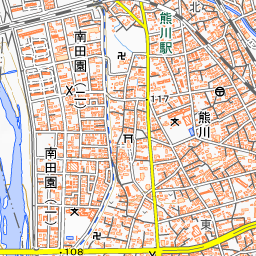
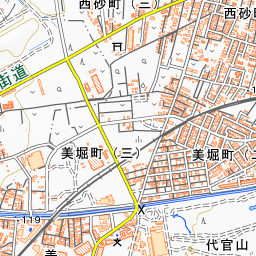
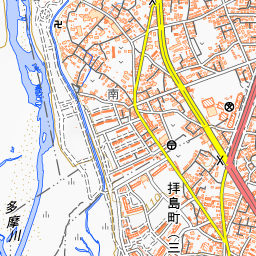
It is about a 20-minute walk from JR Haijima Station. Visitors can freely stroll around the grounds. With a QR-code-equipped pamphlet distributed at the direct sales shop in hand, you can explore the historical museum, the registered tangible cultural property buildings, and the beer kettle. Running through the grounds is the Kumagawa Diversion Canal, drawn from the Tamagawa Aqueduct between 1886 and 1890 to provide domestic water. Residents of Kumagawa Village, centered around the Ishikawa family, took part in this construction work. Freshly brewed beer can be enjoyed at the on-site restaurant "Fussa no Beer Goya." Fussa Base Side Street is located approximately 2.7 kilometers to the north.

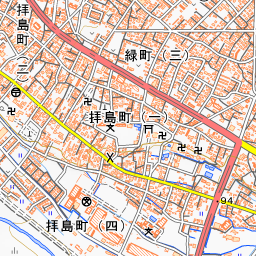
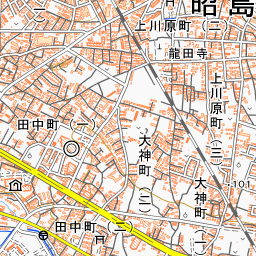
Spot location © OpenStreetMap contributors (ODbL)
Open in Google MapsUse asobot while you walk
- See where you are on the map and find spots nearby
- Listen to the guide's audio in course order, one after another (with subtitles)
- Walk to the next spot while following the map
Open on your phone
Scan to open this spot in asobot on your phone.