 ✨ AI Generated
Daitoku-ji Temple
Japanese: 大徳寺
Kita Ward, Kyoto
This information was written by AI and may contain mistakes. Please check official sources for opening hours, fees, and other details before you go.
Found a mistake? Let us know with “✏️ Something's wrong” on this spot's screen in asobot →
🎧 Audio guide(1:17)
In short
The head temple of the Rinzai sect's Daitoku-ji school, bearing the mountain name Ryuhozan. It was founded in 1315 (Showa 4) by Daito Kokushi Shuho Myocho. Although its buildings were burned down during the Onin War, Ikkyu Sojun, affectionately known as "Ikkyu-san," restored the temple. It received the devotion of many tea masters, including Murata Juko and Sen no Rikyu, and has deep ties with the way of tea.
- Buildings Arranged North to South: The main buildings, from the Chokushimon (Imperial Envoy Gate) to the Sanmon (main gate), Butsuden (Buddha Hall), Hatto (Dharma Hall), and Hojo (Abbot's Quarters), are aligned from south to north. The Hojo is a National Treasure, while the Sanmon, Butsuden, Hatto, and others are Important Cultural Properties, and the ceiling of the Hatto features a cloud dragon painting by Kano Tan'yu
- Kinmokaku Gate and Sen no Rikyu: Sen no Rikyu added the second story to the Sanmon gate in 1589 (the 17th year of the Tensho era), and it was named Kinmokaku Gate. It is said that placing a statue of Rikyu on top of the gate provoked the wrath of Hideyoshi, serving as one of the factors leading Rikyu to take his own life
- The National Treasure Karamon Gate and Temple Treasures: The Karamon standing in front of the Hojo is a Momoyama-period structure said to be a remnant of Hideyoshi's Jurakudai. The main Hojo garden, a dry landscape (karesansui) garden representing the early Edo period, is designated a Special Place of Scenic Beauty and a Historic Site
History and Highlights
Daitoku-ji Temple, bearing the mountain name Ryuhozan, is the head temple of the Rinzai sect's Daitoku-ji school. It was founded in 1315 (the fourth year of the Showa era) at the end of the Kamakura period by Daito Kokushi Shuho Myocho, funded by donations from Akamatsu Enshin, the military governor (shugo) of Harima Province (Banshu). Receiving deep devotion from Retired Emperor Hanazono and Emperor Godaigo, it became an imperial prayer temple (chokugan-ji) for both the Northern and Southern Courts. During the Muromachi period, the temple declined the protection of the shogunate, maintaining an independent stance as an unofficial Zen temple. Although its buildings were burned down during the Onin War, the 47th head priest, Ikkyu Sojun—affectionately known as "Ikkyu-san"—restored the temple with the support of wealthy merchants from Sakai. In the Momoyama period, after Toyotomi Hideyoshi held the funeral of Oda Nobunaga here and built Soken-in Temple to pray for his soul, numerous sub-temples (tatchu) were constructed one after another by Sengoku warlords. The temple also gained the devotion of many tea masters, including Murata Juko, regarded as the founder of the tea ceremony, and Sen no Rikyu, establishing deep ties with the way of tea.
Highlights of Appreciation and Experience
- Buildings Arranged North to South: The main buildings—from the Chokushimon (Imperial Envoy Gate) to the Sanmon (main gate), Butsuden (Buddha Hall), Hatto (Dharma Hall), and the Hojo (Abbot's Quarters)—are aligned from south to north, exhibiting a typical Zen temple layout. The Hojo is designated as a National Treasure, while the Sanmon, Butsuden, and Hatto are Important Cultural Properties. The Chokushimon is said to be the South Gate of the Imperial Palace, built during the Keicho era, which was gifted and relocated by Emperor Gomizunoo. The Hatto was donated in 1636 (the 13th year of the Kan'ei era) by Inaba Masanori according to the final wishes of his father Masakatsu, the lord of Odawara Castle, and its ceiling features a cloud dragon painting by Kano Tan'yu.
- Kinmokaku Gate and Sen no Rikyu: For the Sanmon gate, the first story was donated in 1529 (the second year of the Kyoroku era) by the renga poet Socho, and Sen no Rikyu added the second story in 1589 (the 17th year of the Tensho era), naming it Kinmokaku Gate. It is said that placing a statue of Rikyu on top of the gate provoked the wrath of Hideyoshi, serving as one of the factors leading Rikyu to take his own life. Among Zen temple main gates, it is the second oldest after the Sanmon gate of Tofuku-ji Temple.
- The National Treasure Karamon Gate and Temple Treasures: The Karamon (Chinese-style gate) standing in front of the Hojo is a National Treasure; said to be a remnant of Hideyoshi's Jurakudai mansion, it is a representative structure of the Momoyama period adorned with lavish carvings. The main Hojo garden is a dry landscape (karesansui) garden representing the early Edo period and is designated as a Special Place of Scenic Beauty and a Historic Site. The temple preserves many cultural treasures, including the sliding screen paintings (fusuma-e) by Kano Tan'yu decorating the Hojo (an Important Cultural Property) and the Triptych of Guanyin, Monkeys, and Cranes by Muqi (Mokkei) (a National Treasure).
Tips for Exploring
The nearest bus stop is "Daitokuji-mae" on the Kyoto City Bus network. Across the spacious temple grounds stand the branch temple and numerous sub-temples. The Sanmon and Hatto gates/halls are not normally open to the public. The sub-temple Daisen-in Temple, as well as Imamiya-jinja Shrine and Kinkaku-ji Temple located in the same Kita Ward, are introduced as separate attractions.


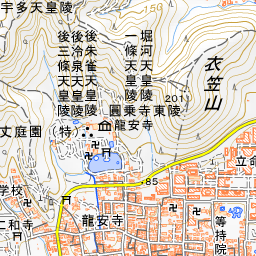

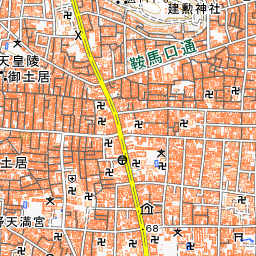
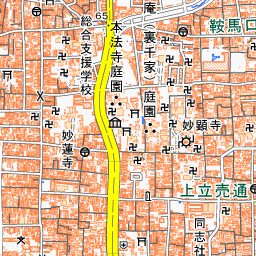
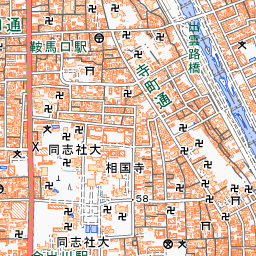
Spot location © OpenStreetMap contributors (ODbL)
Open in Google MapsGuides that include this spot (1)
Use asobot while you walk
- See where you are on the map and find spots nearby
- Listen to the guide's audio in course order, one after another (with subtitles)
- Walk to the next spot while following the map
Open on your phone
Scan to open this spot in asobot on your phone.