 ✨ AI Generated
Lake Biwa Canal (Yamashina Canal)
Japanese: 琵琶湖疏水(山科疏水)
Yamashina Ward, Kyoto
This information was written by AI and may contain mistakes. Please check official sources for opening hours, fees, and other details before you go.
Found a mistake? Let us know with “✏️ Something's wrong” on this spot's screen in asobot →
🎧 Audio guide(1:09)
In short
The section of the Lake Biwa Canal, which draws water from Lake Biwa to Kyoto, that flows through Yamashina. The section spanning a total length of approximately 4 kilometers, from the exit of Tunnel No. 1 to Hinooka, is collectively called the Yamashina Canal. The first canal, completed in 1890 (Meiji 23), is the first case in which all phases, from design to execution, were carried out entirely by Japanese hands. In 2025, the three tunnels spanning Yamashina Ward were designated as National Treasures.
- Tunnel Plaque Inscriptions: Stone plaques with carved inscriptions written by historical figures, including Meiji statesmen, are mounted at the entrances and exits of the tunnels. At the exit of Tunnel No. 1 is "Kaku to shite sore iruru koto ari" by Yamagata Aritomo
- Cherry Blossoms and Canola Flowers at Anshu Bridge: The "Bridge No. 4" that has existed since the canal's opening. In spring, it is a famous flower viewing spot where cherry blossoms bloom alongside canola flowers carefully tended by local residents
- Higashiyama Nature Green Space and Lake Biwa Canal Cruise: In Higashiyama Nature Green Space along the canal, deer, wild boars, and grey herons can also be seen. The "Lake Biwa Canal Cruise" sightseeing boat travels along the waterway
History and Highlights
Lake Biwa Canal (Yamashina Canal) refers to the section flowing through Yamashina of the Lake Biwa Canal, which draws water from Lake Biwa to Kyoto. The section spanning a total length of approximately 4 kilometers, from the exit of Tunnel No. 1 to Hinooka, is collectively called the Yamashina Canal.
Following the de facto relocation of the capital to Tokyo during the Meiji Restoration, the population of Kyoto decreased by about one-third. Kitagaki Kunimichi, who became the third governor of Kyoto Prefecture in 1881, planned to build new factories powered by the water drawn from Lake Biwa and to stimulate the transport of goods by boat. Tanabe Sakuro, a 21-year-old recent graduate of the Imperial College of Engineering, was appointed to oversee the construction. After difficult construction work that began in 1885, the first canal was completed in 1890. It became the first case in which all phases, from design to execution, were carried out entirely by Japanese hands.
The Lake Biwa Canal is a national historic site and was also designated as a Japan Heritage site in 2020. In 2025, the canal's facilities were designated as National Treasures and Important Cultural Properties; the three tunnels—the First, Second, and Third—spanning Yamashina Ward were designated as National Treasures, while structures such as the Anshu River Aqueduct became Important Cultural Properties.
Viewing and Experience Highlights
- Tunnel Plaque Inscriptions: Stone plaques featuring carved inscriptions written by historical figures, including Meiji statesmen, are mounted at the entrances and exits of the tunnels. At the exit of Tunnel No. 1 is "Kaku to shite sore iruru koto ari" by Yamagata Aritomo. At the entrance of Tunnel No. 2, the shortest on the canal, is a plaque by Inoue Kaoru meaning "The benevolent find joy in the immovable mountains; the wise find joy in the flowing waters."
- Cherry Blossoms and Canola Flowers at Anshu Bridge: Anshu Bridge, which carries the approach to Bishamon-do Temple over the canal, is the "Bridge No. 4" that has existed since the canal's opening. In spring, it is a famous flower viewing spot where cherry blossoms bloom alongside canola flowers carefully tended by local residents.
- Higashiyama Nature Green Space and Lake Biwa Canal Cruise: Along the canal, an urban park called Higashiyama Nature Green Space has been developed, where deer, wild boars, and grey herons can also be seen. The "Lake Biwa Canal Cruise" sightseeing boat travels along the waterway, and the Shinomiya Boat Basin is one of its embarkation and disembarkation points.
Walking Tips
You can walk along the canal, taking in its diverse seasonal appearances: cherry blossoms in spring, fresh green leaves in summer, autumn foliage, and snow-covered landscapes in winter. From the Anshu area, Bishamon-do Temple is about 500 meters to the north, and Moroha-jinja Shrine is about 400 meters to the southeast. Heading about 1 kilometer to the west brings you to the area of Honkoku-ji Temple and the Mausoleum of Emperor Tenji.
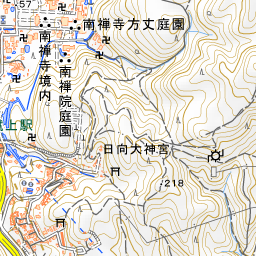
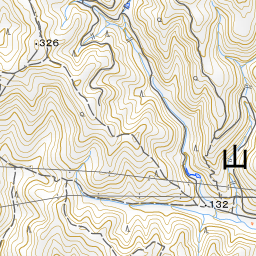

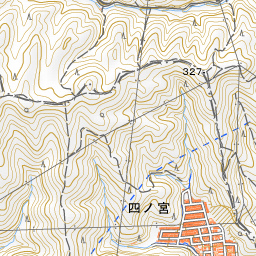
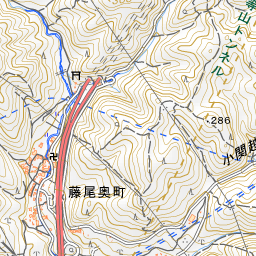
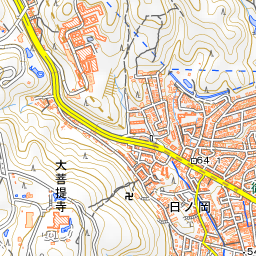
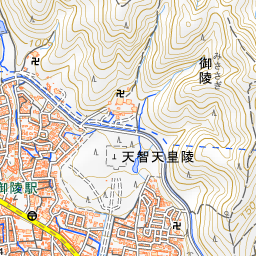
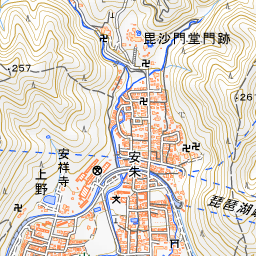
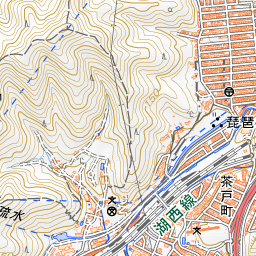
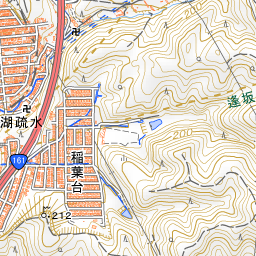
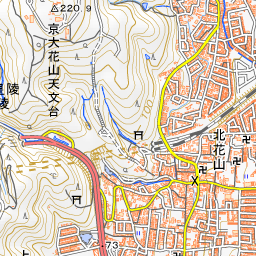
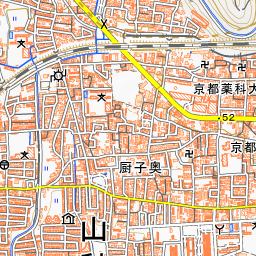
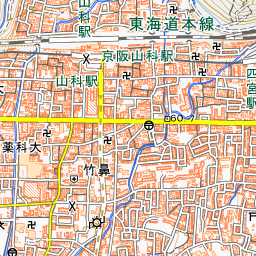
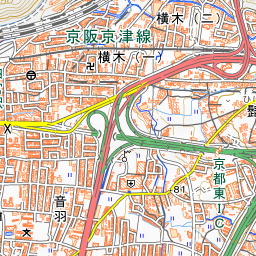

Spot location © OpenStreetMap contributors (ODbL)
Open in Google MapsGuides that include this spot (1)
Use asobot while you walk
- See where you are on the map and find spots nearby
- Listen to the guide's audio in course order, one after another (with subtitles)
- Walk to the next spot while following the map
Open on your phone
Scan to open this spot in asobot on your phone.