 ✨ AI Generated
Imamiya-jinja Shrine
Japanese: 今宮神社
Kita Ward, Kyoto
This information was written by AI and may contain mistakes. Please check official sources for opening hours, fees, and other details before you go.
Found a mistake? Let us know with “✏️ Something's wrong” on this spot's screen in asobot →
🎧 Audio guide(1:02)
In short
Imamiya-jinja Shrine is a shrine in Murasakino that originated from rituals to quell epidemics. In 994 (Shoryaku 5), to calm an epidemic in the capital, the pestilence deities were transferred to Mt. Funaoka, where the Murasakino Goryo-e ritual was held. This is the origin of the Imamiya Matsuri festival, and the shrine regards its naming as Imamiya-sha in 1001 (Choho 3) as its foundation. During the Edo period, Keishoin, the biological mother of the 5th Tokugawa Shogun, Tsunayoshi, had the shrine buildings constructed.
- Ahokashi-san: A stone also known as the "divination stone" or "Omo-karu-ishi" (heavy-light stone). It is said that you should first lightly pat it three times with your palm and lift it, then make a wish, rub it three times, and lift it again; if it feels lighter, your wish will come true
- Yasurai Matsuri: A festival held every year on the second Sunday of April to quell epidemics during the flower season. It is considered one of Kyoto's Three Peculiar Festivals and has been designated a National Important Intangible Folk Cultural Property
- Aburi-mochi in Front of the Gate: A famous specialty in front of the gate, consisting of mochi dusted with soybean flour, skewered on bamboo sticks, roasted over charcoal, and coated with white miso sauce
History and Highlights
Imamiya-jinja Shrine is a shrine in Murasakino that originated from rituals to quell epidemics. It is said that even before the establishment of Heian-kyo, a shrine worshipping deities of pestilence existed in this area. In 994 (Shoryaku 5), to calm an epidemic in the capital, the pestilence deities were transferred into two portable shrines (mikoshi) and placed on Mt. Funaoka, where the Murasakino Goryo-e ritual was held. This is the origin of the Imamiya Matsuri festival. In 1001 (Choho 3), the goryo-e ritual was conducted again, and along with three newly built shrine pavilions, it was named Imamiya-sha, marking the foundation of the shrine. The main sanctuary enshrines Onamuchi-no-Mikoto, Kotoshironushi-no-Mikoto, and Kushinadahime-no-Mikoto, while the Ekisha sub-shrine enshrines Susanoo-no-Mikoto.
During the Edo period, Keishoin, who was born to a greengrocer in Nishijin and became the biological mother of the 5th Tokugawa Shogun, Tokugawa Tsunayoshi, lamented the ruined state of the shrine. Starting in 1694 (Genroku 7), she rebuilt the shrine buildings and also revived the Yasurai Matsuri festival, which had been suspended. Named Tama, Keishoin rose to Junior First Rank (Juichii), the highest court rank for a woman; her life is also considered the origin of the Japanese phrase tama-no-koshi (marrying into wealth and high status). The current main hall was rebuilt in 1902 (Meiji 35).
Viewing and Experience Highlights
- Ahokashi-san: A stone also known as the "divination stone" or "Omo-karu-ishi" (heavy-light stone). It is said that you should first lightly pat the stone three times with your palm and lift it, then make a wish, rub it three times, and lift it again; if it feels lighter, your wish will come true. It is also said that if sick people rub the stone and then stroke the ailing part of their body, their recovery will be hastened.
- Yasurai Matsuri: A festival held every year on the second Sunday of April to quell epidemics during the flower season. Centered around large furyugasa (ornamental parasols decorated with flowers), great red-haired and black-haired demons dance while beating drums and gongs. It is said that stepping under the parasol will ward off misfortune. Along with the Kurama Fire Festival and the Uzumasa Bull Festival, it is considered one of Kyoto's Three Peculiar Festivals and has been designated a National Important Intangible Folk Cultural Property.
- Aburi-mochi in Front of the Gate: A famous local specialty sold before the gate, consisting of thumb-sized pieces of mochi dusted with soybean flour, skewered on bamboo sticks, roasted over charcoal, and coated with a sweet white miso sauce. The savory aroma of the roasting mochi fills the shrine grounds and the approach.
Walking Tips
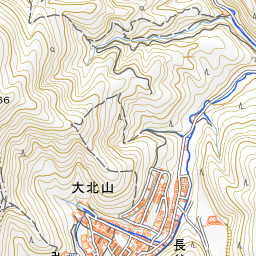
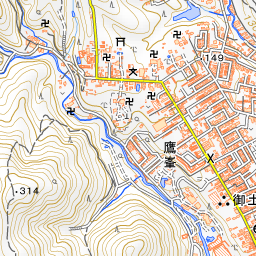
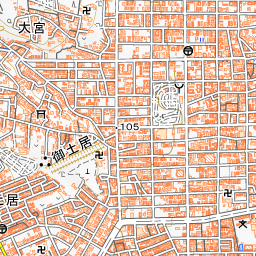
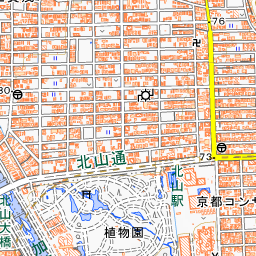
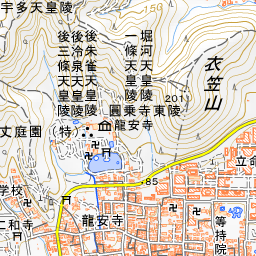
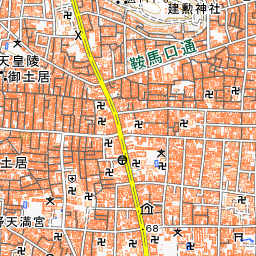
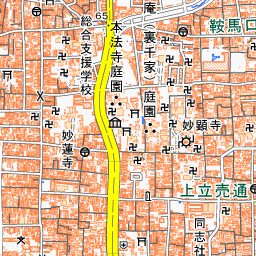
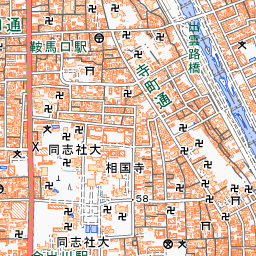
The shrine is just a short walk after getting off at the Kyoto City Bus stop "Imamiya Jinja-mae". From the "Funaokayama" bus stop, it is about a 7-minute walk to the north. At the end of the Taisho period, an approach running north-south from the northern foot of Mt. Funaoka through the grounds of Daitoku-ji Temple was constructed, and a vermilion-lacquered two-story gate (romon) was built at its northern end. Takeisao-jinja Shrine and Daitoku-ji Temple are introduced as separate spots.

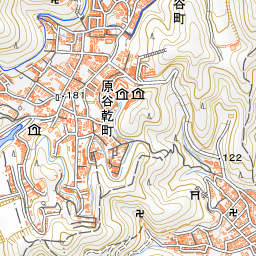
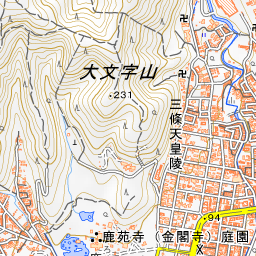
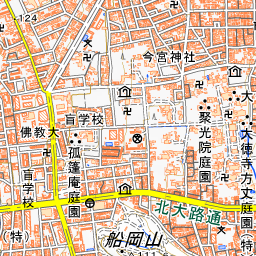
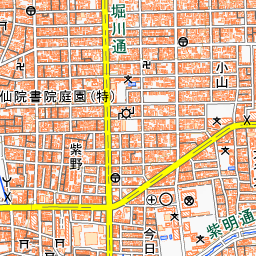


Spot location © OpenStreetMap contributors (ODbL)
Open in Google MapsGuides that include this spot (1)
Use asobot while you walk
- See where you are on the map and find spots nearby
- Listen to the guide's audio in course order, one after another (with subtitles)
- Walk to the next spot while following the map
Open on your phone
Scan to open this spot in asobot on your phone.