 ✨ AI Generated
Kiyosumi Gardens
Japanese: 清澄庭園
Koto City, Tokyo
This information was written by AI and may contain mistakes. Please check official sources for opening hours, fees, and other details before you go.
Found a mistake? Let us know with “✏️ Something's wrong” on this spot's screen in asobot →
🎧 Audio guide(1:01)
In short
Kiyosumi Gardens is a "kaiyushiki rinsen teien" (circuit-style garden with a pond and woodland) centered around a pond, artificial hills, and dry landscape (karesansui), designated as a Place of Scenic Beauty by the Tokyo Metropolitan Government. In the Meiji period, Iwasaki Yataro, the founder of the Mitsubishi zaibatsu, purchased this land and planned the garden's creation. Construction continued even after Yataro's death, resulting in a garden featuring the Daisensui pond fed by water drawn from the Sumida River and celebrated stones gathered from across the country.
- Daisensui and Iso-watari: At the edge of the pond, which holds three islets, lies the "iso-watari" path where visitors can walk stepping from stone to stone.
- Celebrated Stones from Across the Country: Innumerable stones, collected by the Iwasaki family using their own steamships, are placed throughout the garden.
- Ryotei: A sukiya-style building dating from 1909 (Meiji 42) that stands as if jutting out over the pond.
History and Highlights
Kiyosumi Gardens is a "kaiyushiki rinsen teien" (circuit-style garden with a pond and woodland) arranged with artificial hills and dry landscape around a central pond. While this style of garden design originates from the daimyo gardens of the Edo period, it was carried on in the garden making of the Meiji period, and it is said that Kiyosumi Gardens achieved a modern completion of this form.
Part of this site is traditionally believed to be the former residence of Kinokuniya Bunzaemon, a wealthy Edo-period merchant. During the Kyoho era, it became a shimoyashiki (suburban residence) of Kuze Yamato-no-kami, the lord of Sekiyado Domain, and the garden seems to have taken shape to some extent during that time.
In 1878 (Meiji 11), Iwasaki Yataro, the founder of the Mitsubishi zaibatsu, bought this dilapidated residence property. Planning the garden as a place for employee recreation and for entertaining important guests, he saw its provisional completion in 1880 (Meiji 13) as "Fukagawa Shinbokuen." Construction continued after Yataro's death, completing a garden with the Daisensui pond supplied with water from the Sumida River and celebrated stones brought from all over the country.
During the Great Kanto Earthquake, the garden served as an evacuation area and saved many lives. The following year, in 1924 (Taisho 13), the Iwasaki family donated the eastern half to the City of Tokyo, and the garden was opened to the public in 1932 (Showa 7). In 1979 (Showa 54), it was designated as a Place of Scenic Beauty by the Tokyo Metropolitan Government.
Points for Appreciation and Experiences
- Daisensui and Iso-watari: The spacious pond, laid out with three islets, is the heart of the garden. It is said that in the past, because water was drawn from the Sumida River, the appearance of the pond changed gradually with the ebb and flow of the tide. Today, it is sustained by rainwater. The "iso-watari," featuring stepping stones placed at intervals along the pond's edge, is designed so that the view shifts with each step taken.
- Celebrated Stones from Across the Country: With countless stones placed throughout the grounds—including Izu iso-ishi, Iyo ao-ishi, Sado akadama-ishi, and Ikoma-ishi—the garden takes on the air of a "stone garden." These stones were gathered by the Iwasaki family from stone-producing regions nationwide using their company's steamships.
- Ryotei: A sukiya-style building constructed to project over the pond. It was built by the Iwasaki family in 1909 (Meiji 42) to welcome British Field Marshal Kitchener, who visited Japan as a state guest. Having survived both the earthquake and wartime damage, it was designated as a Tokyo Metropolitan Historical Building in 2005 (Heisei 17).
Tips for Strolling
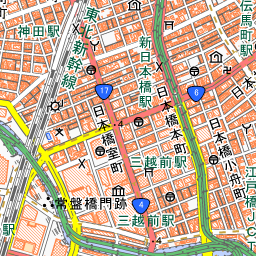
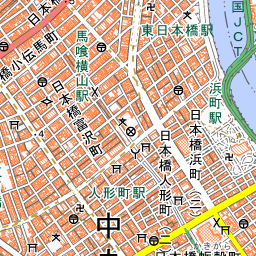
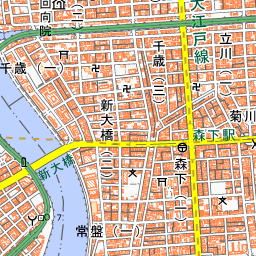
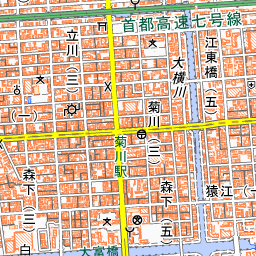
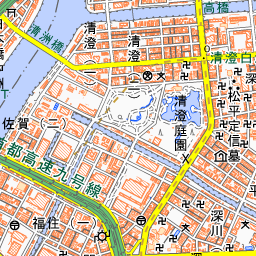
The garden is a 3-minute walk from Kiyosumi-Shirakawa Station. The Ryotei stands on the south bank of the pond, and viewing it from the iso-watari on the north bank is often recommended. In late autumn, the autumn foliage of the wax trees (hazenoki) on the central islet can be seen. The tallest and largest artificial hill in the garden is called "Fuji-san." There is also a monument inscribed with Matsuo Basho's haiku, "furuike ya / kawazu tobikomu / mizu no oto" (An old pond / A frog jumps in / The sound of water). About 280 meters east-northeast is the Koto City Fukagawa Edo Museum, about 760 meters north-northwest is the Koto City Basho Museum, and about 1 kilometer east is the Museum of Contemporary Art Tokyo.
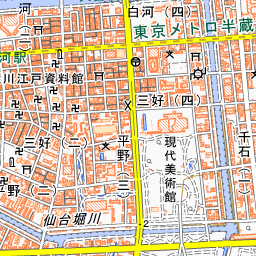
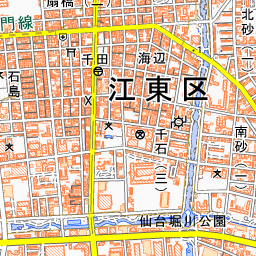

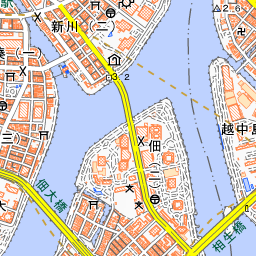
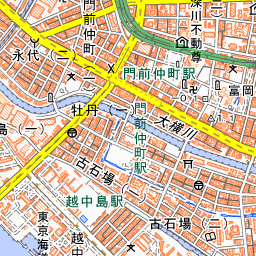
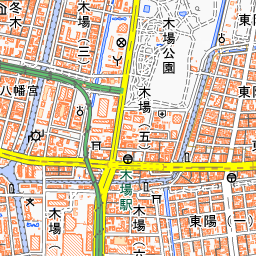
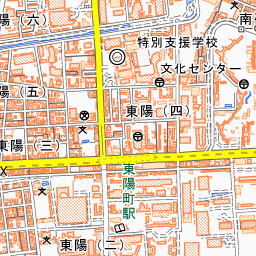
Spot location © OpenStreetMap contributors (ODbL)
Open in Google MapsGuides that include this spot (1)
Use asobot while you walk
- See where you are on the map and find spots nearby
- Listen to the guide's audio in course order, one after another (with subtitles)
- Walk to the next spot while following the map
Open on your phone
Scan to open this spot in asobot on your phone.