 ✨ AI Generated
Eko-in Temple
Japanese: 回向院
Sumida City, Tokyo
This information was written by AI and may contain mistakes. Please check official sources for opening hours, fees, and other details before you go.
Found a mistake? Let us know with “✏️ Something's wrong” on this spot's screen in asobot →
🎧 Audio guide(1:03)
In short
Eko-in Temple is a Buddhist temple of the Jodo sect, founded to bury the victims of the Great Fire of Meireki in 1657 (Meireki 3). It has continued to hold memorial services without distinction, for people with or without family ties, and for humans and animals alike. In the late Edo period, it became a regular venue for kanjin sumo (fundraising sumo tournaments) and is said to be the predecessor of today's Ryogoku Kokugikan. Within its grounds stand various monuments associated with sumo and Nezumi Kozo.
- Chikara-zuka (Mound of Power): A monument erected by the Sumo Association, cherished as a site where new wrestlers pray to be granted strength.
- Grave of Nezumi Kozo: There is a custom of scraping off and taking home pieces of the "chipping stone" in front of the tomb, and examinees praying to pass exams still visit today.
- Bato Kannon: A Kannon originating from the burial of Shogun Ietsuna's beloved horse, serving as a pilgrimage stop on the Edo Thirty-Three Kannon Pilgrimage.
History and Highlights
Eko-in Temple is a temple of the Jodo sect founded in 1657 (Meireki 3). In that year, Edo was struck by the Great Fire of Meireki, also known as the "Furisode Fire." More than 60 percent of the city was burned, claiming over 100,000 lives. Many of those who died had unknown identities or had no family to claim them.
The fourth shogun, Tokugawa Ietsuna, granted land on the east bank of the Sumida River at the temple's current location and established a mass grave called the "Manninzuka" (Mound of the Multitudes). He then ordered Jun'yo Shonin to perform a grand memorial service for the deceased. The founding of Eko-in Temple began when a prayer hall for the nembutsu was built at this time. Its official name is "Shoshuzan Muenji Eko-in."
This temple has continued as a place of memorial for all living beings without distinction, whether they had family ties or not, and whether they were humans or animals. It serves as a burial and memorial site for people who perished in the Ansei Great Earthquake, the Great Kanto Earthquake, and the Bombing of Tokyo, as well as victims of maritime accidents, miscarried or stillborn infants, and various animals.
From the mid-Edo period onward, the temple was also known for displaying sacred hidden Buddha statues from famous temples and shrines across the country, attracting lively crowds of worshippers to its grounds. In the late Edo period, it became a regular venue for kanjin sumo, marking the era of "Eko-in Sumo" that lasted for 76 years until the end of the Meiji period.
Highlights & Things to Experience
- Chikara-zuka: A stone monument built in 1936 (Showa 11) by the Sumo Association to console the spirits of past sumo elders. Today, it is revered as a monument where new wrestlers pray for strength.
- Grave of Nezumi Kozo: Nezumi Kozo was a real thief born in 1797 (Kansei 9) and executed in 1832 (Tenpo 3). His popularity surged after he became the protagonist of a kabuki play written by Kawatake Mokuami. In front of the tomb sits a small stone called the "kaki-ishi" (chipping stone), from which visitors chip off small pieces to take home. Examinees wishing to pass exams still visit today, hoping to share in the good fortune of an outlaw who evaded capture for so long.
- Bato Kannon: Shortly after the temple was founded, Shogun Ietsuna's beloved horse died and was buried here. To commemorate the horse, the second abbot, Shin'yo Shonin, built a Bato-do hall and enshrined a statue of Bato Kanzeon Bosatsu (Horse-headed Kannon) that he carved himself. Although the original statue was lost to fire, the Bato Kannon remains the 4th stop on the Edo Thirty-Three Kannon Pilgrimage today.
Walking Tips
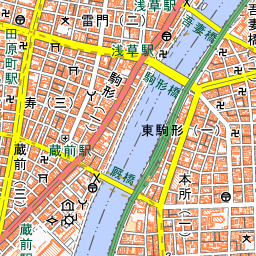
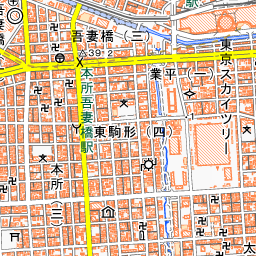
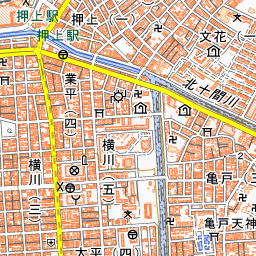
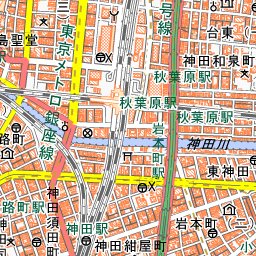
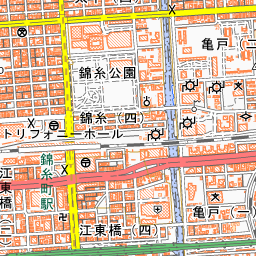
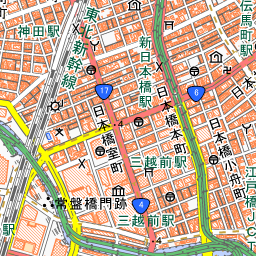
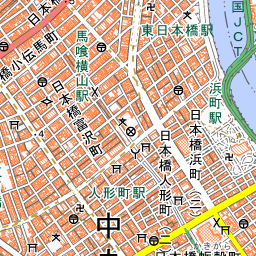
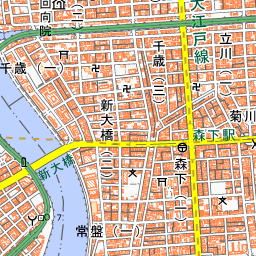
It is about a 3-minute walk from the West Exit of JR Sobu Line's Ryogoku Station. The grounds feature rows of monuments, including a memorial tower for the Great Fire of Meireki and a ship-shaped memorial tower for maritime disasters. Honjo Matsuzakacho Park is located about 200 meters to the east, and Ryogoku Kokugikan is about 410 meters to the north. For the history of the Kokugikan following the era of Eko-in Sumo, please refer to the description of Ryogoku Kokugikan.




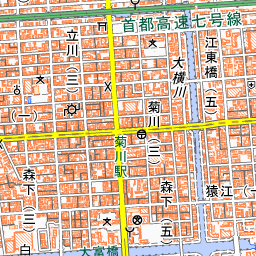
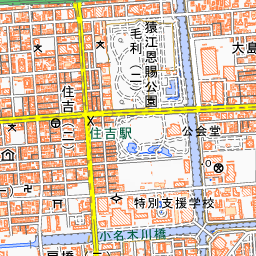
Spot location © OpenStreetMap contributors (ODbL)
Open in Google MapsGuides that include this spot (1)
Use asobot while you walk
- See where you are on the map and find spots nearby
- Listen to the guide's audio in course order, one after another (with subtitles)
- Walk to the next spot while following the map
Open on your phone
Scan to open this spot in asobot on your phone.