 ✨ AI Generated
Toshodai-ji Temple
Japanese: 唐招提寺
Nara City, Nara
This information was written by AI and may contain mistakes. Please check official sources for opening hours, fees, and other details before you go.
Found a mistake? Let us know with “✏️ Something's wrong” on this spot's screen in asobot →
🎧 Audio guide(1:01)
In short
Toshodai-ji Temple is the head temple of the Ritsu sect of Buddhism, founded in 759 by the eminent Tang Chinese monk Ganjin. The Golden Hall (Kondo) and Lecture Hall (Kodo), both built in the Nara period, still stand today and are registered as a World Heritage site as part of the "Historic Monuments of Ancient Nara." The Miei-do Hall houses the seated statue of Monk Ganjin, a National Treasure regarded as Japan's oldest portrait sculpture.
- Golden Hall (Kondo): Standing directly in front after passing through the Nandaimon gate, this National Treasure building retains its appearance from its founding in the late 8th century.
- Lecture Hall (Kodo): The only surviving structure that preserves the traces of Heijo Palace, relocated and modified from the palace's Higashi Choshuden.
- Sites Related to Ganjin: In the quiet, recessed northeastern area of the temple grounds lies Kaisan Gobyo, the mausoleum of Ganjin.
History and Highlights
Toshodai-ji Temple is the head temple of the Ritsu sect. It was founded by the eminent Tang monk Ganjin. On his journey to Japan, Ganjin suffered multiple shipwrecks and lost his eyesight, finally arriving in Japan on his sixth attempt. After spending five years at Todai-ji Temple, he was granted the former residence site of Prince Niitabe, where in 759 he opened a training center for those studying the Buddhist precepts.
Initially, it was Ganjin's private temple named "Toritsu Shodai," consisting merely of a lecture hall and structures such as a sutra repository (kyozo) and treasure house (hozo) remodeled from Prince Niitabe's former residence. The Golden Hall is said to have been completed in the late 8th century through the efforts of Ganjin's disciple, Nyoho.
From the middle of the Heian period, the temple's influence waned, but during the Kamakura period, Kakujo, regarded as the restorer of the temple, propagated the precepts. In the Edo period, hall repairs were conducted under the patronage of the Shogun Tokugawa Tsunayoshi and Keishoin. In 1998, it was inscribed as a World Heritage site as one of the "Historic Monuments of Ancient Nara."
Viewing and Experience Points
- Golden Hall (Kondo): A large hipped-roof (yosemune-zukuri) hall standing directly in front after passing through the Nandaimon gate, designated as a National Treasure. The front colonnade bay is open-air, with no walls or doors. Inside the hall, a seated statue of Rushana Buddha is enshrined as the principal image in the center, flanked by a standing statue of Yakushi Nyorai on the right and a standing statue of the Thousand-Armed Kannon on the left—all designated as National Treasures. The Thousand-Armed Kannon stands 5.36 meters tall and possesses a total of 953 arms, large and small.
- Lecture Hall (Kodo): A building relocated and modified from the Higashi Choshuden of Heijo Palace. While its current appearance is said to be largely due to modifications made during the Kamakura period, it is precious as the only building that retains traces of Heijo Palace from the Tenpyo era. The principal image is a seated statue of Miroku Nyorai from the Kamakura period.
- Kaisan Gobyo and Basho Haiku Monument: The Miei-do Hall houses the seated statue of Monk Ganjin, a National Treasure regarded as Japan's oldest portrait sculpture. In a quiet, recessed spot in the northeastern corner of the grounds lies Kaisan Gobyo, Ganjin's mausoleum. In front of the mausoleum are planted Chinese snowball viburnum (keika) gifted from Ganjin's hometown of Yangzhou. To the north of the Higashimuro, there is a monument inscribed with a haiku composed by Matsuo Basho when he viewed the seated statue of Monk Ganjin in 1688: "Wakaba shite on-me no shizuku nuguwabaya" (With fresh young leaves, how I wish to wipe the tears from your eyes).
Tips for Exploring
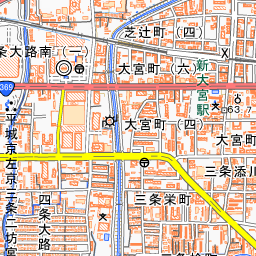
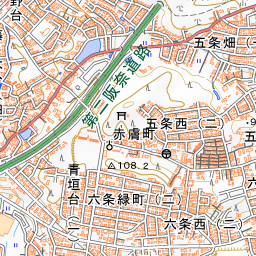
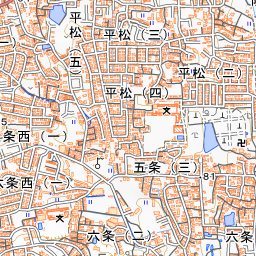
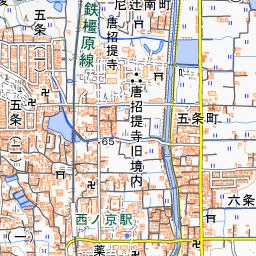
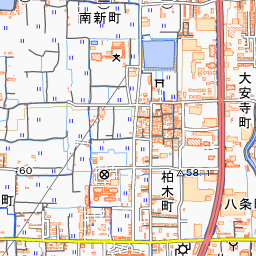
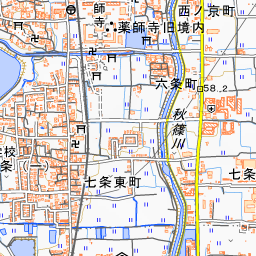
It is about a 10-minute walk from Kintetsu Nishinokyo Station. There are also Nara Kotsu bus stops named "Toshodaiji" and "Toshodaiji Higashiguchi." Passing through the Nandaimon gate, the Golden Hall comes into view directly ahead. It is recommended to stand before the hall and appreciate the line of pillars from the front. In summer, lotus blossoms bloom in the temple pond, and in September, white and pale-pink bush clover (hagi) flowers bloom. Yakushi-ji Temple is about 800 meters to the south, and the Mausoleum of Emperor Suinin is about 590 meters to the northwest, both accessible on foot.
Spot location © OpenStreetMap contributors (ODbL)
Open in Google MapsGuides that include this spot (2)
Use asobot while you walk
- See where you are on the map and find spots nearby
- Listen to the guide's audio in course order, one after another (with subtitles)
- Walk to the next spot while following the map
Open on your phone
Scan to open this spot in asobot on your phone.