 ✨ AI Generated
Asukayama Park
Japanese: 飛鳥山公園
Kita City, Tokyo
This information was written by AI and may contain mistakes. Please check official sources for opening hours, fees, and other details before you go.
Found a mistake? Let us know with “✏️ Something's wrong” on this spot's screen in asobot →
🎧 Audio guide(1:02)
In short
Asukayama Park is located right next to JR Oji Station and is widely known as a famous cherry blossom viewing spot. The eighth shogun, Tokugawa Yoshimune, planted cherry trees here and opened the area for the recreation of the common people of Edo, leading it to be called what could be considered Japan's first park. In 1873, it was designated as one of the country's first urban parks.
- One of Tokyo's Leading Cherry Blossom Spots: More than 600 cherry trees are planted here. In addition to Somei Yoshino, visitors can enjoy double-flowered cherry blossoms such as "Gyoiko," which features pale green flowers.
- Asukayama Monument: A stone stele honoring the achievements of Yoshimune, standing near the center of the park. It is known for its difficult-to-read inscription.
- Asukargo and Displayed Vehicles: You can reach the top of the hill via "Asukargo," a monorail resembling a snail. A steam locomotive and a Toden streetcar are also on display within the grounds.
History and Highlights
Asukayama Park is a park created on Asukayama, a hill located right by Oji Station in Kita City, Tokyo. The elevation of the hill is 25.4 meters.
During the Edo period, the representative destination for cherry blossom viewing was Kan'ei-ji Temple in Ueno. However, as sightseers increased, overcrowding became severe. Therefore, by order of Tokugawa Yoshimune to create a new cherry blossom spot outside of Ueno, a total of 1,270 cherry trees were planted between 1720 and 1721 (Kyoho 5 to 6). In 1737 (Genbun 2), when the cherry trees had grown large, the Asukayama Monument was erected on top of the hill.
Yoshimune opened Asukayama for the leisure of Edo's common people, and it is said to be what could be considered Japan's first park. People of Edo visited the spacious Asukayama for recreation. During flower viewing, the game of kawarake-nage (earthenware throwing) became popular. It was a simple amusement of throwing unglazed ceramic saucers from the top of the cliff. Hiroshige also depicted the northward view from Asukayama in his woodblock prints (nishiki-e).
In 1873, it was designated as one of Japan's first urban parks. Later, in 1901, Shibusawa Eiichi established his main residence here. Today, the park grounds still house three museums—the Kita City Asukayama Museum, the Paper Museum, and the Shibusawa Memorial Museum—as well as the Bankoro cottage from the former Shibusawa Garden. For more details on each, please refer to their respective guide pages.
Highlights for Viewing and Experiencing
- Cherry Blossoms and Hydrangeas: More than 600 cherry trees are planted within the grounds, making it one of the leading cherry blossom viewing spots in Tokyo. In spring, in addition to Somei Yoshino, visitors can enjoy double-flowered cherry varieties like "Gyoiko" with its pale green blossoms and "Fukurokuju" with its large, light reddish-purple petals. Along the JR train tracks on the path called Asuka no Komichi, hydrangeas bloom.
- Exploring the Stone Monuments: The Asukayama Monument is a Tokyo Designated Tangible Cultural Property. Its inscription, renowned for being difficult to decipher, praises Yoshimune's achievements in turning Asukayama into a public pleasure ground. The Sakura no Fu Monument was created based on the remaining calligraphy of Sakuma Shozan's "Sakura no Fu" (Ode to Cherry Blossoms) at the wish of Katsu Kaishu.
- Vehicles and Train Views: Steam locomotive D51 No. 853 and Toden 6080, a streetcar that ran on the adjacent Arakawa Line until April 1978, are preserved and on display, and visitors can go inside the carriages. From the deck of the observation plaza, Shinkansen bullet trains and local trains can be viewed clearly.
Walking Tips
Exit JR Oji Station from the Central Exit and head toward the park side, and you will immediately see the Park Entrance Station of the "Asuka Park Rail." Riding this self-propelled monorail, nicknamed "Asukargo" because it looks like a snail, will bring you to the Summit Station in about 2 minutes. It is also accessible for wheelchairs and strollers.
On the hill, take a look at the Asukayama Monument near the center of the park, and then enjoy watching the trains from the observation plaza. In the play area, there is a three-story castle play structure over 7 meters tall, a sandbox, and swings, making it easy to spend time with children. During the hydrangea season, walking along Asuka no Komichi on your way back lets you enjoy the flowers blooming alongside the railway tracks.
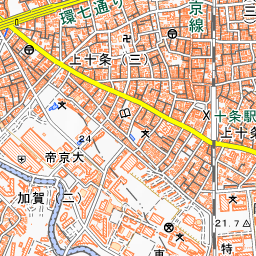
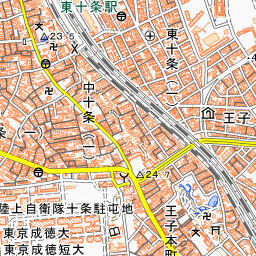
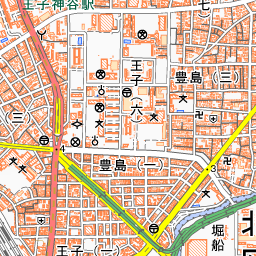
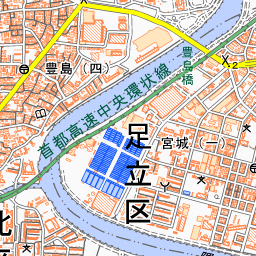
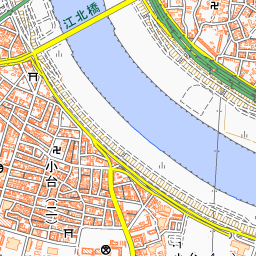
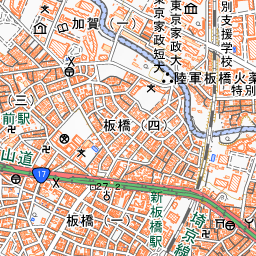
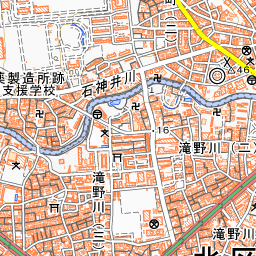
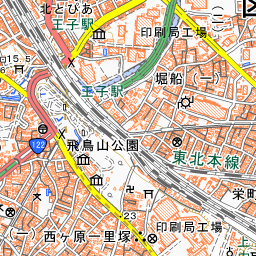
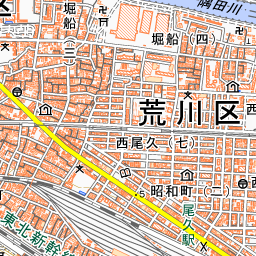
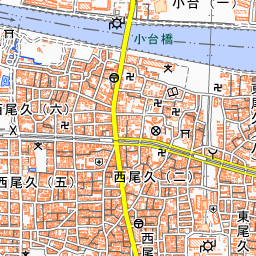
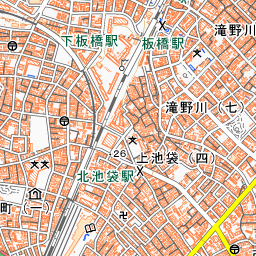
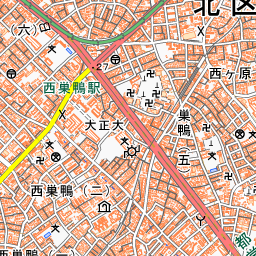
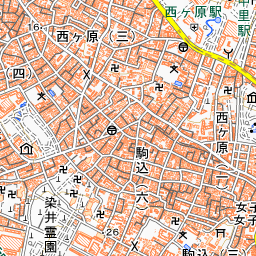
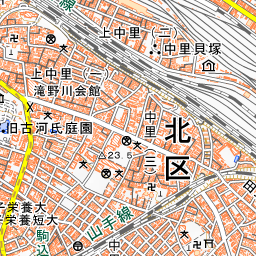
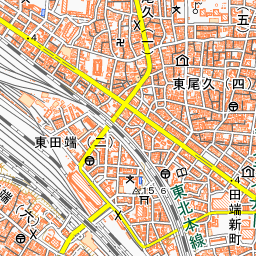
Spot location © OpenStreetMap contributors (ODbL)
Open in Google MapsGuides that include this spot (1)
Use asobot while you walk
- See where you are on the map and find spots nearby
- Listen to the guide's audio in course order, one after another (with subtitles)
- Walk to the next spot while following the map
Open on your phone
Scan to open this spot in asobot on your phone.