 ✨ AI Generated
Ikasuri-jinja Shrine
Japanese: 坐摩神社
Chuo Ward, Osaka
This information was written by AI and may contain mistakes. Please check official sources for opening hours, fees, and other details before you go.
Found a mistake? Let us know with “✏️ Something's wrong” on this spot's screen in asobot →
🎧 Audio guide(1:12)
In short
An ancient shrine in Kyutaromachi, Chuo Ward, Osaka City, affectionately known by the nickname "Zama-san" and revered as the guardian deity (ujigami) of Senba. Five deities, including Ikui no Kami, are collectively referred to as Ikasuri no Okami, and they are revered as guardians of residence, travel safety, and safe childbirth. Land relocation was ordered upon Toyotomi Hideyoshi's construction of Osaka Castle, and the shrine moved to its current location during the Kanei era. The current location being named Watanabe also comes from the transfer of the former place name, and the shrine is considered the birthplace of surnames nationwide such as Watanabe and Watabe.
- White Egret Shrine Crest: The shrine crest is the "Sagimaru," modeled after a white egret. It is associated with the lore that Empress Jingu chose a place on Taminoshima where white egrets flocked to pine branches to enshrine the Ikasuri deities
- Monument of the Birthplace of Kamigata Rakugo Theaters: Katsura Bunji I is said to have opened a permanent yose (vaudeville theater) for the first time at this shrine, and a stone monument marking the "Birthplace of Kamigata Rakugo Yose" stands within the precinct
- Toki-jinja Shrine and the Setomono Festival: The Setomono Festival of Hibuse Toki-jinja Shrine within the grounds is a festival passed down by an association (ko) of ceramic merchants, centered on prayers for fire prevention and memorial services for tea bowls
History and Highlights
Ikasuri-jinja Shrine is an ancient shrine located in Kyutaromachi, Chuo Ward, Osaka City. Affectionately known by the nickname "Zama-san," it is the guardian deity (ujigami) of Senba. Five deities, including Ikui no Kami, are collectively referred to as Ikasuri no Okami. While there are various theories regarding the origin of the word "ikasuri," it is said to derive from "ikashiri," meaning to protect the land and dwelling, and the deities are revered as guardians of residence, travel safety, and safe childbirth.
There are various theories about its founding, but it is considered to have begun when Empress Jingu, upon returning from Silla, enshrined the deities on the south bank of the Yodo River, in an area later known as Watanabe, around what is now Kokumachi west of Tenmabashi. In the Engishiki of the Heian period, it was recorded as the only grand shrine (taisha) in Nishinari District of Settsu Province.
Land relocation was ordered upon Toyotomi Hideyoshi's construction of Osaka Castle, and the shrine moved to its current location during the Kanei era. The current location being named Watanabe also comes from the transfer of the former place name, and it is considered the birthplace of surnames nationwide such as Watanabe and Watabe. In Kokumachi, handed down as the old shrine grounds, an angu (temporary shrine / otabisho) still stands today. Although the shrine pavilions burned down in the war damage of 1945 (Showa 20), they were restored in reinforced concrete in their prewar form in 1959 (Showa 34).
Highlights and Experiences
- Egrets Shrine Crest: The shrine crest (shinmon) is the "Sagimaru," modeled after a white egret. It is associated with the lore that Empress Jingu chose a place on Taminoshima where white egrets flocked to pine branches to enshrine the Ikasuri deities.
- Monument of the Birthplace of Kamigata Rakugo Theaters: Katsura Bunji I is said to have opened a permanent yose (vaudeville theater) for the first time at this shrine, and a stone monument marking the "Birthplace of Kamigata Rakugo Yose" stands within the precinct.
- Toki-jinja Shrine and the Setomono Festival: The Setomono Festival of Hibuse Toki-jinja Shrine within the grounds is a festival passed down by an association (ko) of ceramic merchants. Centered on prayers for fire prevention and memorial services for tea bowls (chawan kuyo), it is said to have originated as a Jizo-e festival in Setomono-cho during the Empo era.
Walking Tips
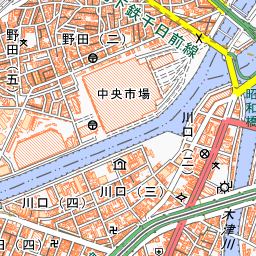
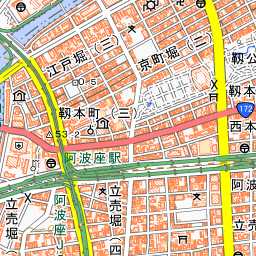
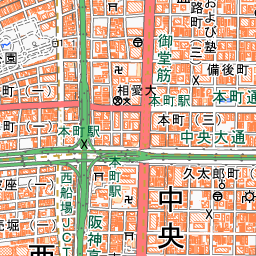
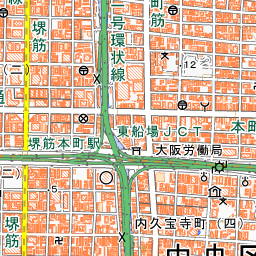
From Exit 15 of Hommachi subway station, turn left at the first corner to the west and walk for 3 minutes. A mitsu-torii (triple torii gate) stands at the entrance, and within the grounds, Seni-jinja Shrine is also enshrined, praying for the development of Senba's textile district. Together with Sukunahikona-jinja Shrine about 1.1 kilometers to the northeast, visitors can tour shrines in the city.
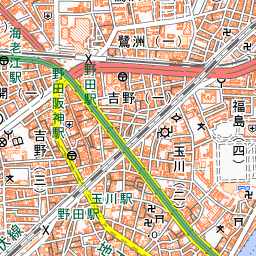
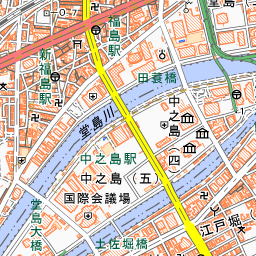
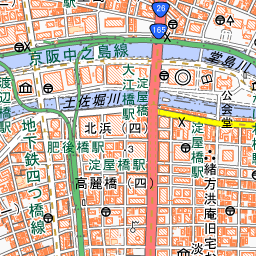
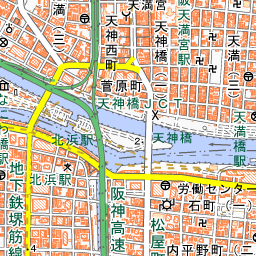

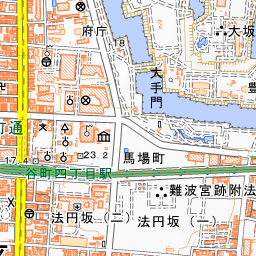

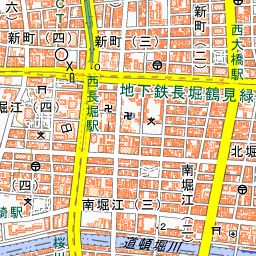
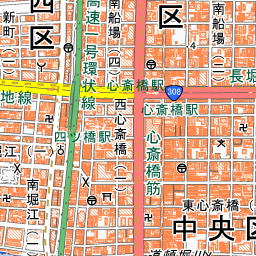
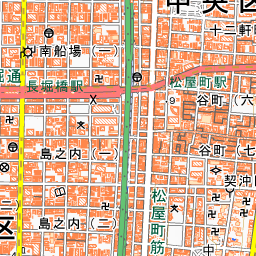
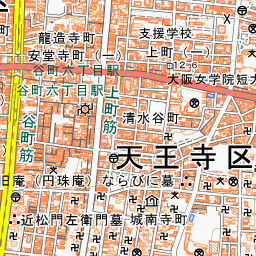
Spot location © OpenStreetMap contributors (ODbL)
Open in Google MapsUse asobot while you walk
- See where you are on the map and find spots nearby
- Listen to the guide's audio in course order, one after another (with subtitles)
- Walk to the next spot while following the map
Open on your phone
Scan to open this spot in asobot on your phone.