 ✨ AI Generated
Gion Shirakawa
Japanese: 祇園白川
Higashiyama Ward, Kyoto
This information was written by AI and may contain mistakes. Please check official sources for opening hours, fees, and other details before you go.
Found a mistake? Let us know with “✏️ Something's wrong” on this spot's screen in asobot →
🎧 Audio guide(1:10)
In short
Gion Shirakawa is the Gion Shinbashi neighborhood along the Shirakawa River, which flourished from the middle of the Edo period as a teahouse town in front of Yasaka-jinja Shrine. In 1976 (Showa 51), it was designated a national Important Preservation District for Groups of Traditional Buildings under the name "Kyoto City Gion Shinbashi," and its teahouse-style machiya townhouses blend with the flow of the Shirakawa River, the stone pavements, and the cherry blossom trees to create a traditional atmosphere.
- Riverside Teahouse Streetscape: Along the Shirakawa River, two-story machiya townhouses show their rear sides, while on the side facing Shinbashi-dori Street, teahouse-style townhouses stand row upon row, allowing you to walk while comparing the two different aspects—front and back
- Tatsumi-bashi Bridge and Tatsumi Daimyojin Shrine: Tatsumi-bashi Bridge is an iconic photo spot of Gion Shirakawa, and the teahouses with Kyoto-style wooden latticework (kyo-goushi) and the torii gate of Tatsumi Daimyojin Shrine also help form the scenic view of this area
- Kanikakuni Monument: A monument inscribed with a poem composed in 1910 (Meiji 43) by the poet Yoshii Isamu: "Kanikakuni Gion wa kohishi nuru toki mo makura no shita o mizu no nagaruru" ("In one way or another, I yearn for Gion; even as I sleep, water flows beneath my pillow"). Every year on November 8, the Kanikakuni Festival is held
History and Highlights
Gion Shirakawa refers to the Gion Shinbashi neighborhood along the Shirakawa River, lined with traditional wooden townhouses, which flourished from the middle of the Edo period as a teahouse town in front of Yasaka-jinja Shrine. It is said that the name Shirakawa (White River) comes from the riverbed's white sand, as the river basin's geology is predominantly granite.
Gion began as a town serving worshippers at Gion-sha Shrine, and during the Edo period, theaters for plays and ningyo joruri (puppet theater) sprang up. This area originated in 1712 (Shotoku 2) when it was opened as a teahouse district known as Gion's inner six neighborhoods, and it flourished from the end of the Edo period to the early Meiji period through its deep ties with the performing arts. In 1976 (Showa 51), it was designated a national Important Preservation District for Groups of Traditional Buildings under the name "Kyoto City Gion Shinbashi" as a teahouse district. Even today, high-quality, refined teahouse-style machiya townhouses stand in neat rows, blending with the beautiful flow of the Shirakawa River, stone pavements, and cherry blossom trees to create a traditional atmosphere.
Sights and Highlights
- Riverside Teahouse Streetscape: Along the Shirakawa River, two-story machiya townhouses showing their rear sides stand side by side, harmonizing with the flow of the river and the surrounding trees. On the side facing Shinbashi-dori Street, teahouse-style townhouses stand row upon row, allowing you to walk while comparing the two different aspects—front and back.
- Tatsumi-bashi Bridge and Tatsumi Daimyojin Shrine: Tatsumi-bashi Bridge spanning the Shirakawa River is an iconic photo spot of Gion Shirakawa and has served as a filming location for numerous movies and TV dramas. The teahouses with Kyoto-style wooden latticework (kyo-goushi) and the torii gate of Tatsumi Daimyojin Shrine also help form the scenic view of this area.
- Kanikakuni Monument: Along the banks of the Shirakawa River stands a monument inscribed with a poem composed in 1910 (Meiji 43) by Yoshii Isamu, a waka poet who deeply loved Gion: "Kanikakuni Gion wa kohishi nuru toki mo makura no shita o mizu no nagaruru" ("In one way or another, I yearn for Gion; even as I sleep, water flows beneath my pillow"). At that time, teahouses lined both banks of the Shirakawa River with their rearmost rooms jutting slightly over the water, and this poem captures that scene. The monument was erected by his friends on November 8, 1955 (Showa 30) to celebrate his 70th birthday (koki), and every year on November 8, the Kanikakuni Festival is held as an event of Gion Kobu.
Walking Tips
It is about a 3-minute walk from Gion-Shijo Station on the Keihan Railway, and also about a 3-minute walk from the "Shijo Keihan-mae" city bus stop. Hanamikoji-dori Street is about 80 meters to the northeast, Minamiza Theatre is about 300 meters to the southwest, and Yasaka-jinja Shrine is about 410 meters to the southeast. In Gion Shinbashi, issues regarding litter and visitor manners have become local concerns. Please do not follow or photograph geiko and maiko without permission, and do not enter or take photos in private areas such as storefronts, while walking with respect and consideration for the local residents.

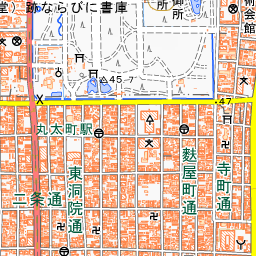


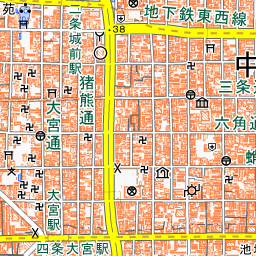

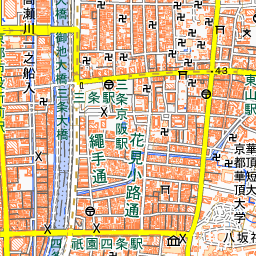


Spot location © OpenStreetMap contributors (ODbL)
Open in Google MapsGuides that include this spot (1)
Use asobot while you walk
- See where you are on the map and find spots nearby
- Listen to the guide's audio in course order, one after another (with subtitles)
- Walk to the next spot while following the map
Open on your phone
Scan to open this spot in asobot on your phone.