 ✨ AI Generated
Kozukappara Eko-in Temple
Japanese: 小塚原回向院
Arakawa City, Tokyo
This information was written by AI and may contain mistakes. Please check official sources for opening hours, fees, and other details before you go.
Found a mistake? Let us know with “✏️ Something's wrong” on this spot's screen in asobot →
🎧 Audio guide(1:05)
In short
Kozukappara Eko-in Temple is a Jodo sect Buddhist temple located in Minami-Senju. During the Edo period, the Kozukappara execution grounds were situated in this area. In 1667, Eko-in Temple in Honjo established this branch temple to hold memorial services for prisoners who died in custody and those who were executed. It is known for the graves of figures such as Yoshida Shoin and Hashimoto Sanai, who were executed during the Ansei Purge, as well as the Kanzo Kinenhi (Memorial to Dissection Observation) associated with the medical text Kaitai Shinsho.
- Grave Markers of Late Edo Period Patriots: Grave markers for figures including Yoshida Shoin and Hashimoto Sanai stand in the historic gravesite area.
- Memorial to Dissection Observation (Kanzo Kinenhi): Located to the right of the main hall entrance, this monument commemorates the observation of a dissection here by Sugita Genpaku and his colleagues.
- Graves of Edo and Meiji Figures: The grounds also contain graves of individuals such as Nezumi Kozo Jirokichi, Kataoka Naojiro, and Takahashi Oden.
History and Highlights
Kozukappara Eko-in Temple is a Jodo sect temple in Minami-Senju. During the Edo period, this area was called Kozukappara and, along with Suzugamori in Shinagawa, served as an execution site.
From the Manji era, Eko-in Temple in Honjo had been holding memorial services for souls without surviving relatives, such as prisoners who died in jail and people who died on the road. Because its grounds became too small, the temple acquired the execution grounds as its property in 1667 and established a branch temple, marking its beginning. It is said that over 200,000 people were buried here during the more than 220 years following its founding.
Beginning in 1822, political offenders were also buried here. The graves of Yoshida Shoin, Hashimoto Sanai, and others executed in the Ansei Purge are located here. Following pardons and the start of the Meiji period, the remains of these patriots were reinterred at their family temples and other locations. The grave markers remaining here are memorial monuments. In 1863, Yoshida Shoin was reinterred at the site of what is now Shoin-jinja Shrine in Wakabayashi, Setagaya Ward.
In 1771, Sugita Genpaku, Maeno Ryotaku, Nakagawa Jun'an, and others observed a dissection at this site. It is said that this event prompted them to translate the Dutch anatomy book Tafel Anatomia and publish Kaitai Shinsho (New Book of Anatomy).
Highlights and Tips
- Grave Markers of Late Edo Period Patriots: In the historic gravesite area, renovated in 2006, stand the grave markers of Yoshida Shoin, Hashimoto Sanai, and others. The grave of Rai Mikisaburo is also here. While Hashimoto Sanai's remains were reinterred in the Hashimoto family cemetery in Fukui Prefecture, his gravestone was relocated here in 1893.
- Memorial to Dissection Observation (Kanzo Kinenhi): A monument located to the right of the entrance to the main hall. It was erected marking this location as the birthplace of modern Japanese medicine, because the observation of a dissection here led to the translation of Kaitai Shinsho. The original monument from 1922 was destroyed by war damage; it was rebuilt by moving over only the bronze plaque depicting the frontispiece of Kaitai Shinsho.
- Graves of Edo and Meiji Figures: There are also graves of figures such as Nezumi Kozo Jirokichi, known as a famous thief of the Edo period, Kataoka Naojiro from the late Tokugawa shogunate, and Takahashi Oden from the early Meiji period.
Walking Tips
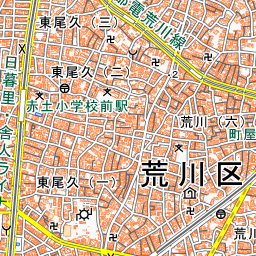
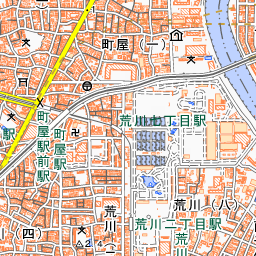
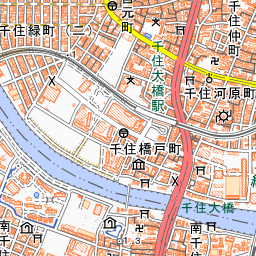
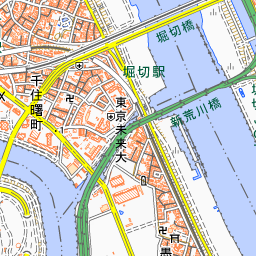
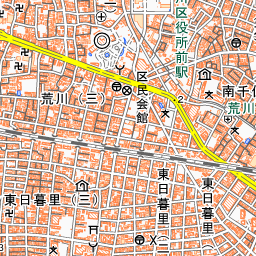
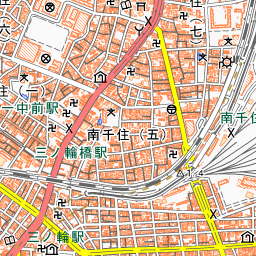
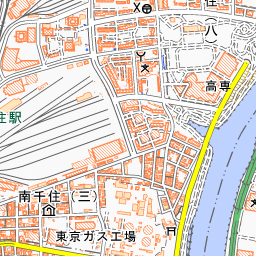
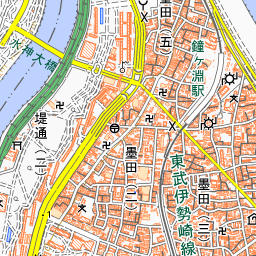
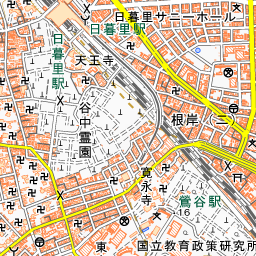
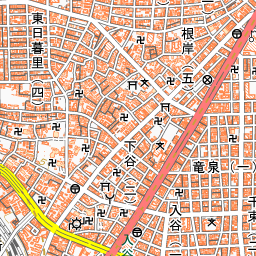
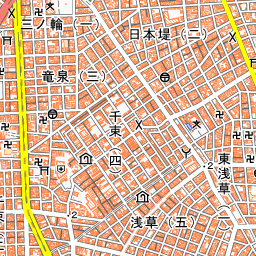
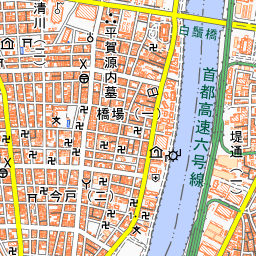
Located along Kotsu-dori Street, the temple is about a 2-minute walk from Minami-Senju Station on the JR Joban Line and Tokyo Metro Hibiya Line. The current main hall is a reinforced concrete structure rebuilt in 1974. The Kozukappara execution site has been designated a historic site by Arakawa Ward. Some of the ward's cultural properties here are not open to the public. To the south, on the grounds of Enmei-ji Temple, stands the Kubikiri Jizo, built to pray for the souls of those who died without surviving kin. Susanoo-jinja Shrine is also within walking distance, located about 560 meters to the north-northwest.



Spot location © OpenStreetMap contributors (ODbL)
Open in Google MapsUse asobot while you walk
- See where you are on the map and find spots nearby
- Listen to the guide's audio in course order, one after another (with subtitles)
- Walk to the next spot while following the map
Open on your phone
Scan to open this spot in asobot on your phone.