 ✨ AI Generated
Inabuchi Rice Terraces
Japanese: 稲渕の棚田
Asuka Village, Nara
This information was written by AI and may contain mistakes. Please check official sources for opening hours, fees, and other details before you go.
Found a mistake? Let us know with “✏️ Something's wrong” on this spot's screen in asobot →
🎧 Audio guide(1:13)
In short
The Inabuchi Rice Terraces are terraced paddy fields spread across the mountainous interior of Asuka Village, selected as one of Japan's Top 100 Terraced Rice Fields. Reclaimed during the medieval period, more than 300 paddy fields and dry fields strongly retain the original rural landscape. They are also known for the cluster amaryllis (red spider lilies) blooming on the ridges and embankments in autumn; the area is said to be one of the premier native habitats in the prefecture.
- Asakaze Pass Rice Terrace Observation Deck: Located at the end of the Kakashi (Scarecrow) Road, offering a panoramic view of the Inabuchi Rice Terraces.
- Kakashi Road: In September, the annual Scarecrow Contest is held, and scarecrows submitted by the public line both sides of the agricultural path.
- Ozuna: A sacred rope hung across the Asuka River and the road; it is said to be a Shinto ritual to ward off epidemics and protect the residents.
History and Highlights
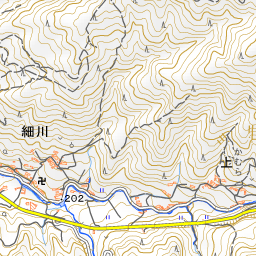
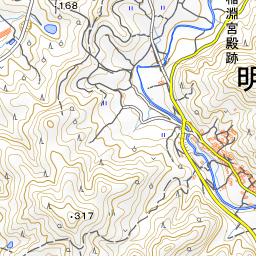
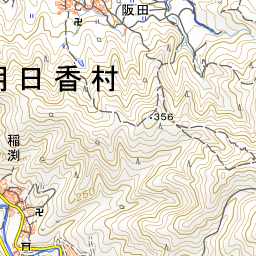
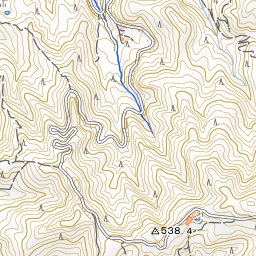
The Inabuchi Rice Terraces are situated in the mountainous area of Oku-Asuka, spreading along the left bank of the Asuka River. The right bank is a residential area where people live. Reclaimed between the Heian and Muromachi periods, more than 300 paddy fields and dry fields still strongly preserve the original rural scenery today. The fields are spread between altitudes of 140 meters and 180 meters, on steep slopes with an average gradient of one-seventh.
In 1999 (Heisei 11), they were selected by the Ministry of Agriculture, Forestry and Fisheries as one of Japan's Top 100 Terraced Rice Fields under the registered name "Kannabi no Sato Inabuchi." In 2011 (Heisei 23), they were also designated as an Important Cultural Landscape of Japan as the "Cultural Landscape of Oku-Asuka."
This landscape is maintained by human hands. The NPO "Association for Creating the Future of Asuka," organized by local residents, operates a terraced rice field ownership system. Under the guidance of instructors, participants experience rice cultivation including seed sowing, rice planting, and harvesting. In small paddies where agricultural machinery cannot operate, puddling (shirokaki) is carried out manually using hoes.
A ritual called Tsunakake Shinji is also passed down in Inabuchi. A rope is strung across the Asuka River and the road, and the rope in Inabuchi is called the Ozuna (male rope). It is said to be a ritual to pray for the prosperity of descendants and bountiful harvests, to prevent epidemics from entering via the river or road, and to protect the residents.
Viewing and Experience Highlights
- Asakaze Pass Rice Terrace Observation Deck: An observation platform located at the end of the Kakashi Road. From here, you can overlook the entire Inabuchi Rice Terraces.
- Scarecrows and Cluster Amaryllis: In September, a scarecrow contest with a different theme each year is held, and scarecrows line both sides of the agricultural road. A giant scarecrow about 6 meters tall remains standing for about a year even after the contest entries are removed. In autumn, cluster amaryllis bloom on the ridges and banks of the terraces, and it is regarded as one of the prefecture's foremost natural habitats. If the blooming period aligns, you can enjoy both the scarecrows and the cluster amaryllis together.
- Paddy Fields in Each Season: The terraces change their appearance with the seasons—canola flowers in spring, water-mirror-like paddies in early summer, the green of rice and mountains in summer, and golden rice ears in autumn.
Walking Tips
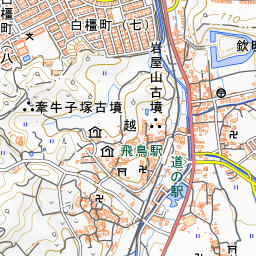
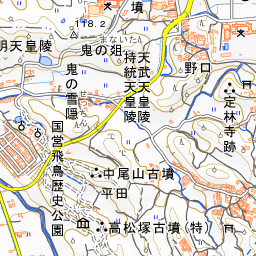
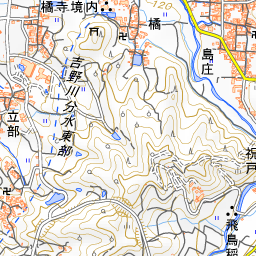
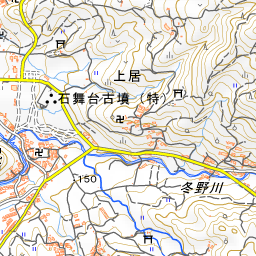
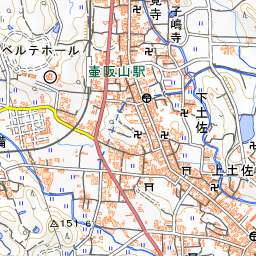
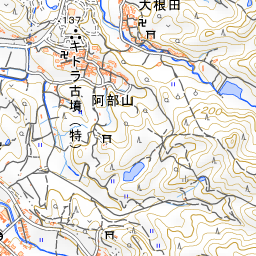
It is a 30-minute walk from the "Ishibutai" bus stop. The direction is south-southwest of the Ishibutai Kofun Burial Mound. The entrance to the Kakashi Road is located below the Kanjobashi Bridge over the Asuka River. While there are no special entry restrictions, entering the rice terraces without reason is against etiquette. For a longer walk, there is a route of about 5 kilometers starting from Asuka Station, passing through the Nakaoyama Kofun Burial Mound and Asakaze Pass to enter the rice terraces, viewing the Ozuna and the stepping stones (tobi-ishi), and heading toward the Ishibutai Kofun Burial Mound. The stepping stones are a stone bridge across the upper reaches of the Asuka River, which also appears in the Manyoshu.
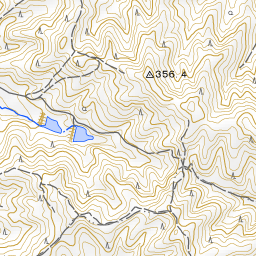
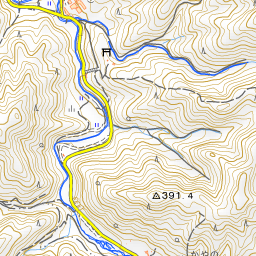
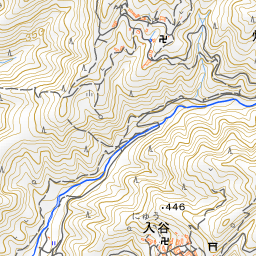
Spot location © OpenStreetMap contributors (ODbL)
Open in Google MapsGuides that include this spot (1)
Use asobot while you walk
- See where you are on the map and find spots nearby
- Listen to the guide's audio in course order, one after another (with subtitles)
- Walk to the next spot while following the map
Open on your phone
Scan to open this spot in asobot on your phone.