 ✨ AI Generated
Shinsenen Garden
Japanese: 神泉苑
Nakagyo Ward, Kyoto
This information was written by AI and may contain mistakes. Please check official sources for opening hours, fees, and other details before you go.
Found a mistake? Let us know with “✏️ Something's wrong” on this spot's screen in asobot →
🎧 Audio guide(1:01)
In short
A garden for the emperor, constructed in 794 (Enryaku 13) by Emperor Kanmu, where successive emperors held banquets. In 824 (Tencho 1), when the entire country suffered from drought, Kobo Daishi Kukai prayed at the edge of this pond, and according to legend, rain fell across the nation. It is now a temple belonging to the To-ji Shingon sect, and the entire grounds are designated as a National Historic Site.
- Hojoju Pond and Hojo Bridge: It is said that your wish will come true if you cross the vermilion-lacquered Hojo Bridge while holding a single wish in your heart, and then pay your respects at Zennyo Ryuo Shrine
- Origin of the Gion Matsuri Festival: In 869 (Jogan 11), 66 halberds (hoko), corresponding to the number of provinces throughout the country, were erected, and portable shrines were sent from Gion-sha to Shinsenen Garden to ward off evil. This later became the Gion Matsuri Festival
- Eho-sha Shrine: A shrine for worshipping Toshitokujin, who resides in the eho (the auspicious direction) of the year, and its direction is changed every year for enshrinement. Shinsenen Garden regards it as the only such shrine in Japan
History and Highlights
Shinsenen Garden is a garden for the emperor, constructed in 794 (Enryaku 13) by Emperor Kanmu as an imperial garden (kinen). Located adjacent to the southeast of the Daidairi (Great Imperial Palace) of Heian-kyo, it was a pond garden covering an area of 4 cho north to south and 2 cho east to west. It housed a large garden incorporating a large pond, springs, streams, and forests, as well as a palace centered around its main hall, the Kenrinkaku. Successive emperors held banquets here, and in 812 (Konin 3), Emperor Saga held the first "Hana no En no Sechi" (blossom banquet festival), hosting a gathering for cherry blossom viewing and poetry.
In 824 (Tencho 1), when the entire country suffered from drought, Kobo Daishi Kukai, under the order of Emperor Junna, prayed at the edge of this pond. According to legend, he summoned Zennyo Ryuo from Lake Anavatapta (Lake Munetsu) in northern India, bringing rain across the nation. In 869 (Jogan 11), 66 halberds (hoko), corresponding to the number of provinces throughout the country, were erected, and portable shrines were sent from Gion-sha—now Yasaka-jinja Shrine—to Shinsenen Garden to ward off evil. This later evolved into the Gion Matsuri Festival. The rain-making dance performed by the shirabyoshi dancer Shizuka Gozen is also handed down.
During the Edo period, when Tokugawa Ieyasu built Nijo Castle, the spring water of Shinsenen Garden was used for the castle's moats, resulting in the loss of the northern part of the grounds. Later, Shonin Kaiga and others restored the halls, reviving it as a temple under the jurisdiction of To-ji Temple. In 1935 (Showa 10), the entire grounds were designated as a National Historic Site, and it is now a temple belonging to the To-ji Shingon sect.
Points for Viewing and Experiencing
- Hojoju Pond and Hojo Bridge: The name of the pond, Hojoju Pond, originates from Kobo Daishi successfully completing his esoteric rituals to pray for rain. It is said that your wish will come true if you cross the vermilion-lacquered Hojo Bridge named after this while holding a single wish in your heart, and then pay your respects at Zennyo Ryuo Shrine.
- Zennyo Ryuo Shrine: A shrine enshrined on the island in the center of the pond, and it is said that Zennyo Ryuo resides within the pond. Rebuilt after being destroyed by fire in the Great Fire of Tenmei (1788), a ridgepole plaque (munafuda) indicating its reconstruction in 1813 (Bunka 10) was found during restorations of the main hall.
- Eho-sha Shrine: A shrine for worshipping Toshitokujin, who resides in the eho (the auspicious direction of the year), and its direction is changed every year for enshrinement. Shinsenen Garden regards it as the only such shrine in Japan.
Tips for Strolling
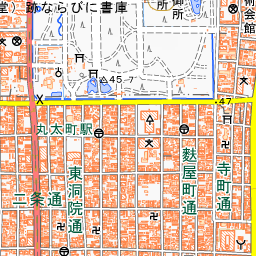
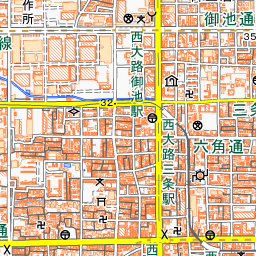
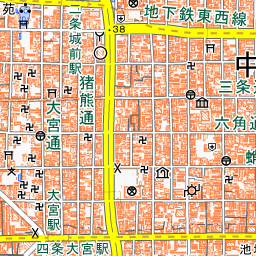
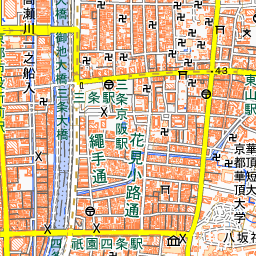
It is about a 2-minute walk from Nijojo-mae Station on the Subway Tozai Line, with Nijo Castle located immediately to the north. Ducks are kept in the pond, and visitors are advised not to feed them bread or snacks because the temple provides appropriate food for them. The Shinsenen Festival is held every year in May, and Shinsenen Kyogen is held in November.







Spot location © OpenStreetMap contributors (ODbL)
Open in Google MapsGuides that include this spot (1)
Use asobot while you walk
- See where you are on the map and find spots nearby
- Listen to the guide's audio in course order, one after another (with subtitles)
- Walk to the next spot while following the map
Open on your phone
Scan to open this spot in asobot on your phone.