 ✨ AI Generated
Mukojima-Hyakkaen Gardens
Japanese: 向島百花園
Sumida City, Tokyo
This information was written by AI and may contain mistakes. Please check official sources for opening hours, fees, and other details before you go.
Found a mistake? Let us know with “✏️ Something's wrong” on this spot's screen in asobot →
🎧 Audio guide(1:08)
In short
Mukojima-Hyakkaen Gardens was opened by the antique dealer Sahara Kikuu during the Bunka and Bunsei eras (1804–1830), a time when Edo's merchant and townsperson culture flourished. Centered on the appreciation of flowering plants, this "privately operated flower garden" is rich in refined literary taste and has an unpretentious, accessible atmosphere that differs from feudal lords' daimyo gardens. It has been designated a national Place of Scenic Beauty and Historic Site.
- Bush Clover Tunnel: A garden path where bush clover is trained along bamboo trellises, turning into a tunnel of flowers approximately 30 meters long in September.
- Seven Herbs and Seasonal Flora: Plum trees, bush clover, the seven herbs of spring and autumn, and more are grown here, and there are around 230 varieties of herbaceous plants.
- Traces of the Literati: A plaque inscribed by Shokusanjin hangs at the garden gate near the entrance, and 29 poem stones and stone pillars, including one inscribed with a haiku by Basho, stand throughout the grounds.
History and Highlights
Mukojima-Hyakkaen Gardens was created during the Bunka and Bunsei eras (1804–1830), when the merchant culture of Edo flourished. It was built by Sahara Kikuu, who had previously run an antique dealership. With the cooperation of Edo literati and artists with whom he associated, Kikuu opened a "privately operated flower garden" focusing on the enjoyment of flowering plants on the former estate site of the Taga clan, a hatamoto (direct retainer of the shogunate).
At the time of its opening, it featured mainly 360 plum trees, to the extent that it was called the "New Plum Estate" in contrast to the Plum Estate in Kameido. Subsequently, plants celebrated in Chinese and Japanese classics such as the Shijing (Classic of Poetry) and Man'yoshu—including Miyagino bush clover and Tsukuba silver grass—were gathered so that flowers would bloom throughout all four seasons. According to one theory, the name "Hyakkaen" (Garden of a Hundred Flowers) was derived from the ideas that "the plum blooms ahead of a hundred flowers" or that it is "a garden where a hundred seasonal flowers bloom in profusion." It is an unpretentious garden rich in literary taste, distinct from daimyo gardens such as Koishikawa Korakuen Gardens and Rikugien Gardens.
The garden continued to be privately managed until 1938, when it was donated to the City of Tokyo, and it was opened to the public the following year in 1939. Although it was destroyed by fire in the war, it was restored to its present form in 1958, and in 1978 it was designated a national Place of Scenic Beauty and Historic Site.
Highlights for Viewing and Experiencing
- Bush Clover Tunnel: A garden path where bush clover is trained along bamboo fences to form a tunnel, serving as a well-known feature of the garden. In September, it becomes a flower tunnel extending for about 30 meters.
- Seven Herbs and Seasonal Flora: Plum, bush clover, setsubunso (Eranthis pinnatifida), katakuri (Japanese fawn lily), and more are planted in the grounds, and there are about 230 types of herbaceous plants. Visitors can enjoy the seven herbs of spring, summer, and autumn, with the autumn herbs planted in association with a poem by Yamanoue no Okura. Offering baskets of the seven spring herbs is a custom dating back to the Meiji era, and they are presented to the Imperial Family every New Year.
- Traces of the Literati: Near the entrance, the garden gate features a plaque inscribed by Shokusanjin. Flanking both sides of it hang wooden boards inscribed by the poet Okubo Shibutsu reading "Flowers bloom without end in spring, summer, autumn, and winter" and "Guests vie to arrive from east, west, south, and north." A total of 29 poem stones and stone pillars, including one inscribed with a haiku by Basho, stand across the garden.
Strolling Tips
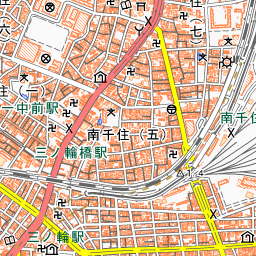
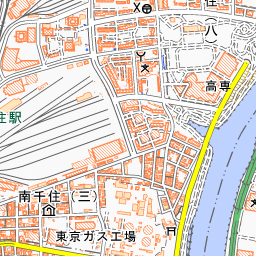
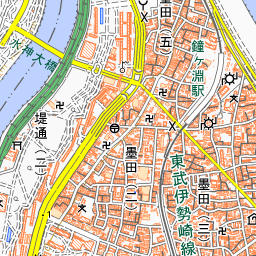
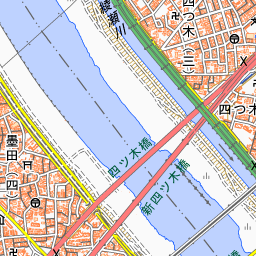
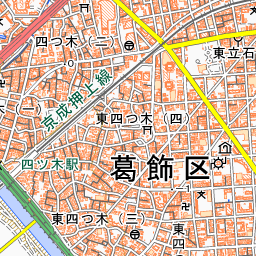
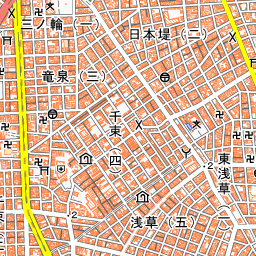
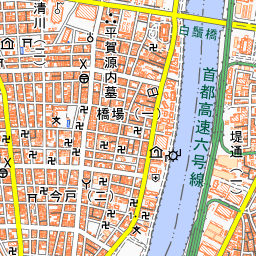
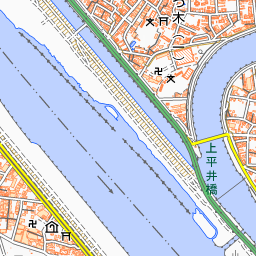
The garden is about a 4-minute walk from Higashi-Mukojima Station on the Tobu Line. About 360 meters to the east is the Tobu Museum. The New Year pilgrimage to the Sumida River Seven Lucky Gods is said to have been conceived by the literati who gathered at Mukojima-Hyakkaen Gardens. Fukurokuju, deeply revered by Sahara Kikuu, is enshrined within the grounds. Events continuing from the Edo period, such as the "Insect-Listening Gathering" and "Moon-Viewing Gathering," as well as the "Bush Clover Festival" timed with the peak blooming season, are held here. Located approximately 1.3 kilometers to the southwest, Mimeguri-jinja Shrine is also one of the stops on the Sumida River Seven Lucky Gods route.



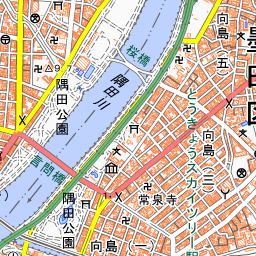
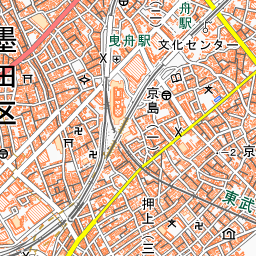
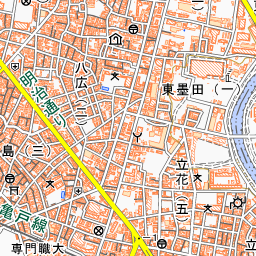
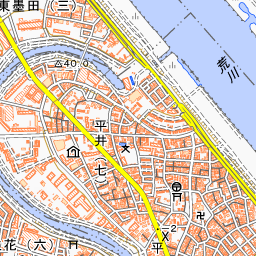
Spot location © OpenStreetMap contributors (ODbL)
Open in Google MapsGuides that include this spot (1)
Use asobot while you walk
- See where you are on the map and find spots nearby
- Listen to the guide's audio in course order, one after another (with subtitles)
- Walk to the next spot while following the map
Open on your phone
Scan to open this spot in asobot on your phone.