 ✨ AI Generated
Kyu-Yasuda Garden
Japanese: 旧安田庭園
Sumida City, Tokyo
This information was written by AI and may contain mistakes. Please check official sources for opening hours, fees, and other details before you go.
Found a mistake? Let us know with “✏️ Something's wrong” on this spot's screen in asobot →
🎧 Audio guide(1:04)
In short
Kyu-Yasuda Garden is a Sumida Ward municipal garden located in Ryogoku. It is said to have been constructed during the Genroku era by Honjo Inaba-no-kami Munesuke, and it was a tidal strolling pond garden (chisen kaiyushiki teien) that drew in water from the Sumida River. Designated as a Place of Scenic Beauty by the Tokyo Metropolitan Government, it is considered a representative garden of the Meiji period.
- Shinji-ike Pond: In the center of the garden is a pond shaped like the kanji character for "heart" (shin). Today, the tidal ebb and flow is reproduced by regulating the water level with pumps.
- Komadome-ishi Stone: According to tradition, this is the stone where a horse was tethered when inspecting the damage caused by a major flood of the Sumida River. It was also depicted in an ukiyo-e print by Katsushika Hokusai.
- Restoration from the Earthquake: Although it suffered catastrophic damage during the Great Kanto Earthquake, it was restored based on the remaining layout and rock arrangements.
History and Highlights
Kyu-Yasuda Garden is a municipal garden operated by Sumida Ward, located in Yokoami, Ryogoku. During the Genroku era, this land was granted as a secondary residence (shimoyashiki) to Honjo Inaba-no-kami Munesuke, who later became the lord of the Hitachi-Kasama Domain. The garden is said to have been built by Munesuke.
In the center of the garden is a pond shaped like the kanji character for "heart" (shin). Drawing water from the nearby Sumida River, it was once a tidal strolling pond garden where visitors could enjoy changing landscapes with the ebb and flow of the tide.
In the Meiji period, it became the residence of Ikeda Akimasa, the former feudal lord of the Bizen-Okayama Domain, and in 1891 (the 24th year of Meiji), it came into the possession of Yasuda Zenjiro I, founder of the Yasuda zaibatsu. Following Zenjiro's death, the residence and garden were donated to the City of Tokyo in 1922 (the 11th year of Taisho).
In the following year's Great Kanto Earthquake, the garden suffered catastrophic damage. Nevertheless, it was restored using the surviving layout and rock arrangements, and was named "Kyu-Yasuda Garden" after its donor. In 1927 (the 2nd year of Showa), it opened as the first free public garden in Tokyo funded by a private donation.
Management was transferred from the Tokyo Metropolitan Government to Sumida Ward in 1967 (the 42nd year of Showa), and in 1971 (the 46th year of Showa), it was restored to its celebrated historic appearance. In 1996 (the 8th year of Heisei), it was designated as a Place of Scenic Beauty by the Tokyo Metropolitan Government as a representative garden of the Meiji period.
Viewing and Experience Points
- Shinji-ike Pond and Tidal Flow: Although water from the Sumida River no longer flows into it directly, pumps regulate the water level to recreate the traditional ambiance. Around the pond, you will find stone revetments, a stone arched bridge (taikobashi), and stone lanterns.
- Komadome-ishi Stone: The Komadome-ishi Stone in the garden is said to have been used to tether a horse when inspecting flood damage from the Sumida River. You can still see this stone today, which was also depicted in an ukiyo-e print by Katsushika Hokusai.
- Aiming for the Garden's Early Showa Appearance: Sumida Ward maintains the garden primarily based on its appearance in 1936 (the 11th year of Showa). The greenery is also managed under a plan to restore the tree composition found in the early Showa period.
Walking Tips
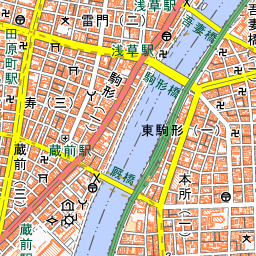
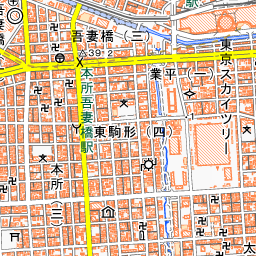
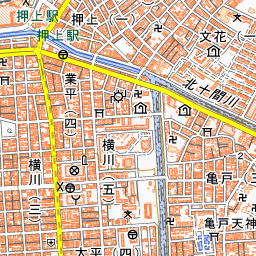
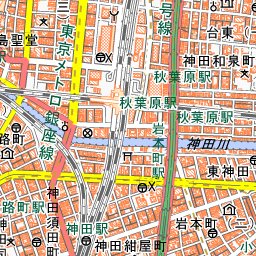
It is about a 5-minute walk from the West Exit of JR Sobu Line Ryogoku Station, and about a 7-minute walk from the Toei Oedo Line Ryogoku Station. Inside the garden grounds, there is a rest house called Shinji-tei. About 60 meters to the north stands The Japanese Sword Museum, which is adjacent to the garden. Ryogoku Kokugikan is about 150 meters to the south, and Edo-Tokyo Museum is about 300 meters to the southeast. It is also pleasant to take a walking tour around Ryogoku, visiting Yokoamicho Park (about 240 meters to the northeast) and The Sumida Hokusai Museum (about 650 meters to the east).




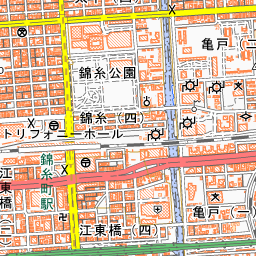
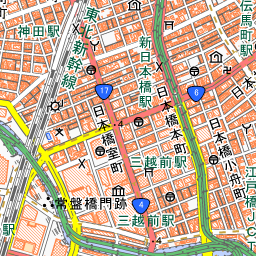
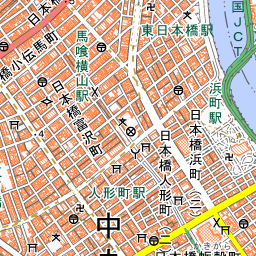
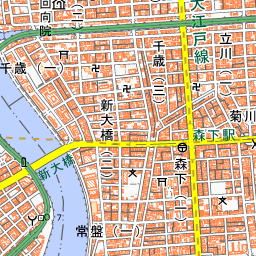
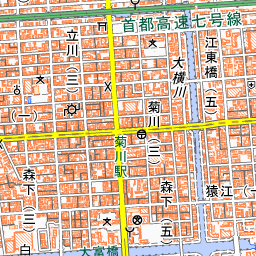
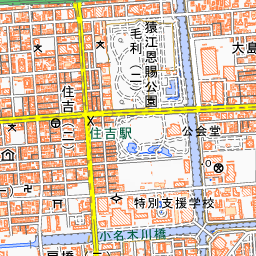
Spot location © OpenStreetMap contributors (ODbL)
Open in Google MapsGuides that include this spot (1)
Use asobot while you walk
- See where you are on the map and find spots nearby
- Listen to the guide's audio in course order, one after another (with subtitles)
- Walk to the next spot while following the map
Open on your phone
Scan to open this spot in asobot on your phone.