 ✨ AI Generated
Gekkeikan Okura Sake Museum
Japanese: 月桂冠大倉記念館
Fushimi Ward, Kyoto
This information was written by AI and may contain mistakes. Please check official sources for opening hours, fees, and other details before you go.
Found a mistake? Let us know with “✏️ Something's wrong” on this spot's screen in asobot →
🎧 Audio guide(0:56)
In short
Gekkeikan Okura Sake Museum is a facility that conveys the history of Gekkeikan, a sake brewing company in Fushimi, along with the sake brewing culture of Fushimi. It opened in 1982 (Showa 57) and uses a sake storehouse built in 1909 (Meiji 42).
- Sake Brewing Tools Exhibition: Wooden vats, sake barrels, stirring paddles (kai), and other "Sake Brewing Tools of Fushimi," designated as Tangible Folk Cultural Properties of Kyoto City, are on display
- The Well and Courtyard: The well inside the museum draws up underground water from beneath the Momoyama hills, and the celebrated spring water "Sakamizu" wells up in the courtyard
- Tasting Counter: At the end of the tour, visitors can enjoy sake tasting
History and Highlights
Gekkeikan Okura Sake Museum is a facility that conveys the history of Gekkeikan, a sake brewing company in Fushimi, along with the sake brewing culture of Fushimi. Gekkeikan traces its origins to 1637 (the 14th year of the Kan'ei era), when the first-generation Okura Jiemon opened a sake brewery in Fushimi under the shop name "Kasagiya" and named the sake "Tama no Izumi." The current name "Gekkeikan" began to be used in 1905 (the 38th year of the Meiji era).
The museum opened in 1982 (the 57th year of the Showa era) and utilizes a sake storehouse originally built in 1909 (the 42nd year of the Meiji era). The earthen floor at the entrance is paved with flagstones that once served as a rice washing area, and looking up at the ceiling reveals the timber roof framing assembled with Douglas fir beams, allowing visitors to sense the atmosphere of a traditional sake brewery. Inside, historical materials chronicling the brewery's journey since its founding are displayed, alongside the main items of the "Sake Brewing Tools of Fushimi," which were designated as Tangible Folk Cultural Properties of Kyoto City in 1985 (the 60th year of the Showa era).
Viewing and Experience Highlights
- Sake Brewing Tools Exhibition: In the North Exhibition Room, brewing tools designated as Tangible Folk Cultural Properties of Kyoto City, such as wooden vats, sake barrels, and stirring paddles (kai), are on display. The craftsmanship from the era when artisans brewed sake by hand can be appreciated through the shapes of these tools.
- The Well and Courtyard: The well inside the museum draws up underground water nurtured deep beneath the Momoyama hills. This clean water, low in iron and ideal for sake brewing, is used for brewing in the adjacent sake brewery. The celebrated spring water "Sakamizu" wells up in the courtyard, where fermentation vats were once lined up across the yard to dry in the sun.
- Uchigura Sake Brewery and Tasting Area: Situated across the courtyard, the Uchigura Sake Brewery is a storehouse built in 1906 (the 39th year of the Meiji era), where master brewers (toji) of the Tajima school brew sake using traditional methods. At the end of the tour, visitors can enjoy sake tasting at the tasting counter.
Walking Tips
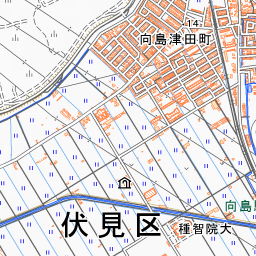
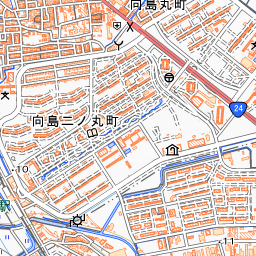
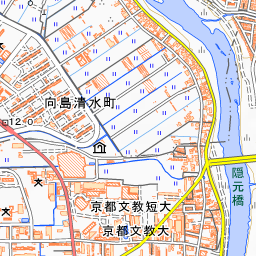
It is about a 5-minute walk from Chushojima Station on the Keihan Main Line, and about a 10-minute walk from Fushimi-Momoyama Station on the Keihan Main Line or Momoyama-Goryomae Station on the Kintetsu Kyoto Line. The view of the Uchigura Sake Brewery from Horikawa River, which once served as the outer moat of Fushimi Castle, is cherished as a landmark of Fushimi sightseeing. Behind the museum is the boarding area for the Fushimi Jikkokubune Canal Boat, and within roughly 250 meters to the northwest lies Teradaya Inn, around 300 meters to the north is Kizakura Kappa Country, and continuing further north leads to Fushimi Sakagura Koji.
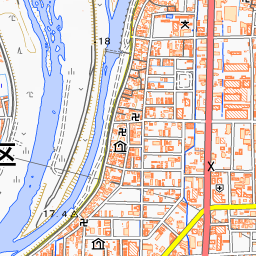
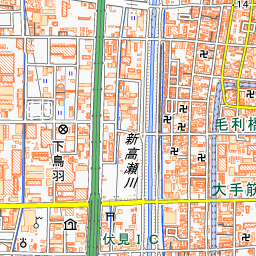
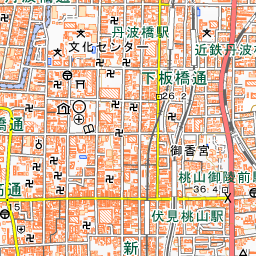
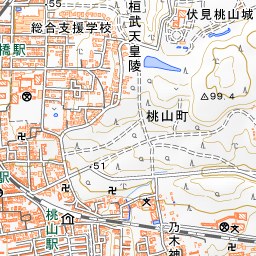
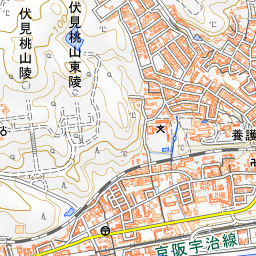
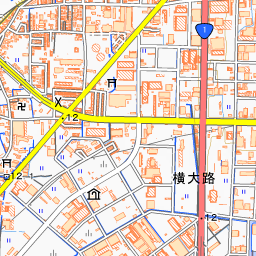
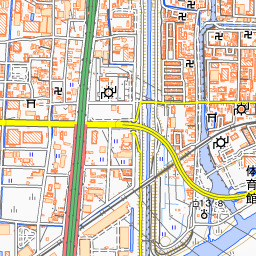
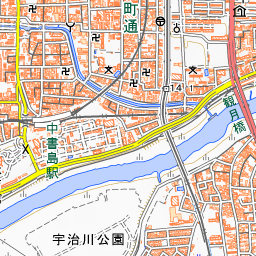
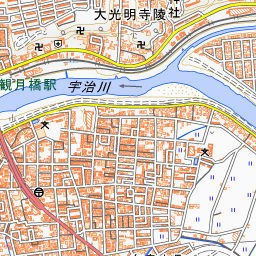
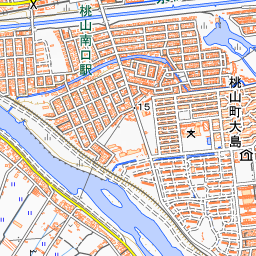
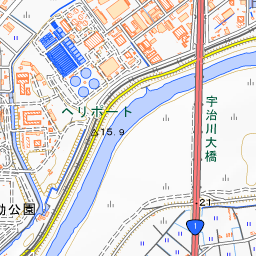
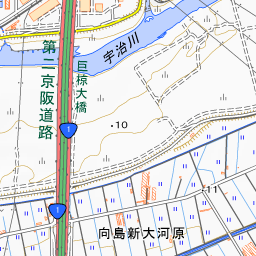
Spot location © OpenStreetMap contributors (ODbL)
Open in Google MapsGuides that include this spot (1)
Use asobot while you walk
- See where you are on the map and find spots nearby
- Listen to the guide's audio in course order, one after another (with subtitles)
- Walk to the next spot while following the map
Open on your phone
Scan to open this spot in asobot on your phone.