 ✨ AI Generated
Abuto Kannon
Japanese: 阿伏兎観音
Fukuyama, Hiroshima
This information was written by AI and may contain mistakes. Please check official sources for opening hours, fees, and other details before you go.
Found a mistake? Let us know with “✏️ Something's wrong” on this spot's screen in asobot →
🎧 Audio guide(1:05)
In short
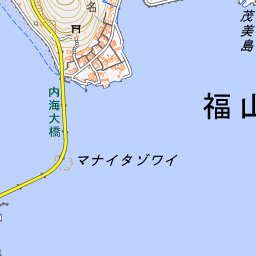
Abuto Kannon is a Kannon hall built atop the crags of Cape Abuto, which juts out into the Seto Inland Sea from the southern tip of the Numakuma Peninsula in Numakuma-cho, Fukuyama. It is a hall of Bandai-ji Temple, a Rinzai Zen temple. The current Kannon hall is said to have been constructed by Mori Terumoto in the Sengoku period, and it was designated as a national Important Cultural Property in 1956.
- A corridor overhanging the sea: The corridor surrounding the hall slopes slightly toward the sea and has low handrails. You can enjoy the view of the sea spreading right beneath your feet and the islands of Setouchi
- Painted coffered ceiling and oppai ema: The coffered ceiling inside the hall is adorned with paintings, and the walls are hung with many "oppai ema" (breast-shaped votive plaques) offered by women praying for fertility and safe childbirth
- A cape depicted in art and literature: The hall perched on the cape was depicted in "Famous Views of the Sixty-odd Provinces" by Utagawa Hiroshige. It is also said to have been featured in the novel "A Dark Night's Passing" by Shiga Naoya
History and Highlights
Abuto Kannon is a Kannon hall built atop the crags of Cape Abuto, which juts out into the Seto Inland Sea from the southern tip of the Numakuma Peninsula in Numakuma-cho, Fukuyama. It is a hall belonging to Bandai-ji Temple, a Rinzai Zen temple, and is officially named "Bandai-ji Kannon-do." It is said to have begun in the Heian period when Cloistered Emperor Kazan enshrined a statue of Kannon on the cape's rocks to pray for the safety of passing vessels.
The current Kannon hall is said to have been constructed by Mori Terumoto during the Genki era (1570–1573) of the Sengoku period, and it was designated as a national Important Cultural Property in 1956 (Showa 31). While founded on traditional Japanese architectural methods, it incorporates styles introduced from China in the pillar ornaments and the curvature of the roof, representing the "Secchu-yo" (eclectic style) architecture. Its vermilion-lacquered pillars stand out vividly against the blue of the sea. Revered since ancient times as a hall to pray for maritime safety, it later came to be visited by worshippers wishing for fertility (conception) and safe childbirth.
Viewing and Experience Highlights
- Corridor Overhanging the Sea: The veranda corridor surrounding the hall slopes slightly toward the sea and has low handrails. You can enjoy the view of the sea spreading directly beneath your feet along with the islands of Setouchi.
- Painted Coffered Ceiling and Breast Ema: The interior ceiling is a coffered ceiling (go-tenjo) framed with wooden lattice work, adorned with paintings. The walls are hung with many "oppai ema" (breast-shaped votive plaques) offered by women praying for fertility and safe childbirth.
- Cape Depicted in Art and Literature: The appearance of the hall perched on the cape was depicted in "Famous Views of the Sixty-odd Provinces" by Utagawa Hiroshige, an Edo-period ukiyo-e artist. It is also said to have been featured in the novel "A Dark Night's Passing" by Shiga Naoya.
Walking Tips
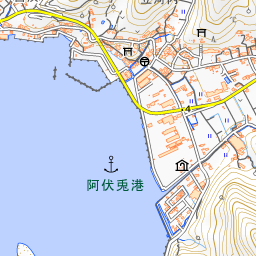
It is about a 15-minute walk from the "Abuto Kannon Iriguchi" bus stop. Because the corridor slopes toward the sea and the handrails are low, please watch your footing and walk slowly. In the morning, sunlight illuminates the sea surface, and in the evening, the western sun deepens the vermilion hue of the hall. Consider exploring the coastline of the Numakuma Peninsula together with Tomonoura.


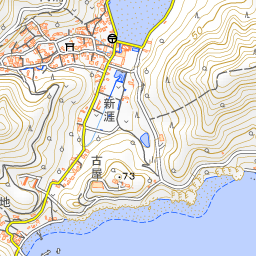
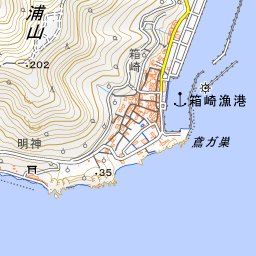


Spot location © OpenStreetMap contributors (ODbL)
Open in Google MapsGuides that include this spot (1)
Use asobot while you walk
- See where you are on the map and find spots nearby
- Listen to the guide's audio in course order, one after another (with subtitles)
- Walk to the next spot while following the map
Open on your phone
Scan to open this spot in asobot on your phone.