 ✨ AI Generated
Futai-ji Temple
Japanese: 不退寺
Nara City, Nara
This information was written by AI and may contain mistakes. Please check official sources for opening hours, fees, and other details before you go.
Found a mistake? Let us know with “✏️ Something's wrong” on this spot's screen in asobot →
🎧 Audio guide(1:03)
In short
Futai-ji Temple is associated with Ariwara no Narihira, a Heian-period poet said to be the model for the protagonist of The Tales of Ise, and is also known by the alternative name Narihira-dera. It is located on the site of Kaya no Gosho, a residence built by Retired Emperor Heizei, and is said to have been founded by Narihira in 847 (the 14th year of the Jowa era). It is also known as a temple of flowers, with approximately 500 varieties of flowering plants and grasses planted across its grounds.
- Principal Image: Standing Statue of Sho Kannon Bosatsu: Also called Narihira Kannon, this Heian-period ichiboku-zukuri (single-block wood) statue is traditionally said to have been carved by Narihira.
- South Gate and Tahoto Pagoda: The South Gate is a shikyakumon (four-legged gate) bearing an ink inscription from 1317, and along with the Tahoto Pagoda, it is designated an Important Cultural Property.
- Flower Garden: It features around 2,000 forsythia plants, and it is said that there are over 200 varieties of camellias.
History and Highlights
Futai-ji Temple belongs to the Shingon Risshu sect, and its official name is Kinryuzan Futaitenporin-ji. Approximately 500 species of flowers and plants are cultivated within the temple grounds.
This site was once home to the Kaya no Gosho, built by Retired Emperor Heizei. After the capital was moved to Heian-kyo, the retired emperor sought to return the capital to Heijo-kyo; having failed to do so, he left the capital and resided here. Following his passing, the residence was inherited by his first son, Prince Abo, and subsequently by the prince's fifth son and the retired emperor's grandson, Ariwara no Narihira.
The temple's origin dates to 847, when Narihira is said to have carved the Standing Statue of Sho Kannon Bosatsu himself to establish the temple. In historical records, the earliest mention appears in an entry for the year 860 (the 2nd year of the Jogan era) in the Sandai Jitsuroku, noting that rice paddies in the former capital of Heijo-kyo were donated to Futai-ji Temple and other temples.
In the late 12th century, it was counted as one of the fifteen major temples. Later, alongside the revival of monastic precepts led by Eison of Saidai-ji Temple, it became a branch temple of Saidai-ji Temple in 1298.
By the Taisho era, the temple had fallen into ruin. Priest Matsumura Ryusho, who restored it, began planting forsythia and other flora in the garden both to produce traditional herbal medicine and to delight visiting worshippers. This is said to be the origin of the temple becoming known as the "temple of flowers."
Points for Appreciation and Experience
- Statues in the Main Hall: The main hall enshrines the principal image, the Standing Statue of Sho Kannon Bosatsu, and the statues of the Five Great Wisdom Kings (Godai Myoo). Both are Important Cultural Properties. The principal image is also known as Narihira Kannon and is a painted, single-block wood carving (ichiboku-zukuri) from the Heian period.
- South Gate and Tahoto Pagoda: The South Gate is a gabled (kirizuma-zukuri) four-legged gate (shikyakumon) with an ink inscription dating its construction to 1317. The Tahoto Pagoda is estimated to have been erected around the same period, and both structures are Important Cultural Properties. On May 28, the day of the Narihira memorial service (Narihira-ki), the doors of the Tahoto Pagoda are opened.
- Flower Garden: Forsythia, camellias, water lilies, and other flowers bloom here. It is said that there are about 2,000 forsythia plants on the temple grounds. There was also a time when it was called the Camellia Temple after the "Narihira Camellia," and today there are over 200 varieties of camellias.
Walking Tips
Begin by taking in the architecture of the South Gate, then visit the main hall to pay your respects to Sho Kannon. Afterward, strolling through the temple gardens and looking for the seasonal flowers will reveal why it is called the temple of flowers.
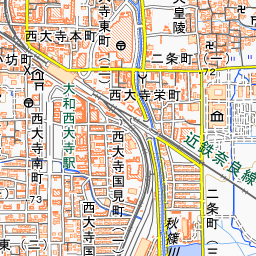
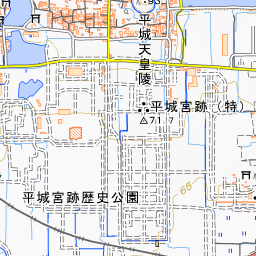
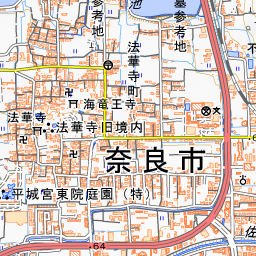
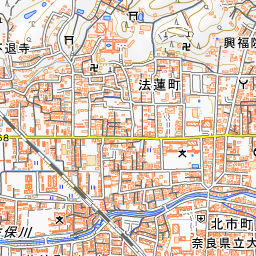
If arriving by bus, take a bus from JR Nara Station or Kintetsu-Nara Station, alight at "Ichijo Koko-mae (Futai-ji-guchi)," and walk north for 5 minutes. From Kintetsu Shin-Omiya Station, it is about a 15-minute walk north. Kairyuo-ji Temple is located about 680 meters to the west, and Hokke-ji Temple is roughly another 120 meters further, making them convenient to visit in succession.
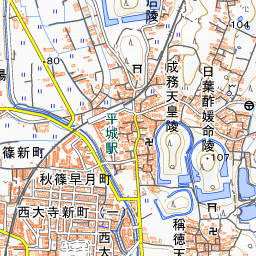
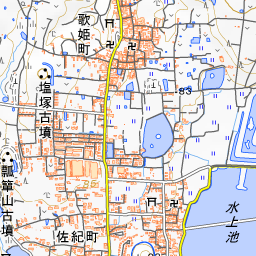
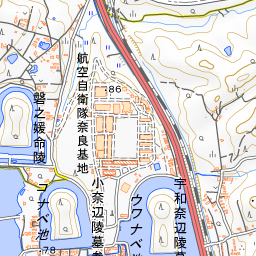
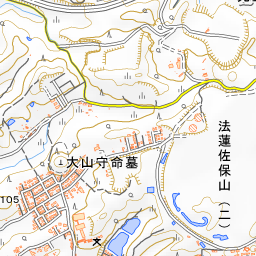

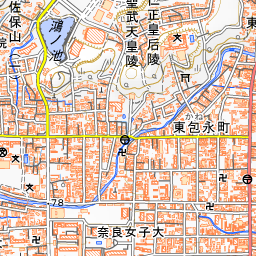
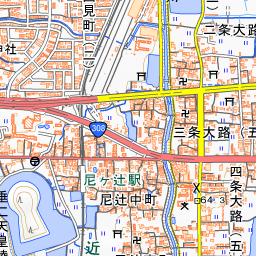
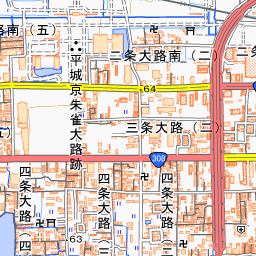
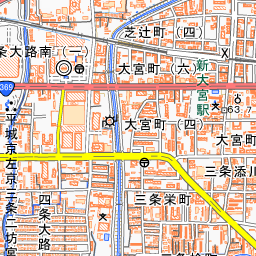

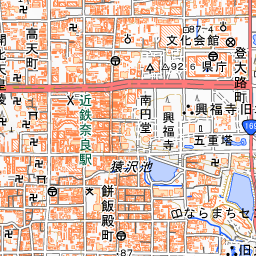
Spot location © OpenStreetMap contributors (ODbL)
Open in Google MapsUse asobot while you walk
- See where you are on the map and find spots nearby
- Listen to the guide's audio in course order, one after another (with subtitles)
- Walk to the next spot while following the map
Open on your phone
Scan to open this spot in asobot on your phone.