 ✨ AI Generated
Hiko-jinja Shrine
Japanese: 飛行神社
Yawata, Kyoto
This information was written by AI and may contain mistakes. Please check official sources for opening hours, fees, and other details before you go.
Found a mistake? Let us know with “✏️ Something's wrong” on this spot's screen in asobot →
🎧 Audio guide(0:59)
In short
A shrine founded in 1915 (Taisho 4) by Ninomiya Chuhachi, a pioneer of Japanese aviation, who used his personal funds to build it within the grounds of his residence in Yawata. Pained by the growing number of people killed in aircraft accidents, Ninomiya built it to console their spirits and to pray for aviation safety and the development of aviation enterprises. The center of the main sanctuary (honden) enshrines Nigihayahi no Mikoto, who is said to have descended from heaven riding the Ame no Iwafune (Heavenly Rock Boat).
- Ancient Western-Style Worship Hall (Haiden): The worship hall was rebuilt in 1989 (Heisei 1) by Ninomiya's second son to commemorate the centennial of the discovery of the principle of flight. It features aligned columns and is adorned with stained glass depicting the crows that inspired the invention
- Engines on the Grounds: There is a jet engine once mounted on an F-104J fighter jet of the Japan Air Self-Defense Force, and a Zero fighter engine that was caught in a net and salvaged from Osaka Bay in 1983
- Ninomiya Chuhachi Museum: Visitors can view photographs taken by Ninomiya himself at the time, a model of the jewel beetle-type flying device he made in his later years, and 1,000 plastic models donated by a single contributor, among other items
History and Highlights
Hiko-jinja Shrine was founded in 1915 (Taisho 4) by Ninomiya Chuhachi, a pioneer of Japanese aviation, who used his personal funds to build it within the grounds of his residence in Yawata. Born in Yawatahama, Ehime Prefecture, Ninomiya was inspired by the sight of crows gliding with their wings spread while he was serving in the army. He built a rubber-powered "crow-type flying device" (Karasu-gata Hikoki) and succeeded in flying it in Marugame, Kagawa Prefecture, in 1891 (Meiji 24). He then conceived a man-carrying "jewel beetle-type flying device" (Tamamushi-gata Hikoki). Lacking funds, he worked at a pharmaceutical company to save money and purchased land in Yawata to begin constructing a full-scale aircraft. However, upon learning in 1903 (Meiji 36) that the Wright brothers in the United States had succeeded in flight, he abandoned the project. Later, distressed by the growing number of aircraft accident casualties, he built this shrine to console their spirits and to pray for aviation safety and the development of aviation enterprises.
The center of the main sanctuary (honden) enshrines Nigihayahi no Mikoto, who is said to have descended from heaven riding the Ame no Iwafune (Heavenly Rock Boat). The grounds also include the Soreisha shrine, which enshrines people who died in aviation accidents regardless of nationality as well as those who contributed to the advancement of aviation, and the Yakko-jinja Shrine, which enshrines predecessors of the pharmaceutical industry.
Sights and Experiences
- Ancient Western-Style Worship Hall (Haiden): The current worship hall was rebuilt in 1989 (Heisei 1) by Ninomiya's second son to commemorate the centennial of the discovery of the principle of flight. It features aligned columns and is adorned with stained glass depicting the crows that inspired the invention.
- Engines on the Grounds: Exhibited inside a large glass case on the shrine grounds is a jet engine once mounted on an F-104J fighter jet of the Japan Air Self-Defense Force. There is also a Zero fighter engine that was caught in a net and salvaged from Osaka Bay in 1983.
- Ninomiya Chuhachi Museum: In the adjacent museum, visitors can view photographs taken by Ninomiya himself at the time, a model of the jewel beetle-type flying device he made in his later years, and 1,000 plastic models donated by a single contributor.
Tips for Visitors
The shrine is about a 5-minute walk southeast from Iwashimizu-hachimangu Station on the Keihan Main Line. Because it enshrines inventors like Ninomiya, visitors come not only to pray for aviation safety, but also for success in research and development, invention, academic achievement, and passing exams. Nearby are Tanden-an Temple, known as the "Rakugaki-dera" (graffiti temple), and Jinno-ji Temple.
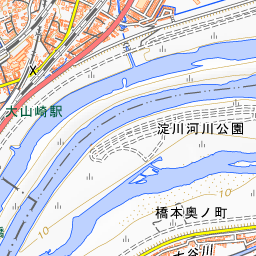
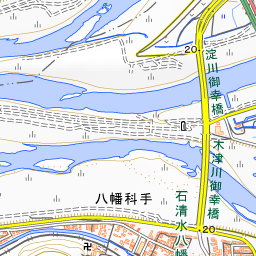
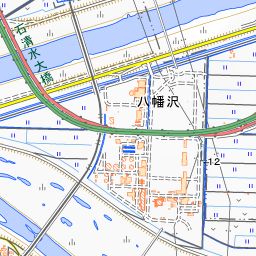
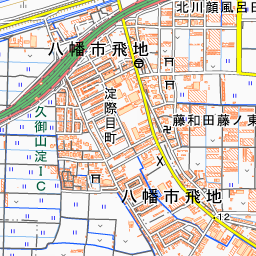
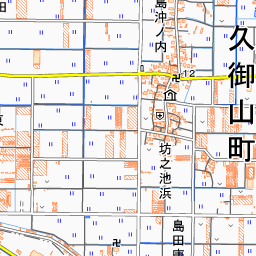
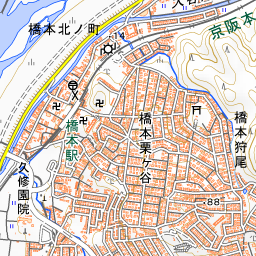
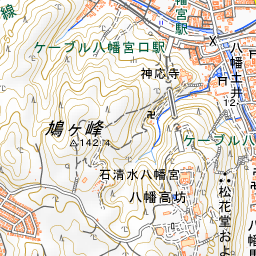
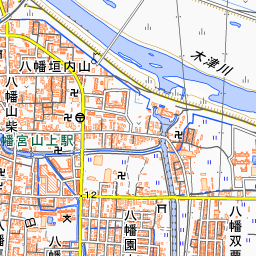
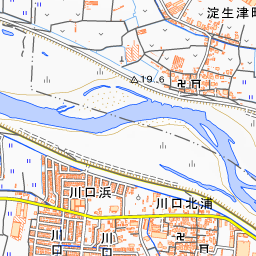
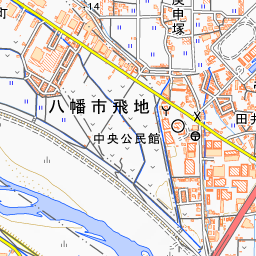
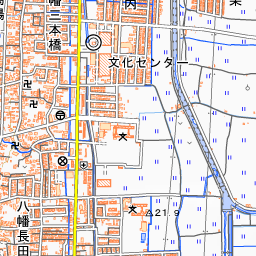
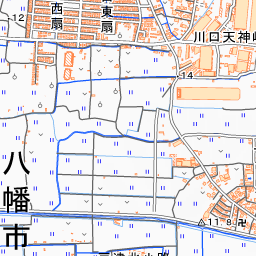
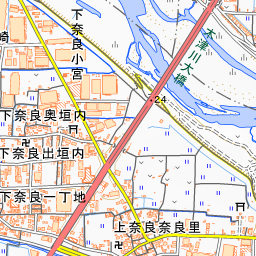
Spot location © OpenStreetMap contributors (ODbL)
Open in Google MapsUse asobot while you walk
- See where you are on the map and find spots nearby
- Listen to the guide's audio in course order, one after another (with subtitles)
- Walk to the next spot while following the map
Open on your phone
Scan to open this spot in asobot on your phone.