 ✨ AI Generated
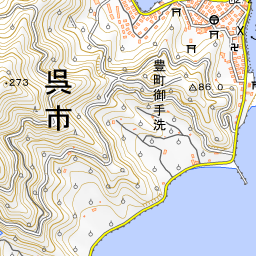
Mitarai Traditional Buildings Preservation District
Japanese: 呉市豊町御手洗伝統的建造物群保存地区
Kure, Hiroshima
This information was written by AI and may contain mistakes. Please check official sources for opening hours, fees, and other details before you go.
Found a mistake? Let us know with “✏️ Something's wrong” on this spot's screen in asobot →
🎧 Audio guide(1:02)
In short
Mitarai is a port town at the eastern end of Osakishimojima Island, nearly in the center of the Seto Inland Sea. As a port where ships waited for favorable tides and winds, it flourished from the Edo period to the early Showa period as a stopover for ships traversing the Seto Inland Sea. In 1994 (Heisei 6), it was selected as a national Important Preservation District for Groups of Traditional Buildings as a port town.
- A Web of Lanes and Rows of Houses: Along narrow lanes and alleys, townhouses, merchant residences, teahouses, sailors' inns, shrines, and temples stand mixed together, and Western-style buildings from the Taisho to early Showa periods can also be seen
- Chisago-hato Pier that Protected the Port: A stone breakwater built by the Hiroshima Domain in 1829 (Bunsei 12), constructed using the "gobozumi" masonry technique also used for castle walls
- Wakaebisuya Ruins Conveying the History of Teahouses: As the largest townhouse in Mitarai, it is designated as a prefectural historic site. Yakusugi cedar is used for the ceiling of the tatami reception room (it cannot be entered inside due to restoration work)
History and Highlights
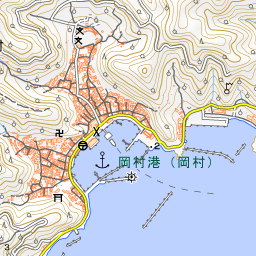
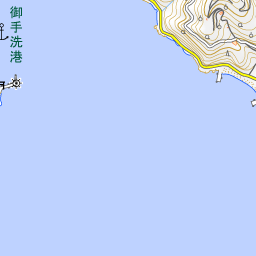
Mitarai is a port town located at the eastern end of Osakishimojima Island, one of the Geiyo Islands situated nearly in the center of the Seto Inland Sea. The town originated in the mid-17th century and flourished from the Edo period to the early Showa period as a port where ships traversing the Seto Inland Sea waited for favorable tides and winds and made stopovers. It was also an important point on the Kitamaebune shipping route and was added to the Japan Heritage "Kitamaebune Ports and Shipowner Villages" in 2018 (Heisei 30).
Because flat land is limited, the coastline was repeatedly reclaimed as the port developed, expanding the townscape with each reclamation. Along a web of narrow lanes and alleys, large and small townhouses, merchant residences, teahouses, sailors' inns, shrines, and temples stand closely together, alongside Western-style buildings from the Taisho to early Showa periods. Recognized for this townscape, it was selected as a national Important Preservation District for Groups of Traditional Buildings as a port town in 1994 (Heisei 6).
Viewing and Experience Highlights
- Chisago-hato Pier and the Takatoro Lantern that Protected the Port: Chisago-hato is a stone breakwater built by the Hiroshima Domain in 1829 (Bunsei 12), constructed using the "gobozumi" masonry technique also used for castle walls. The Takatoro, an all-night stone lantern that ensured the safety of ships, was rebuilt in stone in 1832 (Tenpo 3) and has now been relocated in front of the approach to Sumiyoshi-jinja Shrine.
- Wakaebisuya Ruins Conveying the History of Teahouses: Wakaebisuya received permission from the Hiroshima Domain to operate a teahouse in 1724 (Kyoho 9). Its site, featuring the largest townhouse in Mitarai, is designated as a prefectural historic site. Yakusugi cedar is used for the ceiling of the tatami reception room.
- The Village Headman's Residence and an Early Showa Theater: The Former Kaneko Residence, built by the Kaneko family of village headmen to entertain guests, is an important cultural property of Kure City where an agreement between the Choshu and Hiroshima domains was reportedly concluded at the end of the Edo period. The "Otomeza" theater, built in the early Showa period, also remains, allowing visitors to feel the town's evolution over time.
Walking Tips
From the mainland, you can visit by car by crossing the bridges of the Akinada Tobishima Kaido. As the town features intricate, narrow alleys, exploring slowly on foot is recommended. Because people still live in the old rows of houses, please observe them quietly. Some buildings, such as the Wakaebisuya ruins, cannot be entered inside due to restoration work.


Guides that include this spot (1)
Use asobot while you walk
- See where you are on the map and find spots nearby
- Listen to the guide's audio in course order, one after another (with subtitles)
- Walk to the next spot while following the map
Open on your phone
Scan to open this spot in asobot on your phone.