 ✨ AI Generated
Motoyakushi-ji Temple Site
Japanese: 本薬師寺跡
Kashihara, Nara
This information was written by AI and may contain mistakes. Please check official sources for opening hours, fees, and other details before you go.
Found a mistake? Let us know with “✏️ Something's wrong” on this spot's screen in asobot →
🎧 Audio guide(1:07)
In short
The Motoyakushi-ji Temple Site is the former location of the original temple that later became Yakushi-ji Temple in Nishinokyo, Nara City. Emperor Tenmu began constructing this temple wishing for the recovery of his empress from illness, and it served as a state temple situated near Fujiwara Palace. Today, the platforms and foundation stones of the Kondo (Main Hall) and the East and West Pagodas remain amidst rural countryside. It is one of the component parts of the "Ancient Capitals of Asuka and Fujiwara" World Heritage site, located about a 9-minute walk east from Kintetsu Unebigoryomae Station.
- Remains of the Main Hall and Two Pagodas: You can trace the "Yakushi-ji style" layout—placing east and west pagodas to the south of the Kondo—via the surviving platforms and foundation stones.
- Foundation Stones of the East Pagoda: The foundation stones of the East Pagoda remain preserved from that era.
- Large South Gate: Discovered during excavations, the South Gate measures about 15 meters from east to west, making it the largest south gate among temples up to the Fujiwara-kyo period.
History and Highlights
The Motoyakushi-ji Temple Site is the site of the Yakushi-ji Temple built during the Fujiwara-kyo period. According to the Nihon Shoki, Emperor Tenmu decided to build the temple in the 9th year of his reign (680) wishing for the recovery from illness of his empress, who later became Empress Jito. After the emperor passed away, Empress Jito took over the construction. It is thought that parts of the halls and pagodas were completed around the time Buddhist services were held in the 2nd year of Empress Jito's reign (688). It was a state-sponsored temple erected in close proximity to Fujiwara Palace.
When speaking of Yakushi-ji Temple, Yakushi-ji Temple in Nishinokyo, Nara City is widely known. That temple was relocated from Fujiwara-kyo following the transfer of the capital to Heijo-kyo. For this reason, the Yakushi-ji in Fujiwara-kyo came to be called "Motoyakushi-ji," meaning the original Yakushi-ji.
Excavations have uncovered roof tiles from the Nara and Heian periods from the Main Hall and pagodas. This revealed that the halls and pagodas survived until the Heian period through ongoing repairs. Because of this, it has become highly probable that the buildings of Yakushi-ji Temple in Heijo-kyo were newly constructed rather than moved from here. The grounds where the temple complex once stood are designated as a National Special Historic Site. It is also one of the component parts of the "Ancient Capitals of Asuka and Fujiwara" World Heritage site.
Viewing and Experience Highlights
- Yakushi-ji Style Temple Layout: A layout where two pagodas, one east and one west, are placed to the south in front of the Kondo (Main Hall). Yakushi-ji Temple in Heijo-kyo also inherited this arrangement. Today, the platforms and foundation stones of the Kondo, East Pagoda, and West Pagoda still remain above ground, allowing visitors to trace the layout of the buildings.
- Foundation Stones of the East and West Pagodas: The original foundation stones of the East Pagoda are preserved. Foundation stones also remain in a similar fashion at the site of the Kondo. The central foundation stones (shinso) that supported the central pillars of the pagodas remain at both the East and West Pagodas.
- Discovered South Gate: An excavation in fiscal year 2018 confirmed for the first time the South Gate, which served as the main entrance of the temple. It is situated just south of the Special Historic Site's designated grounds. Measuring about 15 meters east to west, it was an exceptionally large gate—the largest south gate among temples built up to the Fujiwara-kyo period.
Tips for Exploring
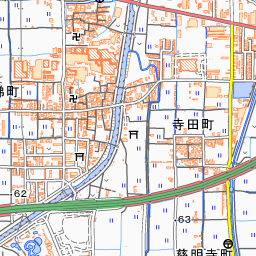
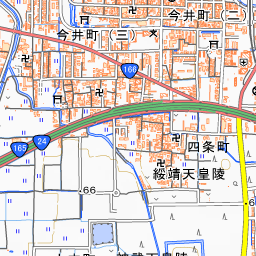
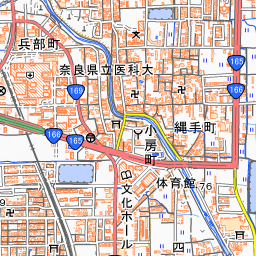
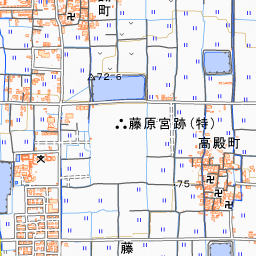
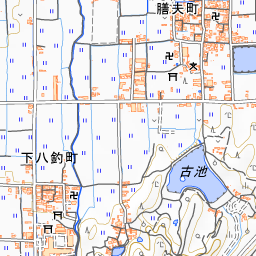
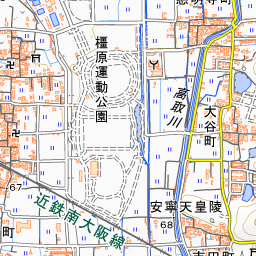
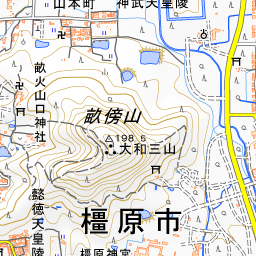
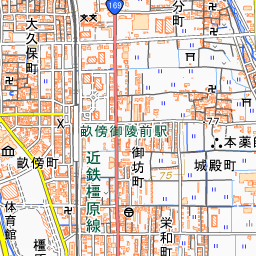
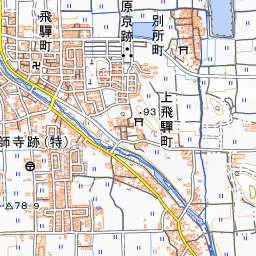
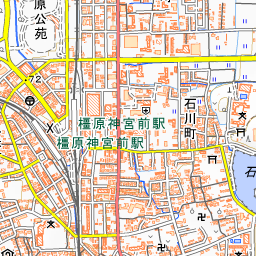
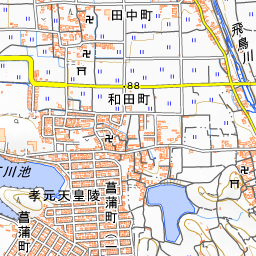
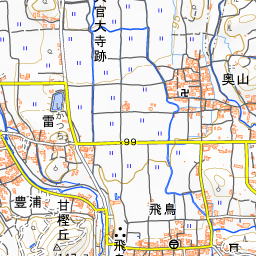
It is about a 9-minute walk east from Kintetsu Unebigoryomae Station. Foundation stones of the Kondo site and the earthen platforms of the East and West Pagoda sites remain surrounded by rural landscape. A small hall also stands on the site today. Mt. Unebi is visible to the west, so try viewing the foundation stones set against the backdrop of the mountain. The surrounding rice paddies were once known for water hyacinths (hoteiaoi), with light purple blossoms covering the fields. However, there are years when planting is suspended. Walking about 1.2 kilometers north-northeast brings you to the Fujiwara Palace Site. About 830 meters to the west is the Museum, Archaeological Institute of Kashihara, Nara Prefecture.
Spot location © OpenStreetMap contributors (ODbL)
Open in Google MapsGuides that include this spot (1)
Use asobot while you walk
- See where you are on the map and find spots nearby
- Listen to the guide's audio in course order, one after another (with subtitles)
- Walk to the next spot while following the map
Open on your phone
Scan to open this spot in asobot on your phone.