 ✨ AI Generated
Niukawakami-jinja Shrine Nakasha
Japanese: 丹生川上神社中社
Higashiyoshino Village, Nara
This information was written by AI and may contain mistakes. Please check official sources for opening hours, fees, and other details before you go.
Found a mistake? Let us know with “✏️ Something's wrong” on this spot's screen in asobot →
🎧 Audio guide(1:07)
In short
Niukawakami-jinja Shrine Nakasha is a shrine dedicated to the water deity, located in Higashiyoshino Village. The primary enshrined deity is Mizuhanome-no-kami, who governs all water. Since ancient times, it has been revered as a shrine to pray for rain during droughts and for rain to cease during prolonged downpours. In front of the shrine, three rivers converge to form "Yumebuchi," a deep pool with legends associated with Emperor Jinmu recorded in the Nihon Shoki.
- Yumebuchi: Upstream of the vermilion-lacquered Aritoshi Bridge, three rivers merge to form a deep, azure pool.
- Stone Lantern: Built in 1264 (Kocho 4) during the Kamakura period, it is designated as a National Important Cultural Property.
- Kanae no Osugi (Wish-Granting Giant Cedar): An ancient cedar tree over 1,000 years old and 51.5 meters tall, where many visitors can be seen placing both hands against the trunk and chanting their wishes.
History and Highlights
Niukawakami-jinja Shrine Nakasha is located in Omura, Higashiyoshino Village. The primary enshrined deity, Mizuhanome-no-kami, governs all water. In ancient times, the deity was revered as a god of rain, and prayers were offered here for rain during continuous droughts, and for rain to stop during long periods of rainfall.
According to the shrine, it was founded in 675 (the 4th year of Hakuho) under Emperor Tenmu, following a divine oracle to bring rain for the realm and to halt long-lasting rains. In the Engishiki, it is classified as a Myojin Taisha shrine. However, the offering of heihaku (shrine offerings) ceased from the Sengoku period onward, and at some point, the shrine came to be called "Aritoshi Shrine," to the extent that the very location of Niukawakami-jinja Shrine was lost.
During the Meiji period, shrines in what are now Shimoichi Town and Kawakami Village were designated as the Shimosha and Kamisha of Niukawakami-jinja Shrine, respectively. In 1922 (Taisho 11), the research of Moriguchi Narakichi, a native of the village, was officially recognized, and this shrine was also acknowledged as Niukawakami-jinja Shrine, commonly known as "Nakasha." After World War II, the three shrines became separate institutions, but together they are still referred to as "Niukawakami-jinja Shrine."
In front of the shrine, the Takami River, Hiura River, and Shigo River converge to form "Yumebuchi." According to the Nihon Shoki, it is said to be the legendary site where Emperor Jinmu prayed for victory in battle by submerging sacred sake jars (itsube) into this pool, divining victory by the sight of fish floating downstream intoxicated with sake. It is said that the fish floating and drifting on the water's surface at that time was the ayu (sweetfish), written in kanji with the character for "fish" alongside "divination."
Tips for Viewing and Experiencing
- Main Hall (Honden) and Stone Lantern: The main hall is a structure built in the nagare-zukuri style with a cypress bark roof (hiwadabuki), taking approximately 12 years to rebuild starting from 1828 (Bunsei 11). The stone lantern was erected in 1264 (Kocho 4) and stands 2.6 meters tall; it is designated as a National Important Cultural Property.
- Kanae no Osugi and Aioi no Sugi: Kanae no Osugi is an ancient cedar tree over 1,000 years old and 51.5 meters tall. Many visitors can be seen placing both hands on the trunk to chant their wishes. The "Aioi no Sugi," a pair of facing cedars, is also called Meoto Sugi (Married Couple Cedars).
- Higashi no Taki (Eastern Waterfall) and Ryudama: Where the Hiura River flows into the Takami River lies the "Higashi no Taki" waterfall, where a dragon god is said to dwell. There is a custom of making a wish upon a Ryudama (dragon jewel) received at the haiden (worship hall) and tossing it into this waterfall.
Walking Tips
At the foot of Mt. Mifune across the river stands Niu Shrine, a subordinate shrine (sessha) on the former shrine grounds, affectionately known as "Hongu-san." As the saying goes, "It is only a half-visit if you miss either one," so it is recommended to visit both.
When traveling by train and bus on weekdays, take a Nara Kotsu bus from Haibara Station on the Kintetsu Osaka Line to the Higashiyoshino Village Office, transfer to the village community bus, and alight at "Aritoshi." Take care not to confuse it with Niukawakami-jinja Shrine Shimosha in Shimoichi Town, as it is a separate shrine. Mt. Takami is located about 10 kilometers to the east-northeast.
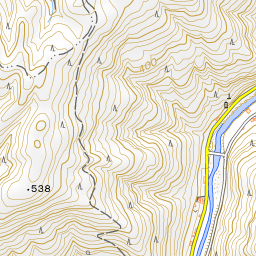
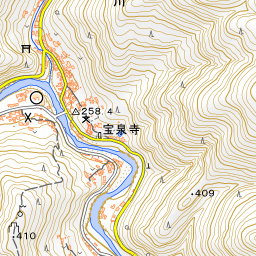
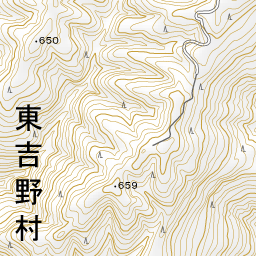
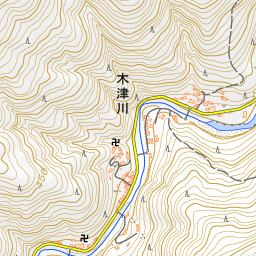
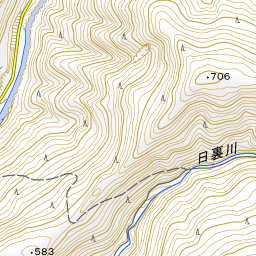


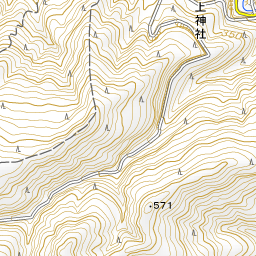
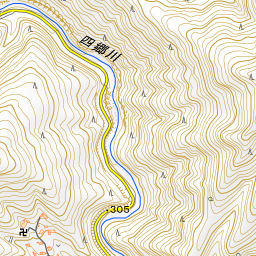
Spot location © OpenStreetMap contributors (ODbL)
Open in Google MapsUse asobot while you walk
- See where you are on the map and find spots nearby
- Listen to the guide's audio in course order, one after another (with subtitles)
- Walk to the next spot while following the map
Open on your phone
Scan to open this spot in asobot on your phone.