 ✨ AI Generated
Sumiya Motenashi Cultural Art Museum
Japanese: 角屋もてなしの文化美術館
Shimogyo Ward, Kyoto
This information was written by AI and may contain mistakes. Please check official sources for opening hours, fees, and other details before you go.
Found a mistake? Let us know with “✏️ Something's wrong” on this spot's screen in asobot →
🎧 Audio guide(1:05)
In short
The Sumiya Motenashi Cultural Art Museum opens to the public the building of Sumiya, once an ageya in Shimabara, along with the art collection handed down there. Sumiya preserved its building and family lineage continuously from the founding of Shimabara in 1641, and as the only surviving structure of ageya architecture, it was designated as a National Important Cultural Property in 1952.
- Ageya architectural style: A tea-ceremony arbor is placed in the spacious garden facing the main banquet hall, and the building includes a kitchen on the same scale as a temple's kuri. In addition to red, the walls are finished with white plaster, yellow Otsu-migaki polished plaster, pale-blue Kujo earth, and more
- Sumiya as a cultural salon: Gatherings for waka and haikai poetry were also held here. The "Red and White Plum Blossoms" folding screen painted by Yosa Buson in its collection is an Important Cultural Property
- A stage of the Bakumatsu period: It served as a meeting place for both pro-Imperial and pro-Shogunate factions, the Shinsengumi are also said to have frequented it, and numerous sword cuts remain on the building. Opening dates are limited, so please check before visiting
History and Highlights
Sumiya Motenashi Cultural Art Museum is an art museum that opens to the public the building of Sumiya, which was once an ageya (banquet hall) in Shimabara, along with the art collection preserved there. An ageya was an establishment equivalent to modern ryotei (traditional fine dining restaurants), where guests were entertained with banquets featuring song and dance by calling tayu (high-ranking courtesans) and geiko from an okiya (geisha lodging house), without employing them directly on-site. Sumiya preserved its building and family lineage continuously from the founding of the Shimabara district in Kan'ei 18 (1641). As the only surviving structure of ageya architecture, it was designated as a National Important Cultural Property in Showa 27 (1952).
The building was expanded southward in Tenmei 7 (1787), reaching roughly its current size. Its tatami reception rooms, furnishings, and garden were appointed in the same manner as the shoin (drawing rooms) and guest pavilions of temples and shrines, and it is said to have been the largest private banquet venue in Edo-period Kyoto. Its operation as an ageya continued until Meiji 5 (1872). Afterwards, it operated as an ochaya (tea house), hosting banquets in the large Matsu-no-ma (Pine Room) until Showa 60 (1985). It opened as a museum in fiscal year Heisei 10 (1998), and the garden of Sumiya was designated as a Place of Scenic Beauty by Kyoto City in Heisei 22 (2010).
Points for Appreciation and Experience
- Ageya Architectural Style: A defining feature of ageya architecture is that a tea-ceremony arbor is invariably placed in a spacious garden facing the main banquet hall, and the building includes a kitchen on the same scale as a temple's kuri (monastery kitchen). The lattice windows facing the street reflect the style of lattices widely used on Kyoto townhouses (machiya) in the early Edo period. In addition to red, the walls are finished with white plaster, yellow Otsu-migaki polished plaster, and pale-blue Kujo earth.
- Sumiya as a Cultural Salon: Beyond entertainment and dining, gatherings for waka and haikai poetry were held at Sumiya, serving the role of a cultural salon. The "Red and White Plum Blossoms" folding screen painted by Yosa Buson in its collection was designated as an Important Cultural Property in Showa 58 (1983). The blackened interior soot was caused by the lighting of numerous candles to illuminate the banquet rooms.
- A Stage of the Bakumatsu Period: During the late Edo period (Bakumatsu), it served as a meeting place for both pro-Imperial and pro-Shogunate factions. The Shinsengumi are also said to have frequented the establishment, and numerous sword cuts remain on the building. However, the Sumiya Preservation Society notes that Sumiya itself was never the site of an armed brawl.
Walking Tips
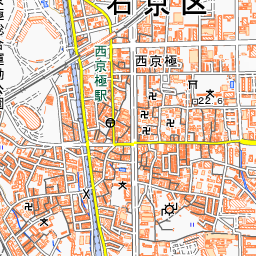
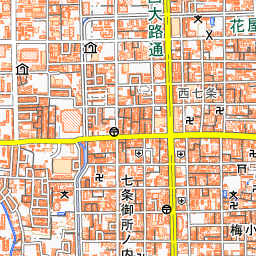
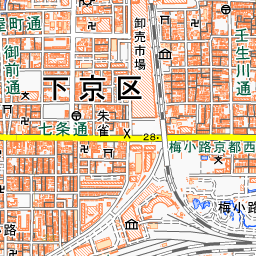
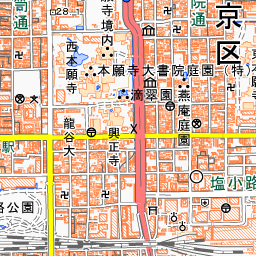
It is about a 7-minute walk from both JR Tambaguchi Station and JR Umekoji-Kyotonishi Station. As opening dates are limited, please check the official information before visiting. Walking about 170 meters east brings you to the Shimabara Omon Gate, the eastern entrance to Shimabara. In Shimabara, the okiya Wachigaiya still remains in operation today. Umekoji Park is located about 550 meters to the south.
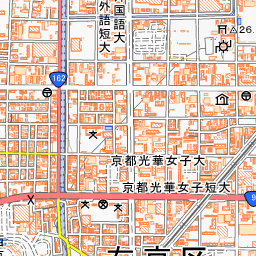
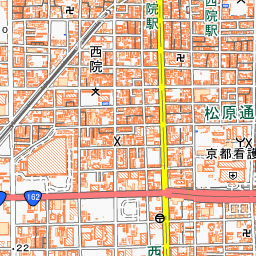
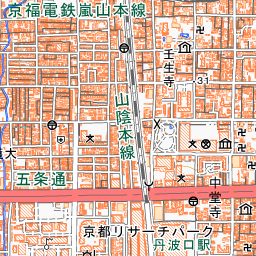
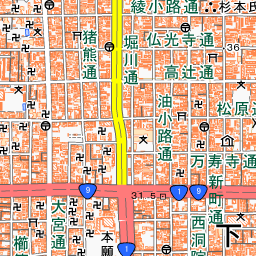

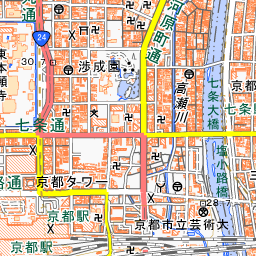
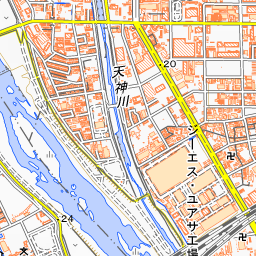
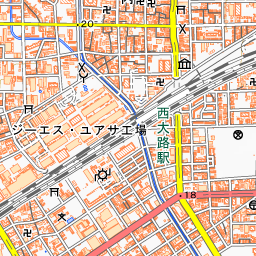
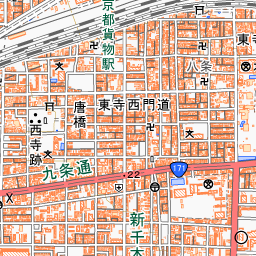
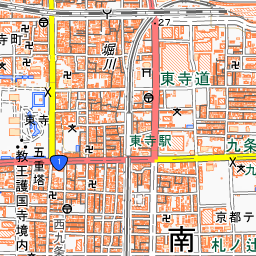
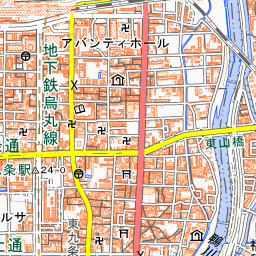
Spot location © OpenStreetMap contributors (ODbL)
Open in Google MapsGuides that include this spot (1)
Use asobot while you walk
- See where you are on the map and find spots nearby
- Listen to the guide's audio in course order, one after another (with subtitles)
- Walk to the next spot while following the map
Open on your phone
Scan to open this spot in asobot on your phone.