 ✨ AI Generated
Enko-ji Temple
Japanese: 圓光寺
Sakyo Ward, Kyoto
This information was written by AI and may contain mistakes. Please check official sources for opening hours, fees, and other details before you go.
Found a mistake? Let us know with “✏️ Something's wrong” on this spot's screen in asobot →
🎧 Audio guide(1:19)
In short
A temple of the Nanzen-ji branch of the Rinzai sect in Ichijoji, Sakyo Ward, Kyoto City, with the mountain name Zuiganzan. It originated as a school that Tokugawa Ieyasu built in Fushimi in 1601 (Keicho 6) to promote the development of domestic learning, and it moved to its current location in 1667 (Kanbun 7). Japan's oldest wooden movable type, numbering about 50,000 pieces, is a national Important Cultural Property.
- Jugyu-no-niwa: A pond-strolling garden created at the beginning of the early modern period, themed around the "Ten Bulls" (Jugyuzu), which depicts an oxherd pursuing a bull. The moss and autumn foliage are beautiful, and the clear tones of a suikinkutsu water harp also echo
- Honryutei: A dry landscape garden (karesansui) built in 2013 (Heisei 25), in which swirling white sand represents a sea of clouds and a stone arrangement depicts a dragon flying freely across the sky
- Tosho-gu and Okyo Bamboo Grove: On the mountain behind is the Tosho-gu shrine dedicated to the founder, Tokugawa Ieyasu, offering a panoramic view of the urban area of Rakuhoku. The bamboo grove is called the Okyo Bamboo Grove because the young Maruyama Okyo visited it and later made it the subject of "Bamboo in Rain and Wind"
History and Highlights
Enko-ji Temple is a temple of the Nanzen-ji branch of the Rinzai sect located in Ichijoji, Sakyo Ward, Kyoto City, and its mountain name is Zuiganzan. Its origin was a school founded by Tokugawa Ieyasu. In 1601 (Keicho 6), in order to promote the development of domestic learning, Ieyasu invited Kanshitsu Genkitsu, who served as the ninth head of the Ashikaga School, and built Enko-ji Temple in Fushimi as a school. Allowing admission regardless of whether one was a monk or a layperson, it published many books such as Koshikego and Joganseiyo. These are called the Fushimi editions or Enko-ji editions, and the wooden movable type used for publishing still remains at the temple today. Japan's oldest wooden movable type, numbering about 50,000 pieces, is designated as a national Important Cultural Property.
The temple moved to its current location in 1667 (Kanbun 7). From the Meiji period onward, it became a place of ascetic practice for Buddhist nuns, and until recent years, nuns diligently trained here as Japan's only specialized training hall for nuns. The temple preserves the seated statue of the Thousand-Armed Kannon Bosatsu, the principal image handed down as the work of Unkei, and the folding screen "Bamboo in Rain and Wind" (Uchiku Fuchiku-zu) painted by Maruyama Okyo, which is an Important Cultural Property.
Highlights for Viewing and Experiencing
- Jugyu-no-niwa: A pond-strolling garden created at the beginning of the early modern period, themed around the "Ten Bulls" (Jugyuzu), which depicts an oxherd pursuing a bull. The bull in the depiction represents the Buddha-nature inherent in human beings, forming a story that the enlightenment one sought so earnestly was already within oneself. The moss and autumn foliage are beautiful, and on the south side of the garden is Seiryu-chi, said to be the oldest spring pond in Rakuhoku, where the clear tones of a suikinkutsu water harp also echo.
- Honryutei: A dry landscape garden (karesansui) of the Heisei era that appears upon entering the sanmon gate. Swirling white sand represents a sea of clouds, and a stone arrangement depicts a dragon flying freely across the sky. Built in 2013 (Heisei 25), the stone pillars towering near the dragon's head and back incorporate parts from the well of Enko-ji Temple.
- Tosho-gu and Okyo Bamboo Grove: On the mountain behind, there are the Tosho-gu shrine dedicated to the founder, Tokugawa Ieyasu, and a grave where his tooth was buried in accordance with Ieyasu's will, offering a panoramic view of the urban area of Rakuhoku below. The temple conveys that the evening view as the sun sets over the western mountains is of indescribable beauty. The bamboo grove is called the Okyo Bamboo Grove because the young Maruyama Okyo visited it and later made it the subject of "Bamboo in Rain and Wind."
Tips for Walking Around
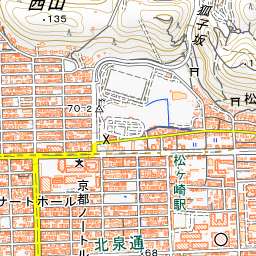
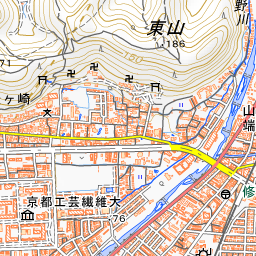
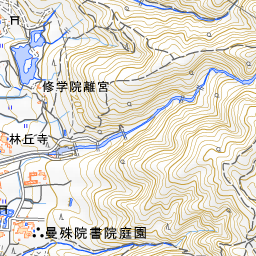
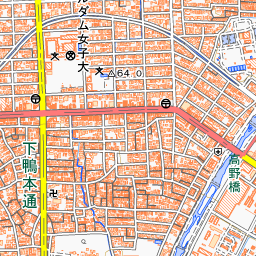
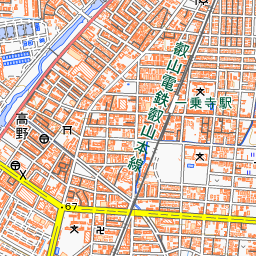
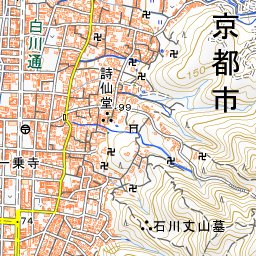
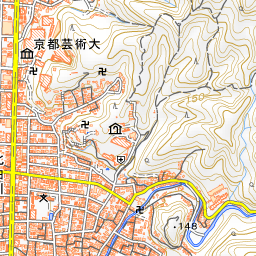
You can reach the temple on foot from Ichijoji Station on the Eizan Electric Railway or from the city bus stop Ichijoji Sagarimatsu-cho. The beauty during the seasons of fresh greenery and autumn foliage is extraordinary. Shisendo Jozan-ji Temple is located about 190 meters to the southwest, Manshu-in Temple about 700 meters to the northeast, and Shugakuin Imperial Villa about 1 kilometer to the north-northeast, allowing you to combine your visit with a tour of the temples in the Ichijoji area.

Guides that include this spot (1)
Use asobot while you walk
- See where you are on the map and find spots nearby
- Listen to the guide's audio in course order, one after another (with subtitles)
- Walk to the next spot while following the map
Open on your phone
Scan to open this spot in asobot on your phone.