 ✨ AI Generated
Ofusa Kannon Temple
Japanese: おふさ観音
Kashihara, Nara
This information was written by AI and may contain mistakes. Please check official sources for opening hours, fees, and other details before you go.
Found a mistake? Let us know with “✏️ Something's wrong” on this spot's screen in asobot →
🎧 Audio guide(1:08)
In short
Ofusa Kannon Temple, officially named Kannon-ji Temple, is a temple of the Koyasan Shingon sect. It began with a story from 1650 (Keian 3), when the Kannon Bodhisattva riding on the back of a white turtle appeared before a maiden named Ofusa. Seasonal flowers, including several thousand varieties of roses, color the temple grounds, earning it the name "the Temple of the Flower Mandala." It is about a 25-minute walk from Kintetsu Yamato-Yagi Station.
- Rose Festival: In spring and autumn, visitors can walk through the temple grounds where several thousand varieties of roses bloom.
- Wind Chime Festival: For three months in summer, more than 3,000 wind chimes are hung throughout the temple grounds.
- Carp Pond and the Giant Ginkgo: Features include the carp pond related to the story of the temple's founding, and a ginkgo tree said to date from the Meiji period.
History and Highlights
The official name of Ofusa Kannon Temple is Kannon-ji Temple, and it is a Bekkaku Honzan (special head temple) of the Koyasan Shingon sect. The site where the main hall stands today was once a large pond called "Koigafuchi."
It happened on an April morning in 1650 (Keian 3). As a maiden named Ofusa, who lived in this area, was walking by the pond, the Kannon Bodhisattva riding on the back of a white turtle is said to have appeared. She then built a small hall beside the pond to enshrine the Kannon. The Kannon came to be deeply revered by the villagers, and eventually people naturally began calling it "Ofusa Kannon."
In the Meiji period, people gathered donations to build the current main hall. Enshrined in the main hall is the principal image, the Eleven-faced Kannon. It is a hidden Buddhist image (hibutsu), and according to temple tradition, it was crafted by Kukai. This temple was built and preserved not by people of power, but by the hands of the townspeople.
The temple grounds are filled with several thousand varieties of roses and seasonal plants and flowers. Because the floral grounds resemble a harmonious Buddhist realm, it is also called "the Temple of the Flower Mandala." It is about a 25-minute walk from Kintetsu Yamato-Yagi Station.
Viewing and Experience Points
- Roses: The Rose Festival has been held every year in spring and autumn since 1995. The roses on the temple grounds have been gradually increased since 1995 and are characterized by a wide variety of cultivars. In recent years, effort has also been placed on English roses, many of which are known for their fragrance.
- Wind Chimes and Lanterns: During the three-month Wind Chime Festival in summer, more than 3,000 wind chimes are hung and ring together as they sway in the wind. Beginning in 2003, it has become known as a summer seasonal tradition of Yamato. Locally, there was a custom of visiting the temple in summer to ward off evil. During the Lantern Festival, more than 2,000 lanterns decorate the temple grounds.
- Ponds and Garden: The carp pond is associated with the origin story of Ofusa Kannon Temple. Large carp measuring over 60 centimeters in length swim in it. There is also a turtle pond, as turtles are considered avatars of the Kannon Bodhisattva. Visitors can also view the stroll-style Japanese garden, Enku Garden.
Tips for Exploring
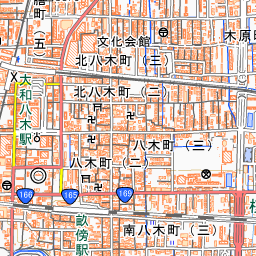
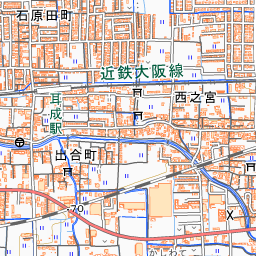
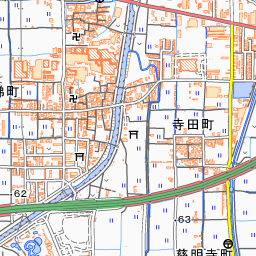
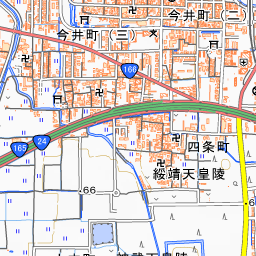
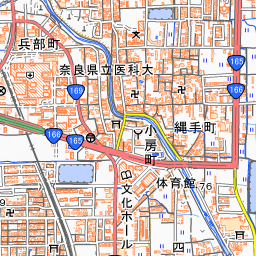
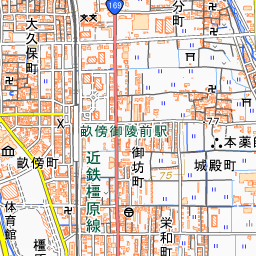
It is about a 25-minute walk from Kintetsu Yamato-Yagi Station. Alternatively, take a bus from Yamato-Yagi Station or Kashiharajingu-mae Station, get off at "Ofusa," and walk for about 5 minutes. Upon entering the temple grounds, first pay your respects at the main hall. You can also worship the Thousand-armed Kannon, enshrined as the principal image of the Yamato Thirteen Buddha Pilgrimage, from the outside. Afterward, it is recommended to stroll around Enku Garden while viewing the giant ginkgo, the carp pond, and the turtle pond. The giant ginkgo, a symbol of Ofusa Kannon Temple, is said to have stood on the grounds since the Meiji period. To the west lies the historic townscape of Imaicho.
Use asobot while you walk
- See where you are on the map and find spots nearby
- Listen to the guide's audio in course order, one after another (with subtitles)
- Walk to the next spot while following the map
Open on your phone
Scan to open this spot in asobot on your phone.