
Manshu-in Temple
Japanese: 曼殊院
Sakyo Ward, Kyoto
This information was written by AI and may contain mistakes. Please check official sources for opening hours, fees, and other details before you go.
Found a mistake? Let us know with “✏️ Something's wrong” on this spot's screen in asobot →
🎧 Audio guide(1:15)
In short
A monzeki temple of the Tendai sect in Ichijoji, Sakyo Ward, Kyoto City, also known as Takenouchi Monzeki. It originated as a temple that Dengyo Daishi Saicho founded on Mt. Hiei during the Enryaku era, and what is now Manshu-in Temple was constructed when Prince Ryosho relocated the temple buildings to the current site in 1656 (Meireki 2). Designs shared with the Katsura Imperial Villa can be seen in the shoin's nail-head covers, sliding door handles, and decorative transoms, and it is called the "Little Katsura Imperial Villa."
- Oshoin Hall and Koshoin Hall: Important Cultural Properties considered representative surviving examples of Sukiya-style shoin architecture. In the "Fuji Room" of the Koshoin Hall, there are cloisonné nail-head covers shaped like Mt. Fuji, and in the "Tasogare Room," there is the "Manshu-in Shelf" made with parquetry of approximately 10 kinds of wood
- Scenic Shoin Garden: In front of the Oshoin Hall is a dry landscape garden in the style favored by Kobori Enshu, with a Crane Island and a Turtle Island, and the 400-year-old Japanese white pine on Crane Island represents a crane. Around early May, Kirishima azaleas bloom in deep crimson
- Wall Paintings of the Tiger Room: In the "Tiger Room" of the grand entrance hall, there are wall paintings depicting tigers and leopards chewing bamboo in a bamboo grove, handed down as the work of Kano Eitoku
History and Highlights
Manshu-in Temple is a monzeki temple (a temple traditionally headed by members of the imperial family) of the Tendai sect, located in Ichijoji, Sakyo Ward, Kyoto City. It is also known as Manshu-in Monzeki or Takenouchi Monzeki. Monzeki refers to temples where members of the imperial family served as head priests, and the five white horizontal lines remaining on the walls flanking the Chokushimon Gate (Imperial Messenger Gate) still convey its high status today.
Its history began during the Enryaku era (782–806), when Dengyo Daishi Saicho founded the temple on Mt. Hiei as a training center for the peace and protection of the nation. Later, when Kitano Tenmangu Shrine was built, Manshu-in served as its betto (administrative supervisor) for approximately 900 years until the Meiji Restoration.
In 1656 (Meireki 2), Prince Ryosho, the second imperial son of Prince Hachijo-no-miya Toshihito—the creator of the Katsura Imperial Villa—entered the temple. He relocated the temple buildings to the current site and constructed what is now Manshu-in Temple. The construction is said to have received advice from his elder brother, Prince Toshitada, who is said to have completed the Katsura Imperial Villa. Designs shared with the Katsura Imperial Villa can be seen in the shoin's nail-head covers (kugikakushi), sliding door handles, and decorative transoms (ranma), leading Manshu-in Temple to be called the "Little Katsura Imperial Villa."
Points for Appreciation and Experience
- Oshoin Hall and Koshoin Hall: Designated as Important Cultural Properties, the Oshoin Hall and Koshoin Hall are considered representative surviving examples of Sukiya-style shoin architecture. In the Oshoin Hall, which currently serves as the main hall, ink inscriptions reading "Meireki 2" and "Oshoin" were found during repairs, revealing that it was originally built as a shoin study. In the "Fuji Room" of the Koshoin Hall, there are cloisonné nail-head covers shaped like Mt. Fuji, and in the "Tasogare Room," the most prestigious room in the Koshoin Hall, there is the "Manshu-in Shelf" made with parquetry of approximately 10 kinds of wood.
- Scenic Shoin Garden: In front of the Oshoin Hall spreads a dry landscape (karesansui) garden in the style favored by Kobori Enshu, featuring a Crane Island and a Turtle Island placed within sand that depicts the flow of water. The 400-year-old Japanese white pine on Crane Island represents a crane, and a Manshu-in-style Christian lantern stands at its base. The garden is designated as a National Place of Scenic Beauty. Around early May, Kirishima azaleas around the Oshoin Hall bloom in deep crimson.
- Wall Paintings of the Tiger Room and Temple Treasures: In the "Tiger Room" of the grand entrance hall, there are wall paintings depicting tigers and leopards chewing bamboo in a bamboo grove, handed down as the work of Kano Eitoku. The temple's treasures include a Heian-period color painting on silk of Fudo Myoo (a National Treasure), widely known as the "Kifudo" (Yellow Fudo), though it is kept as a hidden Buddhist image.
Tips for Strolling
Manshu-in Temple is located at the southwestern foot of Mt. Hiei, to the south of Shugakuin Imperial Villa. Visitors can reach it by getting off at the "Ichijoji-Shimizucho" bus stop served by Kyoto City Bus and Kyoto Bus. The expression of the garden changes with each season—cherry blossoms in spring, Kirishima azaleas in early summer, autumn foliage, and snow in winter—and it is especially known as a famous autumn foliage spot. Located in the same Ichijoji area are other temples such as Shisendo Jozan-ji Temple, making it easy to visit them together.
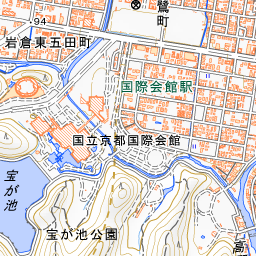
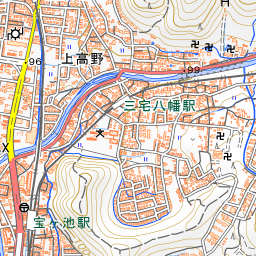
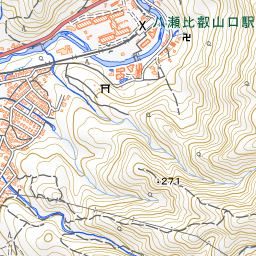
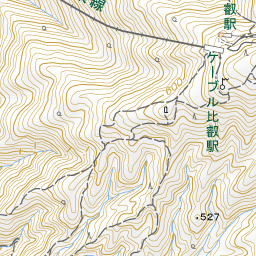
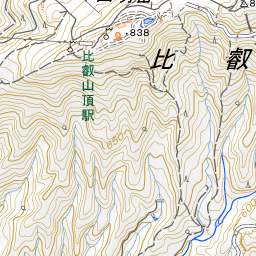
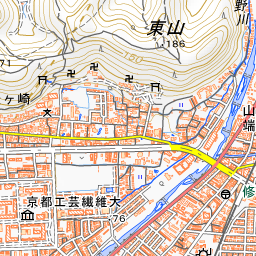

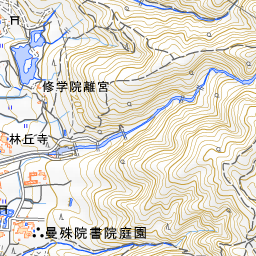
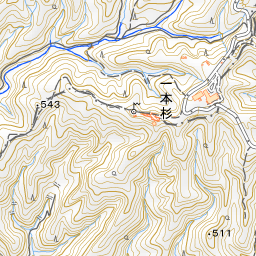
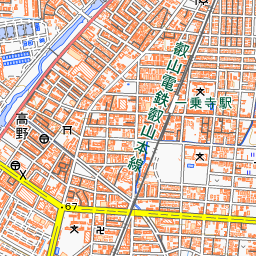
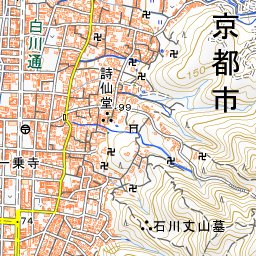
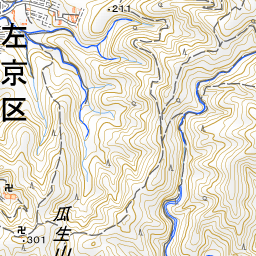
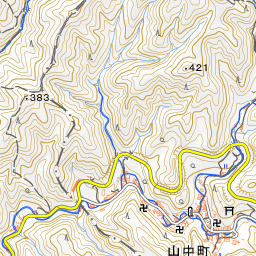

Spot location © OpenStreetMap contributors (ODbL)
Open in Google MapsGuides that include this spot (1)
Use asobot while you walk
- See where you are on the map and find spots nearby
- Listen to the guide's audio in course order, one after another (with subtitles)
- Walk to the next spot while following the map
Open on your phone
Scan to open this spot in asobot on your phone.