 ✨ AI Generated
Nihonbashi
Japanese: 日本橋
Chuo City, Tokyo
This information was written by AI and may contain mistakes. Please check official sources for opening hours, fees, and other details before you go.
Found a mistake? Let us know with “✏️ Something's wrong” on this spot's screen in asobot →
🎧 Audio guide(1:00)
In short
Spanning the Nihonbashi River, this twin-arch stone bridge served as the starting point of the Five Routes (Gokaido) during the Edo period. The current bridge was erected in 1911 (Meiji 44) and was designated a National Important Cultural Property in 1999 (Heisei 11). Embedded in the center of the bridge is the "Nihonkoku Doro Genpyo" (Japan Highway Origin Milestone).
- Winged Kirin Statues: Statues of the kirin—a mythical creature that originally has neither wings nor fins—are installed on the central pillars depicted with both wings and fins.
- Lion Statues and Bridge Inscription: At the four corners of the bridge, statues of lions hold the Tokyo City emblem, and the calligraphy for the "Nihonbashi" nameplates on the main pillars was penned by Tokugawa Yoshinobu.
- Genpyo Plaza: Located at the northwest base of the bridge, this plaza houses a replica of the Japan Highway Origin Milestone as well as the "Tokyo City Road Origin Milestone," which is a National Important Cultural Property.
History and Highlights
Nihonbashi is a bridge spanning the Nihonbashi River that connects Nihonbashi Muromachi 1-chome and Nihonbashi 1-chome. The original wooden bridge was constructed in 1603 (Keicho 8) by Tokugawa Ieyasu. In the following year, 1604 (Keicho 9), it was designated as the starting point of the Five Routes established by Ieyasu.
The present structure is the 20th-generation bridge, erected on April 3, 1911 (Meiji 44). It is a stone twin-arch bridge measuring approximately 49 meters long and 27 meters wide, with two arches extending to both riverbanks from a central pier in the river. Regarded as a representative decorative bridge created through the collaboration of civil engineers, architects, and sculptors, it was designated a National Important Cultural Property in 1999 (Heisei 11) for the harmonious blend of its Japanese, Chinese, and Western ornamental styles with the bridge itself. In 1963 (Showa 38), the Inner Circular Route of the Shuto Expressway was constructed directly above the bridge.
Embedded in the bridge's center roadway is the 50-centimeter square "Japan Highway Origin Milestone." The characters were written by Sato Eisaku, the Prime Minister at the time. Originally, the "Tokyo City Road Origin Milestone" stood on this spot and also served as a pole supporting the overhead wires for the Tokyo city tram. During road renovation work in 1972 (Showa 47), the Tokyo City Road Origin Milestone was relocated to Genpyo Plaza at the northwest foot of the bridge, and the Japan Highway Origin Milestone was embedded in its place.
Viewing and Experience Points
- Kirin Statues: Bronze statues of kirin stand on both sides of the large decorative pillars in the center of the bridge. The kirin is a sacred mythical creature of Chinese lore that typically has neither wings nor fins. The kirin on Nihonbashi possess both wings and fins, expressing the wish that the bridge and the district would soar and make further leaps forward.
- Lion Statues: On the pedestals at the bridge's four corners stand statues of lions holding the Tokyo City emblem like shields, symbolizing the protection and dignity of Tokyo City. The original models for both the kirin and the lions were crafted by the sculptor Watanabe Osao.
- Bridge Name Calligraphy: Relief plates inscribed with the characters "Nihonbashi" are mounted on the four main pillars. The characters were brushed by Tokugawa Yoshinobu, the final shogun of the Tokugawa shogunate.
Visiting Tips
Nihonbashi is a 2-minute walk from Tokyo Metro Mitsukoshimae Station and 3 minutes from Nihombashi Station. A recommended way to understand the history of the bridge is to first visit Genpyo Plaza at the northwest foot to see the replica of the Japan Highway Origin Milestone and the Tokyo City Road Origin Milestone, before heading onto the bridge to compare the kirin, lions, and the inscriptions on the main pillars. As the actual Japan Highway Origin Milestone is located in the middle of the roadway, please do not step into the roadway to get closer to it. On the eastern side across the street from Genpyo Plaza at the northern base stands a monument marking the birthplace of the Nihonbashi Fish Market. The Nihombashi Mitsukoshi Main Store is located approximately 220 meters to the north, and the Mitsui Memorial Museum is about 360 meters to the north.
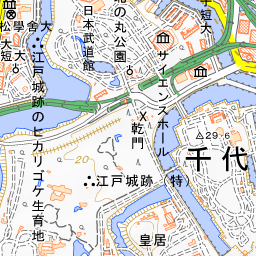
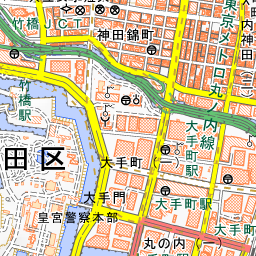
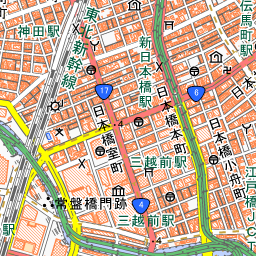
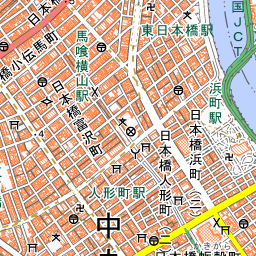
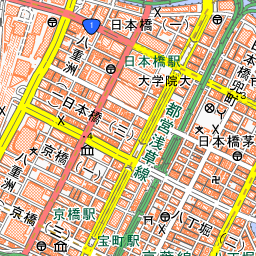
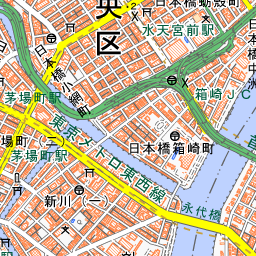


Spot location © OpenStreetMap contributors (ODbL)
Open in Google MapsGuides that include this spot (1)
Use asobot while you walk
- See where you are on the map and find spots nearby
- Listen to the guide's audio in course order, one after another (with subtitles)
- Walk to the next spot while following the map
Open on your phone
Scan to open this spot in asobot on your phone.