
Kairyuo-ji Temple
Japanese: 海龍王寺
Nara City, Nara
This information was written by AI and may contain mistakes. Please check official sources for opening hours, fees, and other details before you go.
Found a mistake? Let us know with “✏️ Something's wrong” on this spot's screen in asobot →
🎧 Audio guide(1:05)
In short
Kairyuo-ji Temple is a Shingon Risshu sect temple associated with Empress Komyo. Tradition holds that it received its name after the envoy monk Genbo chanted the "Kairyuo-kyo" sutra amidst a stormy sea and returned safely to Japan. Housed inside the Saikon-do Hall is a 4.01-meter-tall miniature five-story pagoda, designated a National Treasure.
- Miniature Five-Story Pagoda (Goju-shoto): A small pagoda enshrined in the Saikon-do Hall since the temple's founding, conveying the architectural style of five-story pagodas of the Nara period.
- Saikon-do Hall: A building surviving from the time of the temple's founding. Its scale and form are said to be largely unchanged.
- Approach with Tsuijibei Mud Walls: Passing through the front gate leads to an approach flanked on both sides by mud walls (tsuijibei). In spring, bridal wreath spirea decorates the temple grounds in white.
History and Highlights
Kairyuo-ji Temple is a temple of the Shingon Risshu sect. The palace of Empress Komyo was adjacent to the east of Heijo Palace, and the temple was situated inside this palace. Because it was located in the northeastern corner of the Empress's palace, it was also known in ancient times as Sumidera (Corner Temple).
Its history began in 710 (Wado 3), the year of the transfer of the capital to Heijo-kyo. When Fujiwara no Fuhito established his residence on this site, he preserved without demolishing a temple that stood in its northeastern corner. This temple, which had existed since the Asuka period, was the predecessor of Kairyuo-ji Temple.
Following the death of Fuhito, his daughter Empress Komyo inherited the residence and turned it into the Empress's palace. In 731 (Tenpyo 3), wishing for the safe return with Buddhist teachings of Genbo, a monk who had traveled to Tang China to study, the Empress developed the temple compound (garan). It is said that Genbo encountered a violent storm on his return voyage, but was able to return safely after earnestly chanting the "Kairyuo-kyo" sutra. Tradition holds that the temple was named Kairyuo-ji Temple after this event.
Genbo, who became the head priest, was dedicated to lecturing on the Heart Sutra, and sutra copying was actively practiced at the temple. Copies of the sutra known as "Sumidera Shingyo" survive to this day.
When the capital moved to Heian-kyo, the temple gradually declined. In the Kamakura period, Eison, who revived Saidai-ji Temple, restored the compound, and the temple flourished as a training ground for monastic precepts. During the anti-Buddhist movement (haibutsu kishaku) of the Meiji period, the Tokon-do Hall was lost.
Highlights for Viewing and Experiencing
- Miniature Five-Story Pagoda in the Saikon-do Hall: A small five-story pagoda measuring 4.01 meters in height, enshrined inside the Saikon-do Hall since the temple's founding. It is highly valued as a pagoda that conveys the architectural style of five-story pagodas of the Nara period. It is believed that small pagodas were housed individually in the east and west Kondo halls in order to accommodate a compound layout featuring both east and west pagodas within limited grounds. It was designated a National Treasure in 1951 (Showa 26).
- Saikon-do Hall and Sutra Repository (Kyozo): The Saikon-do Hall is a structure dating from the temple's founding, retaining some timber from the Nara period. Its scale and form are said to be largely unchanged. The sutra repository is an elevated storehouse built in 1288 (Shoo 1), when Eison revived the temple. Both are Important Cultural Properties.
- Buddhist Statues in the Main Hall (Hondo): The principal image, the Standing Statue of Eleven-Headed Kannon Bosatsu (Juichimen Kannon Bosatsu Ryuzo), was created in the Kamakura period by a sculptor of the Kei school, based on a statue carved by Empress Komyo herself. Usually viewed through an altar curtain, it is revealed during special unveilings, such as in spring and autumn.
Tips for Exploring
The front gate is a four-legged gate (shikyakumon) situated facing what was the Higashinibo-oji Avenue of Heijo-kyo. After passing through the gate, you walk along an approach bordered on both sides by mud walls (tsuijibei). After paying your respects at the Main Hall, visit the Saikon-do Hall to view the miniature five-story pagoda. Across from the Saikon-do Hall, the foundation platform remains of the Tokon-do Hall can be seen. In spring, bridal wreath spirea blooms, blanketing the precincts in white.
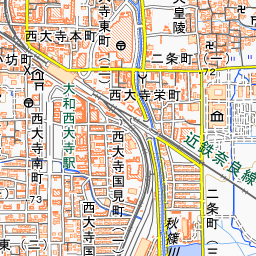
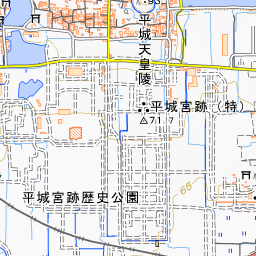
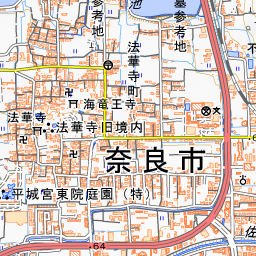
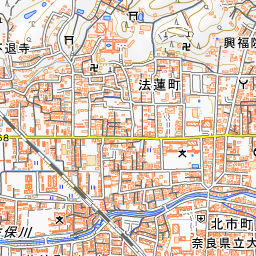
Take a bus from either JR Nara Station or Kintetsu-Nara Station, get off at "Hokkeji-mae," and walk for 1 minute. Hokke-ji Temple is located about 120 meters to the west, and further west is the Nara Palace Site Historical Park. Together with Futai-ji Temple about 680 meters to the east, you can tour the temples along Sahoji Road.
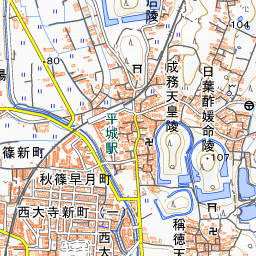

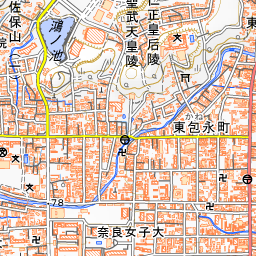
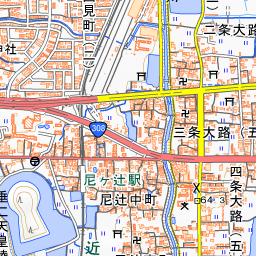
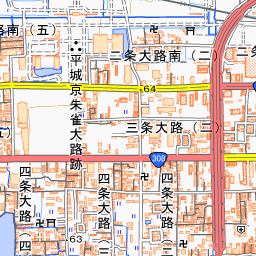
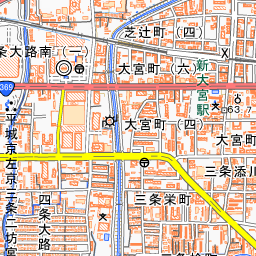

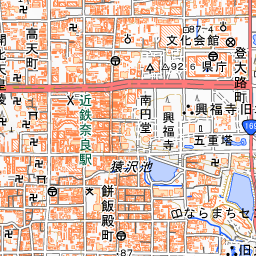
Spot location © OpenStreetMap contributors (ODbL)
Open in Google MapsGuides that include this spot (1)
Use asobot while you walk
- See where you are on the map and find spots nearby
- Listen to the guide's audio in course order, one after another (with subtitles)
- Walk to the next spot while following the map
Open on your phone
Scan to open this spot in asobot on your phone.