 ✨ AI Generated
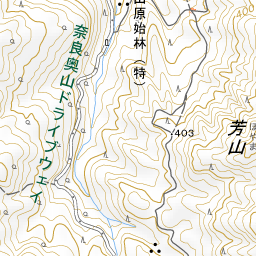
Kasugayama Primeval Forest
Japanese: 春日山原始林
Nara City, Nara
This information was written by AI and may contain mistakes. Please check official sources for opening hours, fees, and other details before you go.
Found a mistake? Let us know with “✏️ Something's wrong” on this spot's screen in asobot →
🎧 Audio guide(1:10)
In short
Kasugayama Primeval Forest is a forest stretching east of Kasuga-taisha Shrine and behind the sacred Mt. Mikasa. Ever since hunting and logging were banned in 841, it has been protected as the sacred precinct of Kasuga-taisha Shrine. It was designated a Special Natural Monument in 1955 and registered in 1998 as one of the components of the World Heritage site "Historic Monuments of Ancient Nara."
- Laurel Forest and Giant Trees: Towering cedars and firs several centuries old stand among the evergreen broad-leaved laurel forest of chinquapin and oak.
- Forest Creatures in Shaded Canopies: Rare creatures such as the forest green tree frog and the small Himeharuzemi cicada inhabit this forest, which remains dark even during the day.
- Paths with Stone Buddhas: Along the southern edge of the forest runs the Takisaka-no-michi path, lined with stone Buddhist statues dating from the Kamakura and Muromachi periods.
History and Highlights
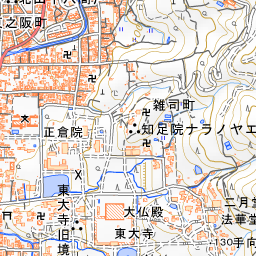
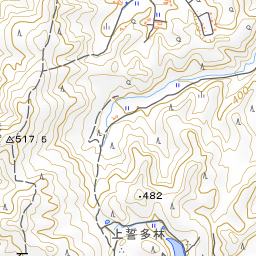
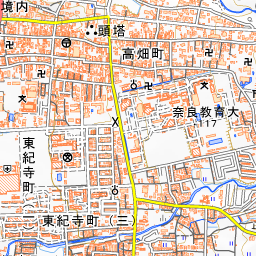
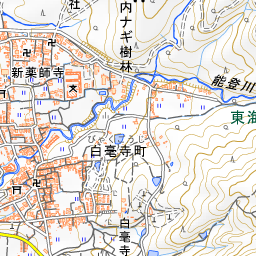
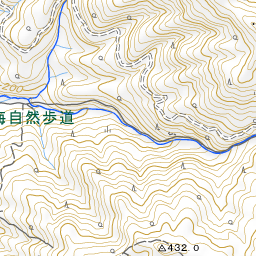
Kasugayama Primeval Forest is located east of Nara Park, stretching behind Mt. Mikasa, the sacred mountain of Kasuga-taisha Shrine. In 841 (the 8th year of the Jowa era) during the Heian period, an imperial decree prohibited hunting and logging, and the forest has been protected ever since as sacred ground for Kasuga-taisha Shrine.
The forest features an evergreen broad-leaved laurel forest dominated by species such as chinquapin and oak, within which stand giant cedar and fir trees hundreds of years old. With around 800 plant species, it nurtures an abundance of wildlife, including wild birds, deer, and giant flying squirrels. It was designated a Natural Monument in 1924, a Special Natural Monument in 1955, and was inscribed in 1998 as one of the components of the World Heritage site "Historic Monuments of Ancient Nara."
However, it was not completely untouched by human hands. The eastern slope of Kasugayama is known as Hanayama, where shikimi (Japanese star anise) for Buddhist rituals at Kofuku-ji Temple and Todai-ji Temple, as well as sakaki for Shinto rituals at Kasuga-taisha Shrine, were collected. Records show that Toyotomi Hideyoshi planted about 10,000 cedar trees in the 16th century, and hundreds of giant cedars believed to date back to that time still survive today. While not a "primeval forest" in the strictest sense, it is a forest that symbolizes the traditional Japanese view of nature, having coexisted with humans for over a thousand years.
Highlights for Visitors
- Giant Trees in the Forest: Along the walking trail, visitors can encounter giant cedar and fir trees. In the forest, which remains dim even in the daytime, rare creatures dwell, including the forest green tree frog, Himeharuzemi cicada, and clouded salamander.
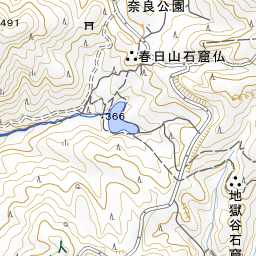
- Grotto Buddhas and Kubikiri Jizo: The Kasugayama Grotto Buddhas are a group of nearly 20 stone Buddhas carved into the cave walls, believed to date back to the end of the Heian period. Kubikiri Jizo, a stone statue split into two at the neck, carries a legend that the Edo-period master swordsman Araki Mataemon tested his sword on it.
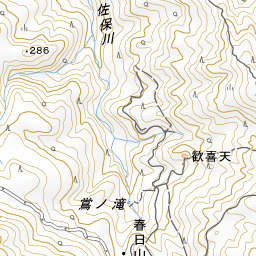
- Uguisu Falls: A waterfall with a height of around 10 meters, considered the source of the Saho River.
Walking Tips
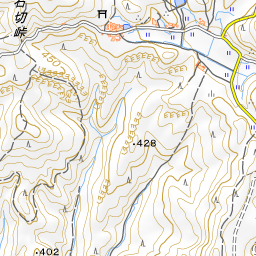
In the early Showa period, a roadway passing through the forest was constructed, but vehicular traffic was partially restricted in 1973. Today, motor vehicles are permitted only on the Nara Okuyama Driveway, while the other trails can be enjoyed on foot along the Kasugayama walking paths. The start of the walking trail is about a 15-minute walk from the Wariishicho bus stop.
The circuit course around the forest is approximately 11 km, while the Takisaka-no-michi course, following stone pavements and stone Buddhas, is about 9.5 km. The southern part of the forest served as a training ground for Buddhist monks from the Nara period, and stone Buddhas from the Kamakura and Muromachi periods remain there today. During the Edo period, the Nara Magistrate's Office paved and maintained it as the Takisaka-no-michi. In the Yamato Meisho Zue, it was introduced as a scenic spot for autumn foliage.
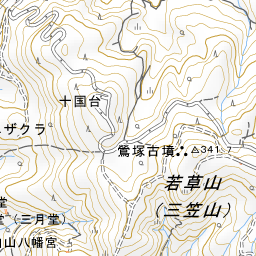
Leaving the trail to enter the forest, gathering plants, and lighting fires are strictly prohibited. Mt. Wakakusa is located to the northwest of the forest.
Guides that include this spot (1)
Use asobot while you walk
- See where you are on the map and find spots nearby
- Listen to the guide's audio in course order, one after another (with subtitles)
- Walk to the next spot while following the map
Open on your phone
Scan to open this spot in asobot on your phone.