 ✨ AI Generated
Yata-dera Temple
Japanese: 矢田寺
Yamatokoriyama, Nara
This information was written by AI and may contain mistakes. Please check official sources for opening hours, fees, and other details before you go.
Found a mistake? Let us know with “✏️ Something's wrong” on this spot's screen in asobot →
🎧 Audio guide(0:56)
In short
Yata-dera Temple is a temple of the Koyasan Shingon sect located halfway up Mt. Yata, in the heart of the Yata Hills. Its official name is Kongosen-ji Temple, and it has long been affectionately known as "Yata no Ojizo-san" (the Jizo of Yata). With approximately 10,000 hydrangeas across about 60 varieties planted on its grounds, it is also known as the "Hydrangea Temple."
- A Temple of Jizo Faith: Since Jizo Bosatsu was enshrined here in the early Heian period, it has flourished as a center of Jizo devotion.
- Yata-style Jizo: These statues feature a distinctive posture, forming what resembles the raigoin (welcoming mudra) of Amida Nyorai by joining the right thumb and index finger.
- Miso-name Jizo: A large Jizo statue standing halfway along the approach, associated with a legend of smearing miso on its mouth.
History and Highlights
Yata-dera Temple stands halfway up Mt. Yata in the center of the Yata Hills, about 3.5 kilometers west of the castle town of Koriyama. Officially named Yatasan Kongosen-ji Temple, it belongs to the Koyasan Shingon sect and has long been warmly known as "Yata no Ojizo-san."
According to temple lore, about 1,300 years ago, Prince Oama—later Emperor Tenmu—climbed Mt. Yata to pray for victory in the Jinshin War. After ascending the throne, the Emperor is said to have ordered the priest Chitsu to construct a temple complex of seven main halls (shichido garan) and 48 sub-temples. A statue of Emperor Tenmu is enshrined in the Mieido hall on the temple grounds.
The original principal images of worship were the Eleven-Headed Kannon Bosatsu and Kichijoten. In the Konin era during the early Heian period, after Manmai Shonin enshrined Jizo Bosatsu, the temple flourished as a center of Jizo devotion. Legend has it that Manmai Shonin was guided by Ono no Takamura to visit Enma Daio (the King of the Underworld), where he encountered Jizo Bosatsu suffering in place of the dead in hell, and he carved the principal image based on that vision. The wooden standing statue of Jizo Bosatsu, the temple's principal image, is designated as a national Important Cultural Property. The temple also preserves many other Buddhist statues that are Important Cultural Properties.
The temple began planting hydrangeas around 1965 in connection with the principal image of Jizo. Today, approximately 10,000 plants of around 60 varieties are planted across the approximately 25,000-square-meter grounds, earning it the nickname "Hydrangea Temple." According to the temple, the flowers bloom about a week to ten days later than in the urban areas of the Kansai region, allowing visitors to enjoy them from early June through early July.
Highlights for Viewing and Experiencing
- Yata-style Jizo: While most Jizo statues hold a staff in the right hand, many Jizo statues at Yata-dera Temple have the thumb and index finger of the right hand joined. This posture resembles the raigoin of Amida Nyorai, and it is said to embody the virtues of both Jizo and Amida.
- Miso-name Jizo: A large Jizo statue standing on the right side halfway along the approach from Daimonbo to the Main Hall. According to tradition, when a farm woman troubled by the taste of her homemade miso smeared miso on the statue's mouth as instructed in a dream, the flavor was restored.
- Hydrangeas and the Sacred Jewel: The temple notes that the round blossoms of hydrangeas resemble the shape of the wish-fulfilling jewel (hoju) held in Jizo's hand. Try comparing the shape of the flowers with the hand of the Jizo statues.
Walking Tips
The nearest stations are Kintetsu-Koriyama Station and JR Yamato-Koizumi Station, from which you can take a Nara Kotsu bus. It is about a 10-minute walk from the "Yatadera-mae" bus stop. Because the temple is located halfway up a mountain, be prepared to walk along slopes. On the hill behind the Main Hall is the Yata-dera 88 Sacred Sites Pilgrimage Route established during the Taisho era; along this roughly 3.5-kilometer circuit among stone Buddha statues, you can overlook peaceful views of the Nara Basin. The Nara Prefectural Museum of Folklore lies about 1.7 kilometers to the east-northeast, and Matsuo-dera Temple is located about 1.8 kilometers to the south-southwest.
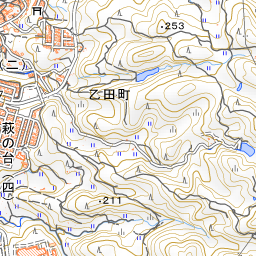
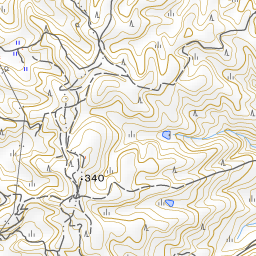
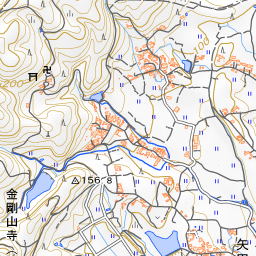
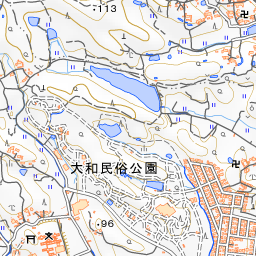
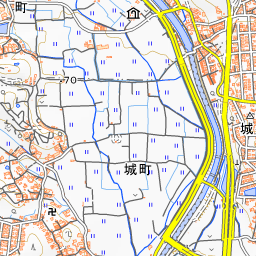
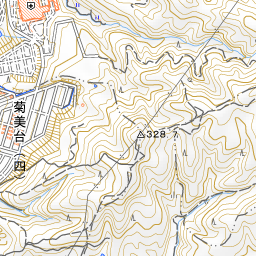
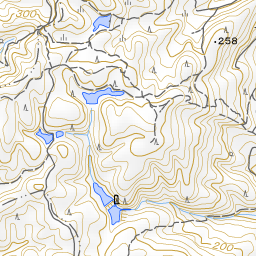
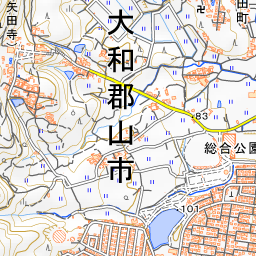
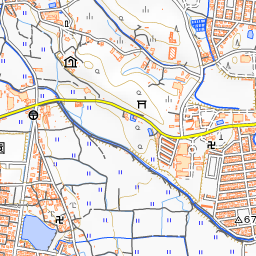
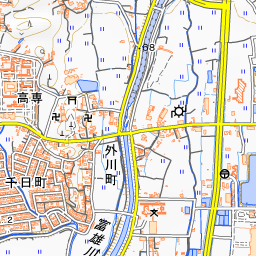
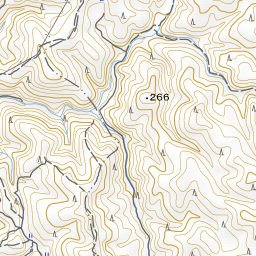
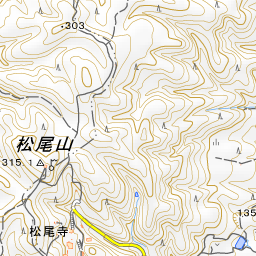
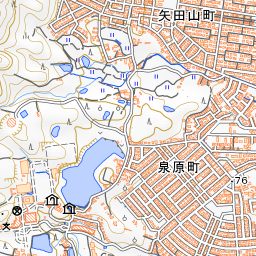
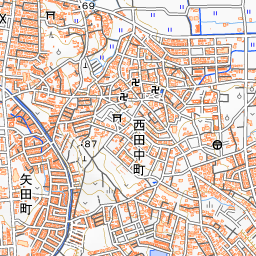
Spot location © OpenStreetMap contributors (ODbL)
Open in Google MapsUse asobot while you walk
- See where you are on the map and find spots nearby
- Listen to the guide's audio in course order, one after another (with subtitles)
- Walk to the next spot while following the map
Open on your phone
Scan to open this spot in asobot on your phone.