 ✨ AI Generated
Tsubosaka-dera Temple (Minami-Hokke-ji Temple)
Japanese: 壷阪寺(南法華寺)
Takatori Town, Nara
This information was written by AI and may contain mistakes. Please check official sources for opening hours, fees, and other details before you go.
Found a mistake? Let us know with “✏️ Something's wrong” on this spot's screen in asobot →
🎧 Audio guide(1:08)
In short
Tsubosaka-dera Temple (Minami-Hokke-ji Temple) is the 6th temple of the Saigoku 33 Kannon Pilgrimage, standing on the mountain of Tsubosaka in the town of Takatori. It is said to have been founded in 703 by Monk Benki of Gango-ji Temple. The principal image, the Eleven-faced Thousand-armed Kannon, has been revered since ancient times as a protector of eye health, and the temple is also known through the story of Osato and Sawaichi, "Tsubosaka Reigenki."
- Hakkaku-endo (Octagonal Hall): The octagonal main hall enshrining the principal image; one academic theory suggests it may be the first octagonal hall ever built in Japan.
- Reido (Worship Hall) and Sanjunoto (Three-Story Pagoda): Both are designated Important Cultural Properties of Japan; the three-story pagoda was rebuilt in 1497.
- Great Stone Statue of Kannon from Tenjiku: A large stone statue of Kannon sculpted into 66 separate pieces in India, brought to Japan, and assembled on-site.
History and Highlights
Tsubosaka-dera Temple is also called Minami-Hokke-ji Temple. It stands on the mountain of Tsubosaka, commanding a panoramic view of Mt. Yoshino—famous for its cherry blossoms—to the south, and the Yamato Sanzan Mountains and the Nara Basin to the north. It is the 6th stop on the Saigoku 33 Kannon Pilgrimage and is widely known as a temple for preventing and curing eye diseases.
The temple's origin is said to date back to 703, when Monk Benki of Gango-ji Temple was practicing ascetic training on this mountain. He placed his cherished crystal pot in a hermitage atop the slope, carved the image of Kannon he had sensed, and enshrined it there. According to the "Koro-den" preserved at the temple, Empress Gensho designated Tsubosaka-dera Temple as an imperial chokuganji temple, naming it Minami-Hokke-ji Temple.
The principal image, the Eleven-faced Thousand-armed Kannon, has long attracted devotion as a Kannon of the eyes. This devotion is conveyed in the tale of "Tsubosaka Reigenki." For the sake of the blind Sawaichi, his wife Osato visited the temple every morning for three years without fail to pray to Kannon. Learning of this, Sawaichi threw himself into a valley to set Osato free. Osato leapt in after him, but through the miraculous power of Kannon, both were spared and Sawaichi's sight was restored.
Viewing and Experience Points
- Hakkaku-endo: The octagonal main hall enshrining the principal image. The current building is said to have been reconstructed during the Edo period. There is also an academic theory proposing that the main hall of Tsubosaka-dera Temple might be the first octagonal hall built in Japan.
- Reido and Sanjunoto: The Reido is a worship hall for praying to the principal image; during dismantling and repair in the Showa period, it was rebuilt to its Muromachi-period scale and appearance. The three-story pagoda was rebuilt in 1497. Both are designated national Important Cultural Properties.
- Statues of Osato and Sawaichi: Beside the main hall lies the "Valley of the Leap," where the couple is said to have thrown themselves. Statues of Osato and Sawaichi stand above that valley.
Travel Tips
On the temple grounds, there are many stone Buddhist statues welcomed through exchanges with India. The Great Stone Statue of Kannon from Tenjiku was carved from a 20-meter giant boulder divided into 66 pieces, transported to Japan, and assembled; its eye-opening consecration ceremony was held in 1983. There is also an Eyeglass Memorial Kannon, where old glasses and contact lenses are dedicated in the pedestal for a memorial service. Every year on October 18, an Eyeglass Memorial Service is held in the main hall. A tour of the grounds takes about 50 minutes. It is about a 60-minute walk from Kintetsu Tsubosakayama Station. Takatori Castle Ruins to the east-northeast is about a 1-hour walk away. By climbing up to Takatori Castle Ruins from the castle town along the Tosa Kaido and descending to Tsubosaka-dera Temple, visitors can explore the Takatori castle town, castle ruins, and the temple all together.
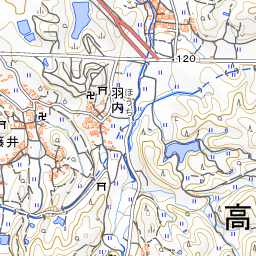
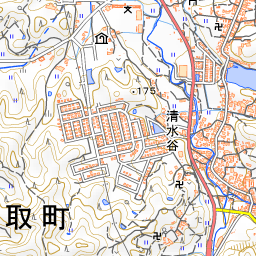
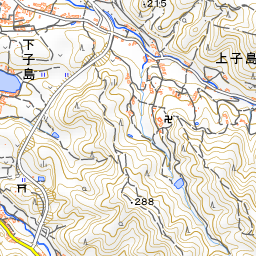
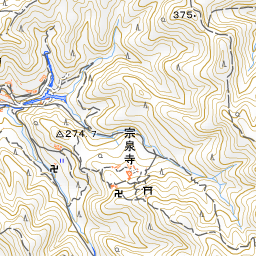
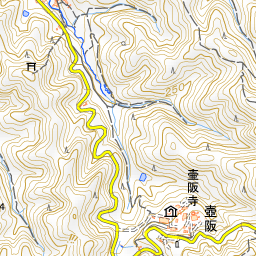
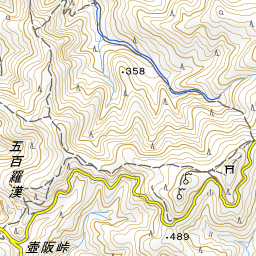
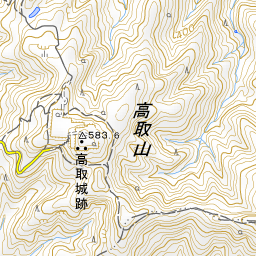
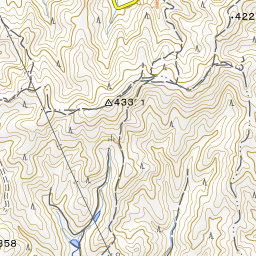
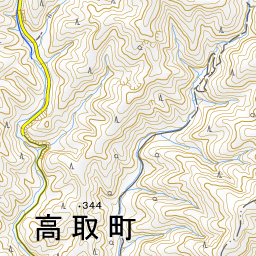
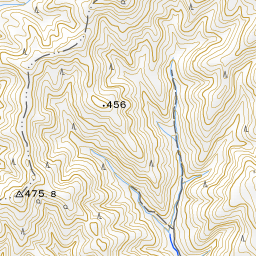
Spot location © OpenStreetMap contributors (ODbL)
Open in Google MapsGuides that include this spot (1)
Use asobot while you walk
- See where you are on the map and find spots nearby
- Listen to the guide's audio in course order, one after another (with subtitles)
- Walk to the next spot while following the map
Open on your phone
Scan to open this spot in asobot on your phone.