 ✨ AI Generated
Tobu Museum
Japanese: 東武博物館
Sumida City, Tokyo
This information was written by AI and may contain mistakes. Please check official sources for opening hours, fees, and other details before you go.
Found a mistake? Let us know with “✏️ Something's wrong” on this spot's screen in asobot →
🎧 Audio guide(0:58)
In short
The Tobu Museum introduces the history and role of Tobu Railway so visitors can become more familiar with trains and buses as everyday means of transportation. It opened in 1989 to commemorate the 90th anniversary of Tobu Railway's founding. On display are actual vehicles carefully preserved even after retirement, including a steam locomotive imported from the UK for the railway's initial opening.
- Steam Locomotive No. 5: The locomotive that marked the starting point of Tobu Railway, restored to its appearance at the time of the opening. Visitors can watch a demonstration where it sounds its whistle and turns its wheels.
- Watching Promenade: From beneath the platform of Higashi-Mukojima Station, you can observe the wheels and motors of trains currently in operation from up close.
- Driving Experience and Giant Panorama: Experience driving from the cab of a Tobu train or the driver's seat of an actual bus. In the giant panorama, about 130 model train cars run.
History and Highlights
The Tobu Museum is a railway and bus museum located in Higashi-Mukojima, Sumida Ward. It opened on May 20, 1989, to commemorate the 90th anniversary of the founding of Tobu Railway, which was established in 1897. The interior is divided into eight sections that introduce the history, culture, and role of Tobu Railway.
Tobu Railway opened in 1899 over a 40.1-kilometer section between Kita-Senju and Kuki. At that time, it began operations by importing steam locomotives from Beyer, Peacock & Company in the UK. The steam locomotives later primarily handled freight, and were completely phased out in 1966.
Both indoors and outdoors, actual vehicles that were carefully preserved after retirement are lined up. One of them is the Deha 1 Type No. 5, a wooden train car that ran when Tobu Railway first electrified the section between Asakusa (now Tokyo Skytree Station) and Nishiarai in 1924. Also featured are the front section of the 1720 series Deluxe Romancecar, which was long popular as a limited express to Nikko and Kinugawa Onsen, as well as a streetcar that once ran through Nikko.
Viewing and Experience Highlights
- Steam Locomotive No. 5: The locomotive that served as the starting point of Tobu Railway. One of 12 imported in 1898 for the opening, it has been restored to its appearance at the time of the opening. It is characterized by its golden brass steam dome and the bow-shaped nameplate attached to the splasher over the first driving wheel. Visitors can watch a roughly 3-minute demonstration in which it sounds its whistle and turns its wheels.
- Watching Promenade: Located beneath the platform of Higashi-Mukojima Station, this spot allows you to observe the wheels, motors, and other parts of operating trains from up close. It is also popular as a place to photograph the underside of trains, which is usually difficult to capture.
- Driving Experience and Giant Panorama: You can experience driving in the cab of a Tobu train or the driver's seat of an actual bus. In the giant panorama measuring 14 meters wide and 7 meters deep, a show featuring about 130 model train cars running introduces a day in the life of Tobu Railway.
Tips for Exploring
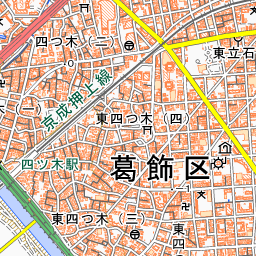
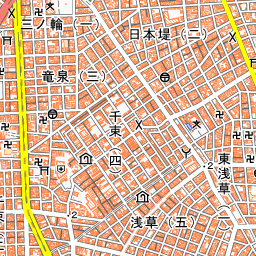
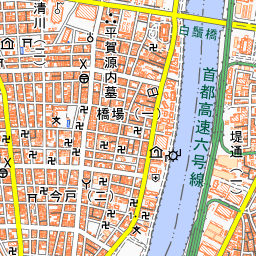
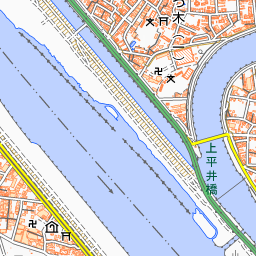
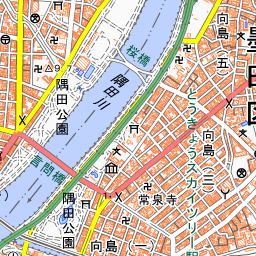
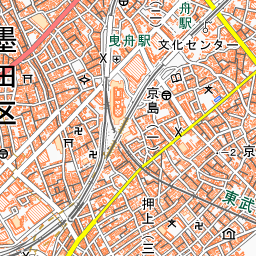
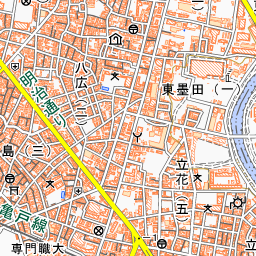
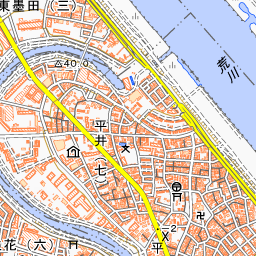
The museum is adjacent to Higashi-Mukojima Station on the Tobu Skytree Line; exit the ticket gates and proceed to the right along Hakubutsukan-mae Dori. On the second floor is the Mukojima Satellite, which introduces the culture and history of Mukojima. Mukojima is a name for the area along the eastern bank of the Sumida River, carrying the meaning of "the island across" as seen from Edo. The steam locomotive demonstration and the panorama show have scheduled start times. Mukojima-Hyakkaen Gardens is located about 360 meters to the west.



Use asobot while you walk
- See where you are on the map and find spots nearby
- Listen to the guide's audio in course order, one after another (with subtitles)
- Walk to the next spot while following the map
Open on your phone
Scan to open this spot in asobot on your phone.