 ✨ AI Generated
Yanagidani Kannon Temple
Japanese: 柳谷観音
Nagaokakyo, Kyoto
This information was written by AI and may contain mistakes. Please check official sources for opening hours, fees, and other details before you go.
Found a mistake? Let us know with “✏️ Something's wrong” on this spot's screen in asobot →
🎧 Audio guide(1:04)
In short
The popular name for Yokoku-ji Temple in Jododani, Nagaokakyo City. As a temple where people pray for the healing of eye diseases, it has been supported by the faith of many people, including the imperial family and court nobles. According to the temple's origins, its history began in the first year of the Daido era (806), when Enchin Sozu, the founder of Kiyomizu-dera Temple, found an Eleven-Faced Thousand-Armed Thousand-Eyed Kannon Bodhisattva on a rock in a valley where willows grew thick and enshrined it. It is one of the "Three Mountains of Western Kyoto (Kyoto Nishiyama Sanzan)," and it is also the 17th temple of the New Saigoku Pilgrimage.
- Okozui: There is a legend that Kukai, seeing a parent monkey washing the eyes of its infant monkey, prayed for 17 days, the infant monkey's eyes opened, and Kukai turned this water into sacred water for people suffering from eye diseases. In the Edo period, Okozui was presented to the imperial family until the Meiji era
- Main Hall and Jodo-en Garden: The ceiling of the main hall is built in the prestigious "double-tiered coved coffered ceiling" style. The garden "Jodo-en," a Place of Scenic Beauty designated by Kyoto Prefecture, was created in the mid-Edo period and features a three-tiered view that utilizes the mountain terrain
- Hanachozu and Hydrangeas: The temple calls itself the "birthplace of hanachozu (flower water basins)." Around 2017, it began regularly putting flowers in the chozubachi (water basin), which spread across the country. Along the approach known as the "Hydrangea Path (Ajisai no Michi)," about 5,000 hydrangea bushes bloom
History and Highlights
Yanagidani Kannon Temple is the popular name for Yokoku-ji Temple, located in Jododani, Nagaokakyo City. As a temple where people pray for the healing of eye diseases, it has been supported by the faith of many people, including the imperial family and court nobles. Along with Yoshimine-dera Temple and Komyo-ji Temple, it is counted as one of the "Three Mountains of Western Kyoto (Kyoto Nishiyama Sanzan)," and it is also the 17th temple of the New Saigoku Pilgrimage.
According to the temple's origins, its history began in the first year of the Daido era (806) during the Heian period. Enchin Sozu, the founder of Kiyomizu-dera Temple, received a divine revelation in a dream and entered the Western Mountains (Nishiyama). On a rock in a valley where willows grew thick, he found an Eleven-Faced Thousand-Armed Thousand-Eyed Kannon Bodhisattva with miraculous efficacy for eye ailments, and he built a hall on that spot to enshrine it.
In 811, Kukai, who had been appointed betto (head priest) of Otokuni-dera Temple, visited this temple. Legend has it that Kukai saw a parent monkey washing the eyes of its blind infant monkey with pooled water next to the hall. After Kukai prayed for 17 days, the infant monkey's eyes opened, and Kukai turned this water into sacred water for people suffering from eye diseases. That is the holy water known as Okozui. In the Edo period, following the healing of Emperor Reigen's eye illness, Okozui was presented as an offering to the imperial family until the Meiji era.
Sights and Experiences
- Main Hall and Hidden Principal Image: The ceiling of the main hall is built in the prestigious "double-tiered coved coffered ceiling (nijū-oriage gōtenjō)" style, which can only be found in Kyoto at Chion-in Temple, Shogoin Temple, Nijo Castle, and this temple. The principal image is normally a hidden Buddha, unveiled on occasions such as the 17th and 18th of each month.
- Jodo-en Garden and the Upper Shoin: The garden "Jodo-en," a Place of Scenic Beauty designated by Kyoto Prefecture, was created in the mid-Edo period and features a three-tiered view that utilizes the mountain terrain. It is also selected in the "One Hundred Historic Gardens of the Ancient Capital" by the garden designer Shigemori Mirei. The Upper Shoin, which is open to the public on limited days, was once a tea room where only special guests were admitted, and visitors can look out over the fresh green leaves or autumn foliage of the garden from the second floor.
- Hanachozu and Hydrangeas: The temple calls itself the "birthplace of hanachozu (flower water basins)." Around 2017, it began regularly floating flowers in the chozubachi (water purification basin), which spread across the country through the media and social networks. Along the approach known as "Hydrangea Path (Ajisai no Michi)," about 5,000 hydrangea bushes bloom.
Walking Tips
The sanmon (temple gate) is a four-legged gate (shikyakumon) through which only imperial family members and court nobles used to pass. In addition to Fresh Greenery Week from April to May, Hydrangea Week from June to July, and Autumn Foliage Week from November to December, a temple market (ennichi) is held on the 17th of every month. It takes about 15 minutes by taxi from Hankyu Nishiyama-Tennozan Station and JR Nagaokakyo Station, and shuttle buses run on festival days. By car, it is about 10 minutes from the Nagaokakyo Interchange on the Kyoto Jukan Expressway.

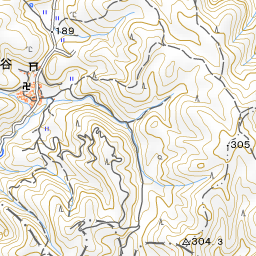
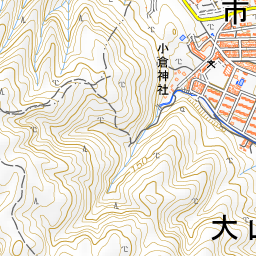
Spot location © OpenStreetMap contributors (ODbL)
Open in Google MapsUse asobot while you walk
- See where you are on the map and find spots nearby
- Listen to the guide's audio in course order, one after another (with subtitles)
- Walk to the next spot while following the map
Open on your phone
Scan to open this spot in asobot on your phone.