 ✨ AI Generated
Isuien Garden
Japanese: 依水園
Nara City, Nara
This information was written by AI and may contain mistakes. Please check official sources for opening hours, fees, and other details before you go.
Found a mistake? Let us know with “✏️ Something's wrong” on this spot's screen in asobot →
🎧 Audio guide(1:07)
In short
Isuien Garden is a Japanese garden designated as a national Place of Scenic Beauty, located just west of Todai-ji Temple. It consists of two pond-strolling gardens (chisen kaiyushiki teien) from different eras: the "Front Garden" from the early Edo period and the "Rear Garden" from the Meiji period. Within the grounds is the Neiraku Museum, which houses a collection of ancient East Asian art.
- Tranquil Front Garden: Created by Kiyosumi Dosei, an officially appointed purveyor of Nara-zarashi bleached linen, as part of his villa. It features an island shaped to resemble a crane and a turtle, and the stone arrangements along the water's edge retain characteristics of the Edo period.
- Borrowed Scenery in the Rear Garden: A Meiji-period garden that incorporates Mt. Wakakusa, Mt. Mikasa, and Todai-ji Temple's Nandaimon Gate into its landscape. Emerging from a narrow stone path, the view suddenly opens wide before you.
- Small Traces of History in the Garden: A stone said to be part of the central foundation stone (shinso) of Todai-ji Temple's lost West Pagoda is used as part of the revetment stonework along the pond.
History and Highlights
Isuien Garden is a Japanese garden composed of two types of pond-strolling gardens from different eras. In 1975 (Showa 50), it was designated as a national Place of Scenic Beauty. It is situated right next to the west of Todai-ji Temple.
Spreading out immediately to the right of the entrance is the "Front Garden." It was created during the Empo era of the early Edo period, in the 1670s, by Kiyosumi Dosei. Dosei was a chartered merchant dealing in Nara-zarashi, a high-grade linen fabric used for samurai ceremonial garments (kamishimo) and other attire. Alongside the Yoshiki River, to create a villa for enjoying steeped tea (sencha), Dosei relocated the Sanshutei, built the Teishuken pavilion, and laid out the garden.
The "Rear Garden" further inside was created by the Meiji-period businessman Seki Tojiro as a place to enjoy the tea ceremony and poetry gatherings. It is a pond-strolling garden with an artificial hill (tsukiyama), incorporating the distant Mt. Wakakusa, Kasugayama Primeval Forest (Kasuga Okuyama), Mt. Mikasa, and the neighboring Nandaimon Gate of Todai-ji Temple into its scenery. The island and artificial hill are covered with lawn, making it appear as if the grassy slopes of Mt. Wakakusa extend directly into the garden.
In 1939 (Showa 14), Nakamura Junsaku, who ran a shipping business, purchased Isuien Garden from the Seki family. The Neiraku Museum within the grounds houses and exhibits artworks collected across three generations of the Nakamura family. Its diverse collection includes ancient Chinese bronzes, ceramics from the Goryeo and Joseon periods, and Japanese tea utensils.
Viewing and Experience Highlights
- The Front Garden's Island and Stone Arrangements: An island shaped to resemble a crane and a turtle is built in the middle of the pond. Stone lanterns are positioned at key points, and the stonework along the water's edge retains the distinct hallmarks of early Edo-period gardening.
- The Sweeping Vista of the Rear Garden: Passing through the roji (tea garden path) beside Teishuken and Seishuan and emerging from the narrow stone-paved walkway, the view opens abruptly to reveal a spacious garden. As you stroll along the pond, the scenery transforms with each vantage point, including Hyoshintei and Yagyudo.
- History Preserved in Buildings and Stones: Hyoshintei is a Meiji-period shoin-style teahouse that incorporates antique Tenpyo-era timbers from Shin-Yakushi-ji Temple into elements such as its ceiling boards. Yagyudo is a hall that Seki Tojiro purchased and relocated from Hotoku-ji Temple, the family temple of the Yagyu clan. Among the revetment stones along the Rear Garden's pond, there remains a stone said to be part of the central foundation stone (shinso) that once supported the central pillar of Todai-ji Temple's West Pagoda.
Strolling Tips
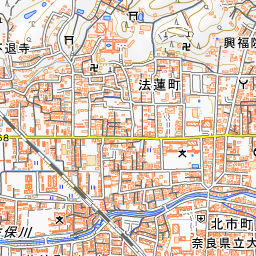
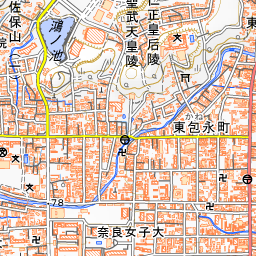
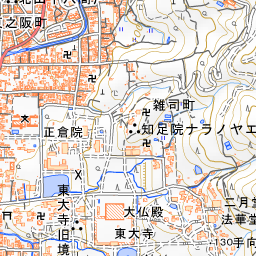
It is about a 15-minute walk from Kintetsu-Nara Station, or about a 3-minute walk from the "Kencho-higashi" bus stop on the city loop bus. Upon entering through the gate, first view the quiet pond and island in the Front Garden to your right. Afterwards, pass along the stone path into the Rear Garden, where the mountains and the roof of Todai-ji Temple's Nandaimon Gate unfold directly before you. Several abalone shells are placed on the thatched roofs of the buildings; these are meant to resemble the eyes of hawks, which crows fear, and serve to deter crows. Yoshikien Garden is next door about 80 meters to the southwest, Nara National Museum is about 270 meters to the south, and Todai-ji Temple is about 350 meters to the northeast.

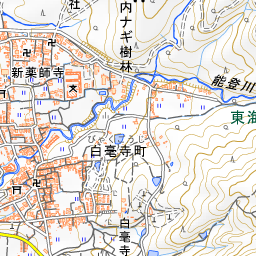
Spot location © OpenStreetMap contributors (ODbL)
Open in Google MapsGuides that include this spot (1)
Use asobot while you walk
- See where you are on the map and find spots nearby
- Listen to the guide's audio in course order, one after another (with subtitles)
- Walk to the next spot while following the map
Open on your phone
Scan to open this spot in asobot on your phone.