 ✨ AI Generated
Sanzen-in Temple
Japanese: 三千院
Sakyo Ward, Kyoto
This information was written by AI and may contain mistakes. Please check official sources for opening hours, fees, and other details before you go.
Found a mistake? Let us know with “✏️ Something's wrong” on this spot's screen in asobot →
🎧 Audio guide(1:08)
In short
Sanzen-in Temple, in Ohara, a mountain village at the foot of Mt. Hiei, is one of the Gokashitsu Monzeki temples of the Tendai sect. Its origins trace back to the Enryaku era, when Dengyo Daishi Saicho built a hall on Mt. Hiei. After relocating several times, it adopted the name Sanzen-in Temple in 1871 (Meiji 4), and following the Meiji Restoration, it moved to its current site in Ohara.
- Amida Triad Statues of Ojo Gokuraku-in: A hall whose ceiling was built in a coved boat-bottom shape to hold the National Treasure Amida Triad; the flanking bodhisattvas sit in the yamato-zuwari posture
- Yusei-en Garden and Warabe Jizo: A stroll garden with a central pond (chisen kaiyushiki), where cedars and Japanese cypresses rise from green moss, and small Warabe Jizo statues sit near Benten Pond
- Shuheki-en Garden and the Shinden: There is the garden of the Kyakuden (guest hall), said to have been remodeled by the Edo-period tea master Kanamori Sowa, and the Shinden hall, built in 1926 modeled after the Shishinden Hall of the Kyoto Imperial Palace
History and Highlights
Located approximately 12 kilometers north of the city of Kyoto in Ohara, a mountain village at the foot of Mt. Hiei, Sanzen-in Temple is one of the Gokashitsu Monzeki temples of the Tendai sect. Its origins trace back to the Enryaku era, when Dengyo Daishi Saicho built a simple hermitage beneath a large wild pear tree in the Totominamidani area of Mt. Hiei. Later, after Cloistered Imperial Prince Saiun entered the temple, it became a miya-monzeki (a temple whose head priest was traditionally an imperial prince or member of the imperial family) from the late Heian period onward.
Due to events such as fires and the Onin War, the temple was relocated multiple times—from Mt. Hiei to Sakamoto in Omi, and then into the city of Kyoto—taking on various names along the way, including Ennyu-bo, Nashimoto Monzeki, and Kajii-no-miya. In 1871 (the 4th year of Meiji), it adopted the name Sanzen-in Temple after a plaque brushed by Emperor Reigen that had hung in the palace's Jibutsu-do hall. Following the Meiji Restoration, the temple relocated to its current site in Ohara.
The Ojo Gokuraku-in hall within the precincts is a modest structure that can be considered the root of Sanzen-in Temple's history. It is said to have been built by Eshin Sozu Genshin, who authored the Ojoyoshu during the Heian period, together with the nun Anyoni to pray for the repose of their parents' souls.
Viewing and Experience Highlights
- Amida Triad Statues of Ojo Gokuraku-in: To accommodate the National Treasure Amida Triad, which is large relative to the hall itself, the ceiling was constructed with a coved boat-bottom design (funazoko). The flanking bodhisattvas, Kannon and Seishi, sit in a posture called yamato-zuwari, kneeling with their knees slightly parted and their upper bodies leaning forward, which is said to depict the exact moment of welcoming a departing soul into the Pure Land. The hall itself is an Important Cultural Property.
- Yusei-en Garden and Warabe Jizo: Yusei-en Garden is a stroll garden with a central pond (chisen kaiyushiki) viewed from the Shinden hall toward Ojo Gokuraku-in, with its name deriving from a phrase in a Chinese poem: "In mountains and waters, there are clear sounds." Cedars and Japanese cypresses rise from lush green moss. South of Ojo Gokuraku-in, near Benten Pond, sit small, moss-draped Warabe Jizo statues crafted by stone sculptor Sugimura Takashi.
- Shuheki-en Garden and the Shinden: Shuheki-en Garden, the pond-viewing garden adjoining the Kyakuden (guest hall), is said to have been remodeled by the Edo-period tea master Kanamori Sowa. The Shinden hall was constructed in 1926 modeled after the Shishinden Hall of the Kyoto Imperial Palace to hold the Osenboko ritual, an event originally observed in the imperial court.
Strolling Tips
It is about a 15-minute walk from the Kyoto Bus "Ohara" bus stop. The Ritsusen River flows north of the precincts and the Ryosen River flows to the south, and their names are said to derive from the term ryoritsu used in Buddhist chanting (shomyo). Across the Ritsusen River to the north lie Shorin-in Temple, Hosen-in Temple, and Jikko-in Temple. Exploring the village of Ohara, regarded as the birthplace of Tendai shomyo, together with Jakko-in Temple is also recommended.
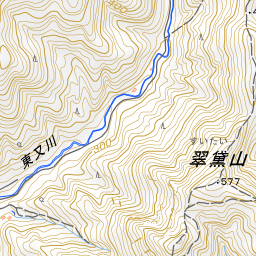
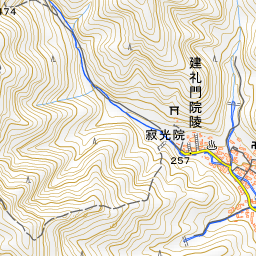
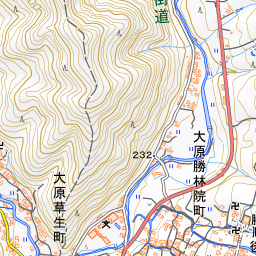
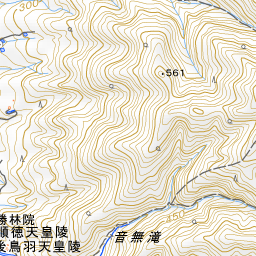
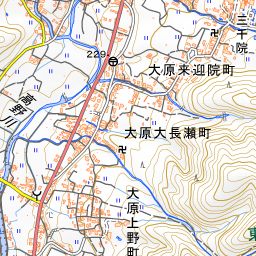
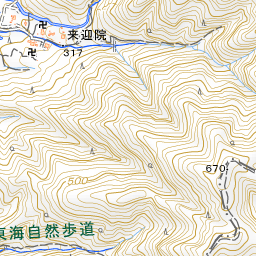
Spot location © OpenStreetMap contributors (ODbL)
Open in Google MapsGuides that include this spot (1)
Use asobot while you walk
- See where you are on the map and find spots nearby
- Listen to the guide's audio in course order, one after another (with subtitles)
- Walk to the next spot while following the map
Open on your phone
Scan to open this spot in asobot on your phone.