 ✨ AI Generated
Azabu-Juban
Japanese: 麻布十番
Minato City, Tokyo
This information was written by AI and may contain mistakes. Please check official sources for opening hours, fees, and other details before you go.
Found a mistake? Let us know with “✏️ Something's wrong” on this spot's screen in asobot →
🎧 Audio guide(1:05)
In short
Azabu-Juban is a shopping district town surrounding Azabu-Juban Station that has flourished since the Edo period. Known as a monzen-machi (temple town) around Zenpuku-ji Temple, it features both long-established shops and restaurants serving cuisine from around the world. With many embassies nearby, it is also a town with a rich international atmosphere.
- Azabu-Juban Shopping District: Over 300 shops line streets such as Azabu-Juban Odori and Patio-dori. Around 300,000 people gather over two days for the annual Noryo Matsuri (Summer Night Festival) held every August.
- Flavors of Long-Standing Shops: Renowned shops known nationwide are scattered throughout the area, including a taiyaki shop founded in 1909 and a bean confectionery shop founded in 1865.
- Statue of Kimi-chan: At Patio Juban stands the statue of Kimi-chan, said to be the girl from the nursery rhyme "Akai Kutsu" (Red Shoes). The plaque on the statue reads, "She rests in this town."
History and Highlights
Azabu-Juban is a town centered around Azabu-Juban Station in Minato Ward. From the station toward Roppongi stretches the Azabu-Juban Shopping District. Over 300 shops line several streets, including Azabu-Juban Odori and Patio-dori.
This area has flourished as a transportation hub since the Edo period. It is also known as the monzen-machi of Zenpuku-ji Temple. Zenpuku-ji Temple is said to have been founded in 824 by Kobo Daishi. In 1859, the first American legation was established at Zenpuku-ji Temple. Triggered by this event, the Azabu-Juban area developed into a district where embassies from various countries gathered.
The town name "Azabu-Juban" was established in 1962. There are several theories regarding the origin of "Juban" (Number 10). Prominent theories suggest that it comes from river modification work on the Furukawa River during the Edo period, being "the 10th soil disposal site" or "the 10th construction area," but the exact origin remains unclear.
Throughout the shopping district, long-established shops are located here and there. At the same time, restaurants serving world cuisine—such as Italian, French, and Asian/ethnic dishes—also line the streets. With many foreign residents living in the surrounding area, an international atmosphere is another feature of this town. Modern high-rise buildings tower behind the streetscapes, which still retain the atmosphere of the traditional shitamachi (old downtown).
Highlights for Viewing and Experiencing
- Long-Standing Shops: Nationwide renowned shops are dotted around, including Naniwaya Sohonten, a taiyaki shop founded in 1909; Tanuki Senbei, founded in 1928; and Mamegen, a bean confectionery shop founded in 1865.
- Statue of Kimi-chan: At Patio Juban stands the statue of Kimi-chan, said to be the girl from the nursery rhyme "Akai Kutsu." The plaque reads, "The girl who wore the red shoes now rests in this town." According to the inscription, Kimi-chan was unable to board the ship to a foreign land and ended her short life of nine years. The statue was completed in 1989.
- Azabu-Juban Noryo Matsuri: This is a homemade local summer festival organized by the shopping district for over 50 years. Held every August, it attracts around 300,000 visitors over two days.
Tips for Exploring
The shopping district is a 1-minute walk from Azabu-Juban Station on the Toei Oedo Line and Tokyo Metro Namboku Line. Passing through the shopping street of Patio-dori brings you to Zenpuku-ji Temple. Within the grounds of Zenpuku-ji Temple are the "Upside-down Ginkgo," a national natural monument, and a monument dedicated to Townsend Harris, the first American Minister to Japan. Patio Juban, where the Statue of Kimi-chan stands, is at the foot of Daikokuzaka slope. It is also possible to walk approximately 760 meters northeast to Azabudai Hills and approximately 940 meters east-northeast to Tokyo Tower.
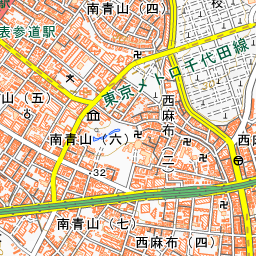
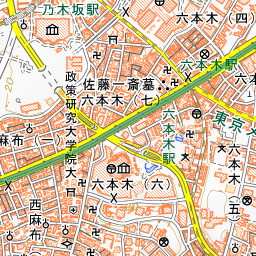
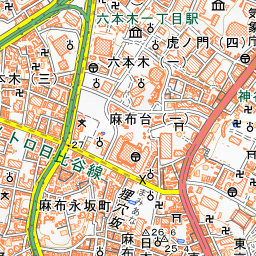
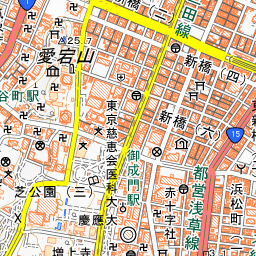

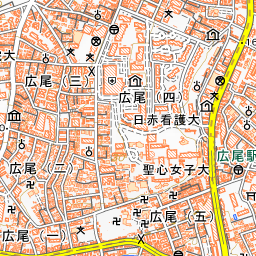
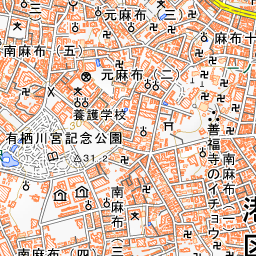
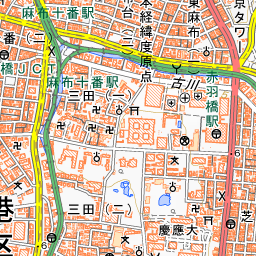
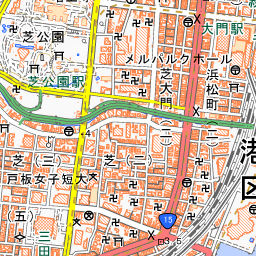
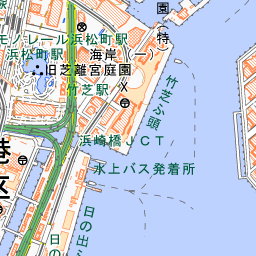
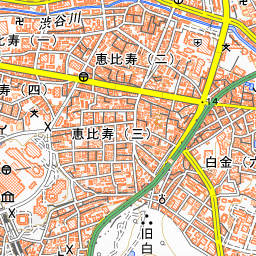

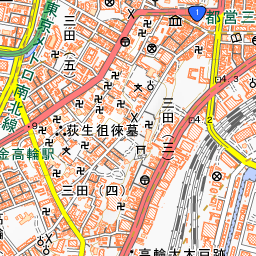

Spot location © OpenStreetMap contributors (ODbL)
Open in Google MapsUse asobot while you walk
- See where you are on the map and find spots nearby
- Listen to the guide's audio in course order, one after another (with subtitles)
- Walk to the next spot while following the map
Open on your phone
Scan to open this spot in asobot on your phone.