 ✨ AI Generated
Shisendo Jozan-ji Temple
Japanese: 詩仙堂丈山寺
Sakyo Ward, Kyoto
This information was written by AI and may contain mistakes. Please check official sources for opening hours, fees, and other details before you go.
Found a mistake? Let us know with “✏️ Something's wrong” on this spot's screen in asobot →
🎧 Audio guide(1:02)
In short
Shisendo Jozan-ji Temple is the former site of a mountain villa built as a retirement hermitage by Ishikawa Jozan, an early Edo period literatus, and it is now a branch temple of Eihei-ji Temple, a head temple of the Soto Zen sect. Jozan built this mountain villa in 1641 at the age of 59, and it is said that he devoted himself to Chinese poetry, calligraphy, and garden design here for about 30 years until his death at the age of 90. It is a national historic site.
- The Room of the Poets and the Thirty-Six Immortals of Poetry: Portraits of 36 Chinese poets painted by Kano Tan'yu and poems written by Jozan hang on the four walls, and they became the origin of the name Shisendo
- Chinese-Style Garden and Seasonal Flowers: A Chinese-style garden with a stream flowing through white sand, where visitors can enjoy Kirishima azaleas and irises in spring, spotted bellflowers in summer, and changing leaves in autumn
- Shishi-odoshi and Shogetsuro: The sound of a shishi-odoshi, which Jozan is said to have devised, resonates through the garden, and above the Buddhist hall stands a watchtower pavilion called Shogetsuro
History and Highlights
Shisendo Jozan-ji Temple is the former site of a mountain villa built as a retirement hermitage by Ishikawa Jozan, an early Edo period literatus. In 1966, its name was changed to Shisendo Jozan-ji Temple, and it is now a branch temple of Eihei-ji Temple, a head temple of the Soto Zen sect. The principal image is Merofu Kannon.
Jozan was born in Mikawa Province in 1583. He served Tokugawa Ieyasu and took part in the Battle of Sekigahara. Retiring from life as a warrior after the Siege of Osaka (Summer Campaign) in 1615, he studied Neo-Confucianism under scholars such as Fujiwara Seika. After serving the Asano clan and living in Hiroshima, he returned to Kyoto and built this mountain villa in 1641 at the age of 59. It is said that he devoted himself to Chinese poetry, calligraphy, and garden design here for about 30 years until his death at the age of 90.
The proper name of Shisendo Temple is "Ototsuka," meaning a dwelling built on uneven ground. On the four walls of the central "Room of the Poets" (Shisen-no-ma), portraits of 36 Chinese poets from the Han, Jin, Tang, and Song dynasties painted by Kano Tan'yu are displayed alongside poems inscribed by Jozan in clerical script, which became the origin of the name Shisendo. Shisendo Temple was designated a national historic site in 1928.
Viewing and Experience Highlights
- The Room of the Poets and the Thirty-Six Immortals of Poetry: Following the model of Japan's Thirty-Six Immortals of Poetry, Jozan selected the poets through vigorous discussions with Hayashi Razan. It is said that the plaques were hung so that poets with similar careers or personalities faced one another. It is also told that when Razan sought to include Wang Anshi, Jozan firmly insisted that "poetry should be valued over the person," and Wang Anshi was excluded.
- Chinese-Style Garden and Seasonal Flowers: Beyond the building lies a Chinese-style garden with a stream flowing through white sand, where visitors can stroll. In front, there are clipped azalea bushes, and seasonal flowers bloom throughout the year—Kirishima azaleas and irises in spring, followed by spotted bellflowers and Japanese meadowsweet in summer—while autumn brings the tasteful beauty of changing leaves.
- Shishi-odoshi and Shogetsuro: In the quiet garden, the sound of a shishi-odoshi (water-driven bamboo clapper), which Jozan is said to have devised, resonates. Above the Buddhist hall stands a watchtower pavilion called Shogetsuro.
Walking Tips
Passing through "Shoyudo," the small entrance gate, leads to stone steps bathed in dappled sunlight. At the top of the steps, passing through the "Robaikan" inner gate brings you to the Shisendo Temple building. Sit down on the veranda, gaze at the garden, and let your thoughts wander back to the time when Jozan lived here. It can be reached on foot from the "Ichijoji Sagarimatsu-cho" city bus stop. Manshu-in Temple is also located in the same Ichijoji area.
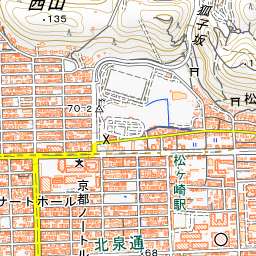
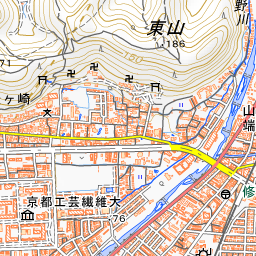

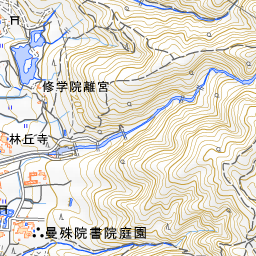
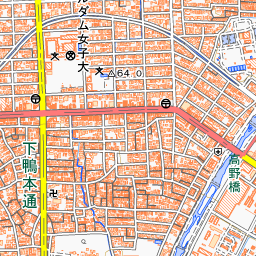
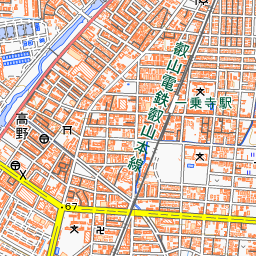
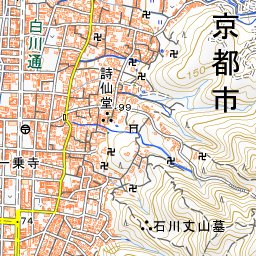
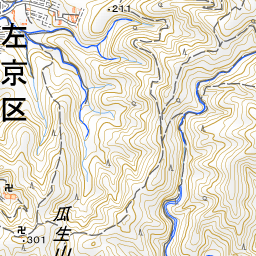
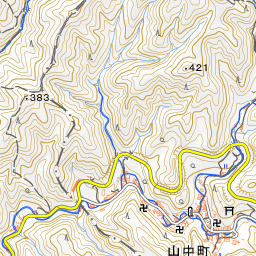
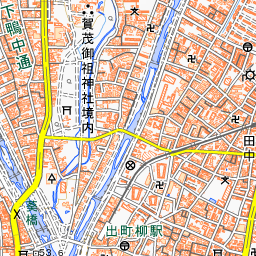
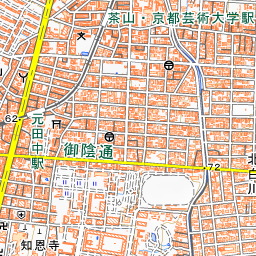
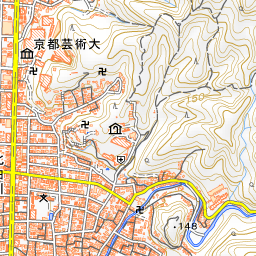
Spot location © OpenStreetMap contributors (ODbL)
Open in Google MapsGuides that include this spot (1)
Use asobot while you walk
- See where you are on the map and find spots nearby
- Listen to the guide's audio in course order, one after another (with subtitles)
- Walk to the next spot while following the map
Open on your phone
Scan to open this spot in asobot on your phone.