
Pontocho-dori Street
Japanese: 先斗町通
Nakagyo Ward, Kyoto
This information was written by AI and may contain mistakes. Please check official sources for opening hours, fees, and other details before you go.
Found a mistake? Let us know with “✏️ Something's wrong” on this spot's screen in asobot →
🎧 Audio guide(1:06)
In short
A narrow, long street stretching about 500 meters along the Kamo River, from one street south of Sanjo-dori to Shijo-dori. It is the street of Pontocho, one of Kyoto's five geiko districts. Even during the great fire of the Kinmon Incident in 1864, Edo-period buildings here survived, and the Edo-period land division and alley layout continue to be preserved today.
- Teahouse Streetscape and Stone Paving: Buildings of teahouses (ochaya) featuring delicate wooden lattices and inuyarai (curved bamboo base guards) create the geiko streetscape, and the alleys and the street are paved with stone. The red lanterns hanging under the eaves are adorned with a white plover, the symbol of Pontocho
- Pontocho Kaburenjo Theater: A theater completed in 1927. Every year from May 1 to May 24, the "Kamogawa Odori" dance performance is staged by geiko and maiko
- Kamo River Noryo-yuka (Summer Dining Platforms): From May 1 to October 15, restaurants and other establishments set up elevated wooden platforms over the Misosogi River running alongside the Kamo River, and visitors can enjoy meals while cooling off in the river breeze
History and Highlights
Pontocho-dori Street is a narrow, long street stretching approximately 500 meters from north to south along the Kamo River, from one street south of Sanjo-dori to Shijo-dori. It is the street of Pontocho, one of Kyoto's five geiko districts (gokagai). Originally a sandbar in the Kamo River, it is said to have begun developing as a townscape after being reclaimed during riverbank protection work on the Kamo River in 1670 (Kanbun 10). Around 1712 (Shotoku 2), inns serving boatmen and passengers of Takasebune flatboats began employing women to serve tea, and the area developed into a thriving entertainment district. Several theories are handed down regarding the origin of the name, such as the theory that it comes from the Portuguese word ponta (meaning point or tip), or that it comes from the "pon" sound made by a hand drum sandwiched between two "rivers" (kawa / kawa—a play on words with drum leather)—the Kamo River and the Takase River.
Even during the great fire of the Kinmon Incident in 1864 (Genji 1), Edo-period buildings in this area survived. The street was not widened, and the Edo-period land division and alley layout continue to be preserved today. Buildings of teahouses (ochaya) featuring delicate wooden lattices and inuyarai (curved bamboo base guards) create the traditional geiko streetscape, and in 2015 (Heisei 27), the area was designated a Kyoto City Historical Landscape Improvement District.
Highlights & Experiences
- Alleys and Stone Paving: On the west side of the street, many buildings contain alleys that lead to inner structures, and these alleys are paved with stone. The main street was also paved with flagstones in 1990 (Heisei 2). The red lanterns hanging under the eaves are adorned with a white plover, the symbol of Pontocho.
- Pontocho Kaburenjo Theater: A theater standing just south of Sanjo-dori, completed in 1927 (Showa 2). It was designed by Kimura Tokusaburo, an Obayashi Corporation engineer known as a master of theater architecture. On the roof, an onigawara (ogre tile) shaped like the Bugaku dance mask of the Chinese Prince of Lanling is installed as the guardian deity of the town. Every year from May 1 to May 24, the "Kamogawa Odori" dance performance is staged by geiko and maiko.
- Kamo River Noryo-yuka (Summer Dining Platforms): Restaurants and other establishments set up elevated wooden platforms over the Misosogi River running alongside the Kamo River. From May 1 to October 15, visitors can enjoy meals while cooling off in the river breeze.
Walking Tips
From Keihan Sanjo Station, it is about a 5-minute walk to the Kaburenjo theater. Pontocho-dori Street is a narrow pedestrian street where no cars pass. Please stroll at a leisurely pace while being mindful of people passing by. Sanjo Ohashi Bridge is about 350 meters to the north, and Takoyakushi-do Eifuku-ji Temple is about 350 meters to the west.

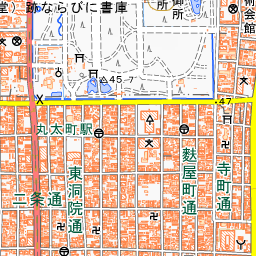


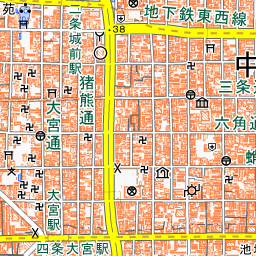

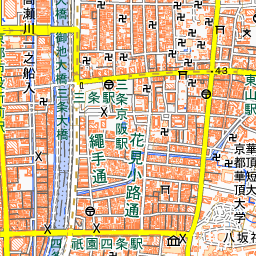


Spot location © OpenStreetMap contributors (ODbL)
Open in Google MapsGuides that include this spot (2)
Use asobot while you walk
- See where you are on the map and find spots nearby
- Listen to the guide's audio in course order, one after another (with subtitles)
- Walk to the next spot while following the map
Open on your phone
Scan to open this spot in asobot on your phone.