 ✨ AI Generated
Saga Toriimoto
Japanese: 嵯峨鳥居本
Ukyo Ward, Kyoto
This information was written by AI and may contain mistakes. Please check official sources for opening hours, fees, and other details before you go.
Found a mistake? Let us know with “✏️ Something's wrong” on this spot's screen in asobot →
🎧 Audio guide(1:02)
In short
Saga Toriimoto is a townscape that stretches along the Atago Kaido, an ancient pilgrimage route in Okusaga leading to Atago-jinja Shrine. It was established as a settlement toward the end of the Muromachi period, and around the middle of the Edo period, it also took on the role of a temple town (monzen-machi) for the "Atago-mairi" pilgrimage. In 1979 (Showa 54), it was selected as a national Important Preservation District for Groups of Traditional Buildings.
- Machiya and Thatched-Roof Farmhouses: Machiya townhouses and farmhouses with slatted lattice windows, plaster walls, and either tiled or thatched roofs stand along the same street
- Saga Toriimoto Machinami Preservation Hall: A Kyoto City facility in a restored machiya originally built in the early Meiji period, with a large cooking stove (kamado), an indoor well, and a diorama depicting the surrounding area around 1930
- Atago Furumichi Kaido Tomoshi: Every August, about 800 large and small lanterns (andon) illuminate the street
History and Highlights
Saga Toriimoto is a preserved townscape that stretches along the Atago Kaido, an ancient pilgrimage route in Okusaga leading to Atago-jinja Shrine. Located in the northwestern part of Sagano, this area was established toward the end of the Muromachi period as a settlement engaged in agriculture, forestry, and fishing. Around the middle of the Edo period, it also developed into a bustling temple town (monzen-machi) for worshippers making the "Atago-mairi" pilgrimage to Atago-jinja Shrine. From the end of the Edo period through the Meiji and Taisho eras, teahouses joined farmhouses and traditional townhouses (machiya) lining the highway.
"Toriimoto" means "at the base of the torii," named after the vermilion Ichi-no-Torii (First Torii Gate) of Atago-jinja Shrine standing at the edge of the town's street. In 1979 (Showa 54), an area of about 2.6 hectares was designated by the national government as an Important Preservation District for Groups of Traditional Buildings under the name "Kyoto City Saga Toriimoto Preservation District for Groups of Traditional Buildings." It is one of four such preservation districts in Kyoto City.
Sights and Experiences
- Machiya and Thatched-Roof Farmhouses: A defining feature of this streetscape is the coexistence of machiya townhouses and farmhouses along the same street, featuring slatted lattice windows, plaster walls, and either tiled or thatched roofs. While some buildings still serve as private residences today, others operate as cafes, teahouses, antique shops, and souvenir stores.
- Saga Toriimoto Machinami Preservation Hall: This Kyoto City facility opened in 1993 (Heisei 5) inside a restored machiya originally built in the early Meiji period. Highlights include fine latticework on the ground floor, white plaster walls and mushikomado (narrow earthen lattice windows) on the second floor, and a large roof vent (kemuridashi) above the tiled roof. Inside, visitors can see a large cooking stove (kamado) and an indoor well. A large diorama depicting the surrounding area around 1930 is also on display.
- The Toriigata Bonfire and Highway Lanterns: From Mandara-bashi Bridge, visitors can look toward Mandarayama, the mountain where the "Toriigata" (torii-shaped) bonfire is lit as one of the Five Mountain Bonfires (Gozan no Okuribi). Every August, the "Atago Furumichi Kaido Tomoshi" event takes place—originally started to welcome visitors to the Sento Kuyo Memorial Service at Adashino Nenbutsu-ji Temple—illuminating the street with about 800 large and small lanterns (andon).
Walking Tips
A leisurely 30-minute walk from the bustling heart of Arashiyama, including Togetsukyo Bridge and Tenryu-ji Temple, leads to this serene townscape nestled at the foot of Mt. Atago. Ancient temples such as Adashino Nenbutsu-ji Temple and Gio-ji Temple are located along the route, with Adashino Nenbutsu-ji Temple about 210 meters to the west and Gio-ji Temple about 320 meters to the south. Further into the hills lies Otagi Nenbutsu-ji Temple, renowned for its 1,200 Rakan statues. As the preservation district is also a residential neighborhood where locals live, please be mindful and walk quietly.
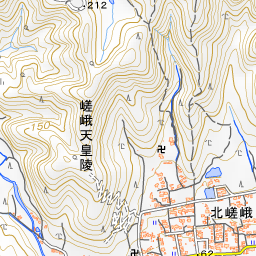
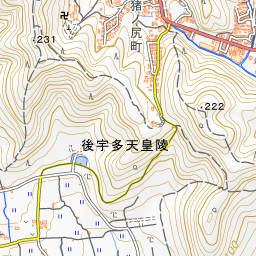
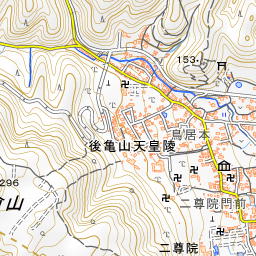
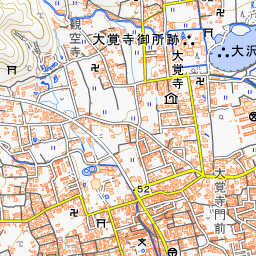
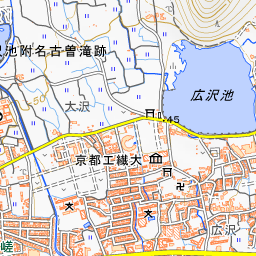
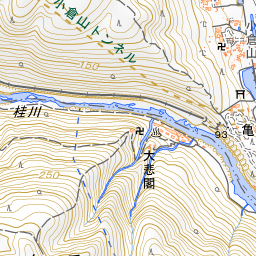
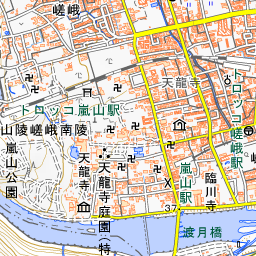
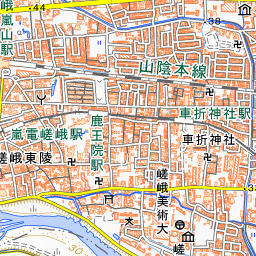
Spot location © OpenStreetMap contributors (ODbL)
Open in Google MapsGuides that include this spot (1)
Use asobot while you walk
- See where you are on the map and find spots nearby
- Listen to the guide's audio in course order, one after another (with subtitles)
- Walk to the next spot while following the map
Open on your phone
Scan to open this spot in asobot on your phone.