 ✨ AI Generated
Kame-ishi Stone
Japanese: 亀石
Asuka Village, Nara
This information was written by AI and may contain mistakes. Please check official sources for opening hours, fees, and other details before you go.
Found a mistake? Let us know with “✏️ Something's wrong” on this spot's screen in asobot →
🎧 Audio guide(0:58)
In short
Kame-ishi Stone is a granite stone monument with an estimated weight of 40 tons, located in the rice fields of the Kawara district in Asuka Village. It is called by this name because of its crouching turtle-like appearance and the legends passed down about it. It is one of the mysterious stones dotted around the village. It is not clear when or for what purpose it was made.
- Turtle-like Features: It is said that it was named for facial features that resemble a turtle. Another theory suggests it represents a frog rather than a turtle.
- Legend of its Orientation: Currently facing southwest, it is told that if it ever turns to face west, the Yamato Basin will sink.
- Mysterious Purpose: Various theories exist, such as a marker indicating the territory of Kawara-dera Temple or a boundary stone for the village.
History & Highlights
Kame-ishi Stone is a stone monument crafted from a massive piece of granite with an estimated weight of 40 tons, retaining its natural rock surface. It sits in the rice fields of the Kawara district. It is called Kame-ishi Stone due to its shape resembling a crouching turtle and the legends associated with it. It is also said to have acquired its name because its face looks like that of a turtle.
It is not certain when or for what purpose it was created. Theories are diverse, suggesting it was a stone to protect Tachibana-dera Temple, a stone showing the boundary of Kawara-dera Temple, or a stone marking a village boundary. Another theory suggests that it connects this world to the afterlife. Another theory holds that, together with Saru-ishi Stone, it is a relic related to ancient burial mounds.
Legends have also been handed down. Long ago, when this area was still a lake, a dispute broke out between two communities across the lake over its water. After the water was taken by Taima on the opposite shore, many turtles died. It is said that Kame-ishi Stone was made to commemorate those turtles.
Kame-ishi Stone currently faces southwest. It is also said that when this stone turns toward Taima to the west, the Yamato Basin will turn into a lake.
In addition to Kame-ishi Stone, Asuka has around 20 stone monuments, including Sakafune-ishi Stone and Saru-ishi Stone. Who made them and for what purpose remains shrouded in mystery.
Viewing & Experiencing Highlights
- Turtle-like Features: Take a close look at the parts said to resemble a turtle's face. Since there is also a theory that it is a frog rather than a turtle, it is fun to see and judge for yourself.
- Natural Rock Surface: The enormous granite was used while leaving its natural rock texture intact. Try to imagine its estimated weight of 40 tons as you trace the contours of the stone.
- The Direction It Faces: Kame-ishi Stone faces southwest. Try confirming on-site the difference between this and the westward direction mentioned in the legend.
Touring Tips
Nearby are Kawara-dera Temple Site about 580 meters to the east, Tachibana-dera Temple about 600 meters to the east-southeast, Mausoleum of Emperor Tenmu and Empress Jito about 440 meters to the southwest, and Oni-no-Setchin about 660 meters to the west-southwest. On an approximately 5-kilometer route visiting the stone monuments, one travels from Asuka Station through Saru-ishi Stone and Oni-no-Setchin to reach here, then continues on to Tachibana-dera Temple and Ishibutai Kofun Burial Mound. It takes 3 hours on foot or by bicycle. A replica of Kame-ishi Stone is placed in the front garden of Asuka Historical Museum. Viewing it while pondering why it was created might also be an interesting experience.
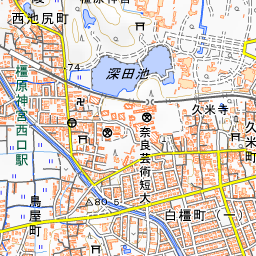
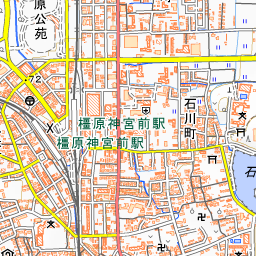
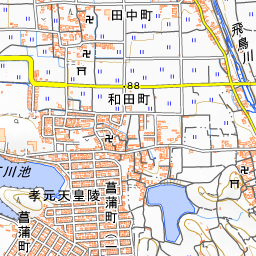
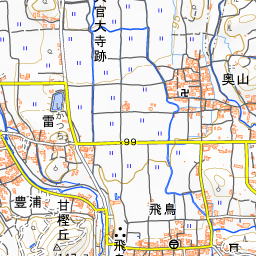
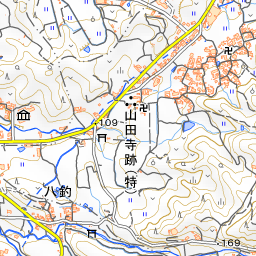
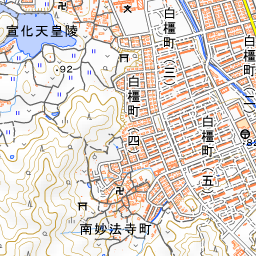
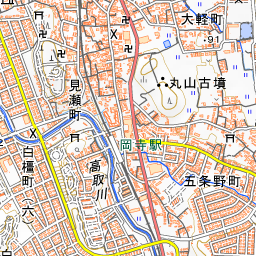
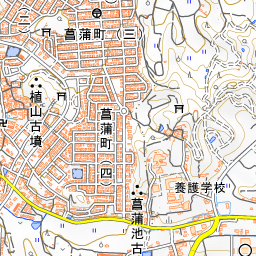

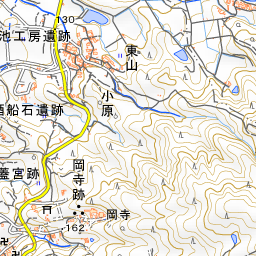
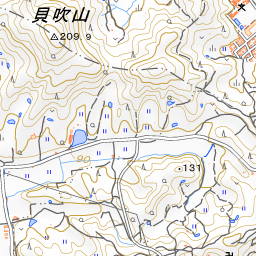
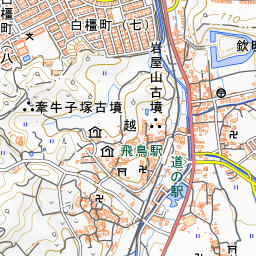
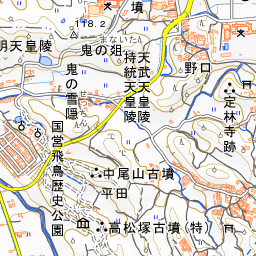
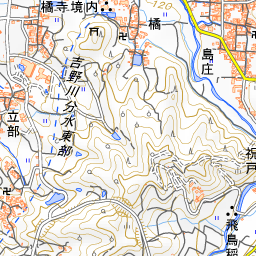
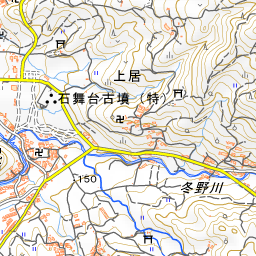
Spot location © OpenStreetMap contributors (ODbL)
Open in Google MapsGuides that include this spot (2)
- A First Bicycle Trip in Asuka: From Takamatsuzuka Kofun Burial Mound to Kame-ishi Stone, Tachibana-dera Temple, Ishibutai Kofun Burial Mound, and Asuka-dera Temple
- Stones and Temples of Asuka: From Shobuike Kofun Burial Mound to Mausoleum of Emperor Tenmu and Empress Jito, Kame-ishi Stone, Kawara-dera Temple, and Tachibana-dera Temple
Use asobot while you walk
- See where you are on the map and find spots nearby
- Listen to the guide's audio in course order, one after another (with subtitles)
- Walk to the next spot while following the map
Open on your phone
Scan to open this spot in asobot on your phone.